Life in Qatar for Expats: Safety, Lifestyle, and Housing Realities
Key Takeaways
- Qatar consistently ranks among the safest countries globally for residents and visitors
- Expat life is shaped by modern infrastructure, regulated residential districts, and strong public services
- Housing options range from luxury waterfront apartments to family-oriented suburban communities
- Daily life costs and lifestyle standards vary significantly by location and property type
- Understanding residential zones and leasing practices supports smoother relocation decisions
Introduction and Market Context
Qatar has positioned itself as a regional hub for international professionals, corporate relocations, and long-term residents. Over the past decade, large-scale infrastructure development and regulatory modernization reshaped both lifestyle expectations and the residential landscape. For expats at the awareness stage, questions often center on safety, quality of life, and how housing choices align with daily living needs rather than short-term perceptions of luxury.
Qatar’s real estate market reflects this evolution through master-planned cities, regulated freehold zones for international ownership, and expanding rental supply across Doha and its surrounding districts. Understanding how lifestyle and residential planning intersect helps expats evaluate where to live based on commute patterns, family needs, and access to services.
Safety and Public Security in Daily Life
Qatar maintains low crime rates supported by strong law enforcement, widespread surveillance coverage, and clear legal frameworks. Public spaces, transport networks, and residential districts are generally considered safe for individuals and families. This environment supports high levels of nighttime mobility and public activity across Doha.
Safety also extends into residential management practices, where gated communities, building access controls, and concierge services are common in higher-density developments. For expats searching for apartments near business districts in Doha or residential zones close to metro stations, security standards remain a central factor influencing location choice.
Lifestyle Structure and Living Standards
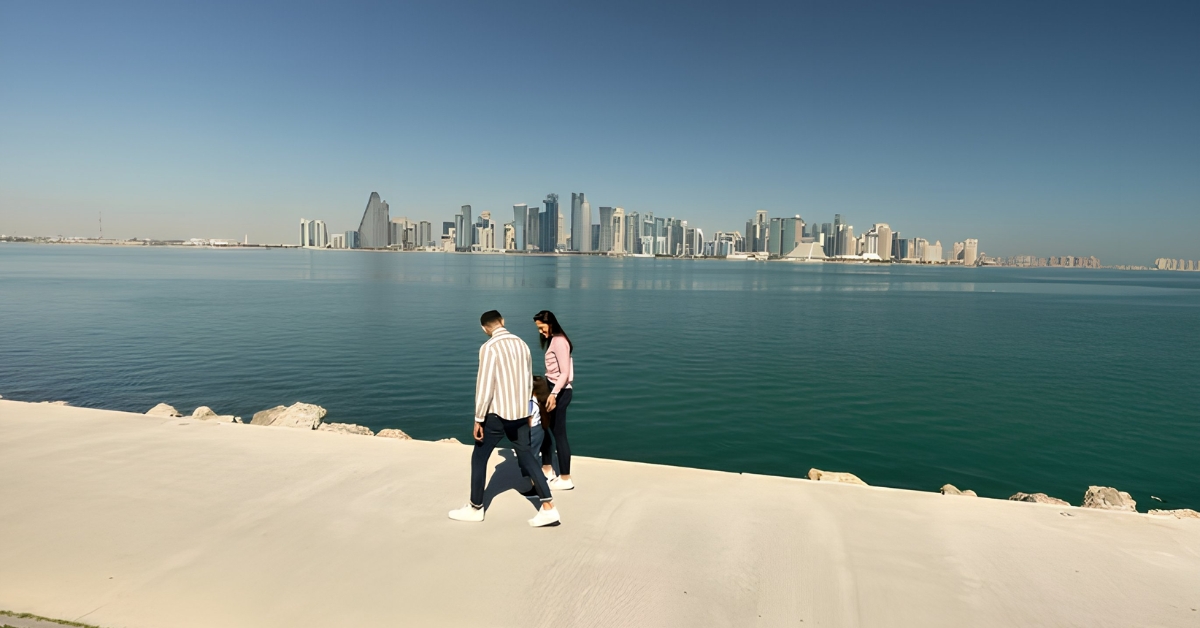
Daily life in Qatar combines urban convenience with controlled residential planning. Access to healthcare facilities, international schools, shopping districts, and leisure destinations shapes neighborhood selection. Lifestyle quality often depends more on district infrastructure than on individual property size.
Core lifestyle factors include:
- Proximity to workplaces and transport corridors
- Access to retail, dining, and healthcare facilities
- Community planning and pedestrian accessibility
- Availability of recreational spaces and waterfront areas
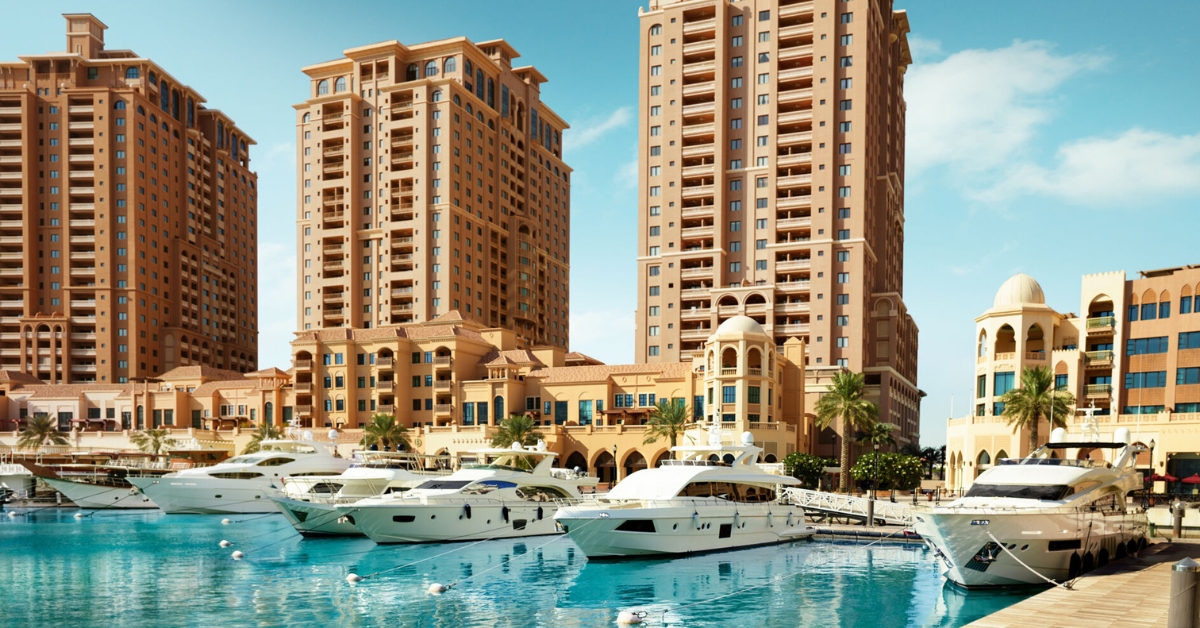
Areas such as West Bay, Lusail, and The Pearl support more internationally oriented lifestyles, while suburban districts provide quieter residential environments aligned with family living.
Housing Options Across Residential Districts
Qatar’s housing stock includes high-rise apartments, serviced residences, compounds, and standalone villas. Rental standards, maintenance quality, and building services vary by district and development age.
Key housing considerations for expats include:
- Lease structures and renewal practices
- Maintenance response and property management standards
- Parking availability and traffic accessibility
- Distance from offices, schools, and daily services
Expats evaluating properties for sale in Qatar benefit from understanding how district planning influences daily convenience rather than focusing solely on property aesthetics.
Cost of Living and Residential Budgeting

Housing costs represent the largest component of expat living expenses in Qatar. Rental pricing varies widely by location, building quality, and proximity to commercial centers. While luxury developments command premium rents, mid-range residential districts provide functional living standards without compromising access to essential services.
Budget planning should account for:
- Utilities and service charges
- Parking and transport costs
- School access for families
- Commute-related expenses
These factors shape long-term affordability more than headline rental prices.
What Expats Should Clarify Before Choosing a Location
At the awareness stage, the most common misjudgment is assuming that all high-end districts deliver the same lifestyle outcomes. In reality, daily convenience, traffic patterns, and service access differ notably across Doha.
Practical evaluation points include:
- Commute reliability during peak hours
- Walkability versus car dependency
- Building management quality
- Nearby healthcare and education access
These considerations often influence satisfaction more than property size alone.
How FGREALTY Supports Relocation Decisions
FGREALTY helps international residents navigate Qatar’s residential landscape with verified listings, area-level insights, and guidance aligned with daily living needs. Whether you are exploring apartments for sale in Lusail, waterfront residences in The Pearl, or family-oriented compounds, our advisory approach connects housing options with lifestyle priorities.
Contact FGREALTY agents to rent or buy a property in Qatar’s best locations.
FAQs
Q: Is Qatar safe for expats and families?
A: Yes. Qatar maintains low crime rates and strong public security measures across residential and commercial districts.
Q: Do expats need to live in luxury districts?
A: No. Many well-connected residential areas offer practical living standards without premium pricing.
Q: Are international schools and healthcare accessible?
A: Yes. Most major residential zones provide access to international schools and private healthcare facilities.
Q: How important is location when renting in Qatar?
A: Location directly affects commute times, daily convenience, and long-term living comfort.