What Makes Expats Stay Long Term in Qatar Instead of Relocating Elsewhere in the GCC
Key Takeaways
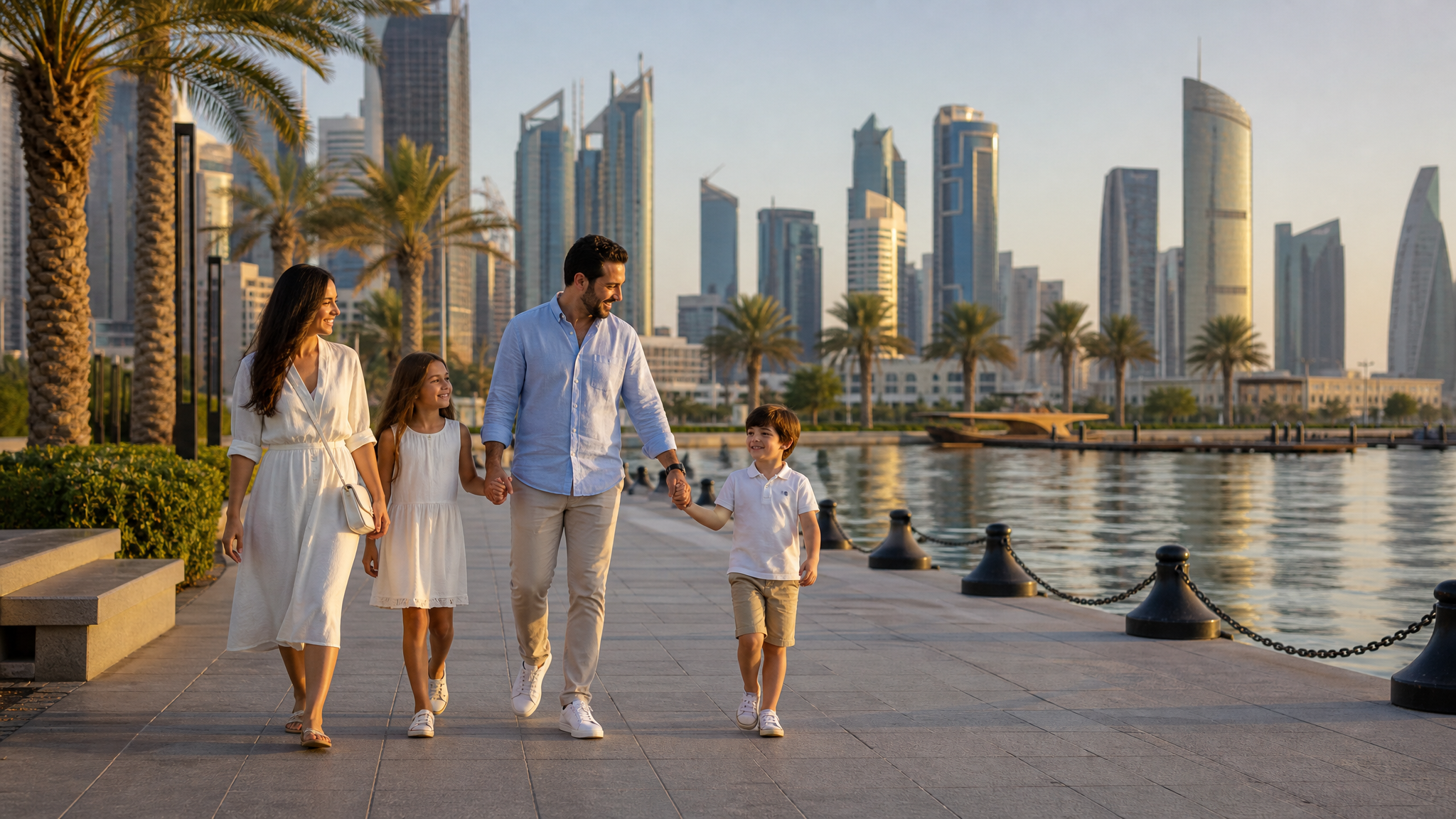
- Qatar continues attracting long-term expat residents through infrastructure stability and quality of life
- Safety rankings, regulated housing, and healthcare access remain major retention factors
- Long-term residency pathways and family-focused planning are influencing residential demand
- Areas such as The Pearl, Lusail, and West Bay continue attracting professionals and families
- Qatar’s transport systems, education sector, and economic stability support long-term relocation decisions
- Expats increasingly prioritize predictable living environments over short-term market hype
Introduction: Why Long-Term Retention Matters in Qatar’s Real Estate Market
Qatar’s property sector is increasingly focusing on long-term living rather than temporary relocation.
Expats are no longer asking only where to rent in Doha. They are asking whether Qatar offers long-term stability, family suitability, and lifestyle consistency compared to other GCC destinations. This shift matters for the real estate market because residents who stay longer contribute to sustained rental demand, stronger community development, and more stable occupancy across residential districts.
Qatar continues to strengthen its position through infrastructure investment, transport expansion, economic resilience, and quality of life initiatives aligned with Qatar National Vision 2030.
Stability and Safety Continue Influencing Relocation Decisions
Qatar consistently ranks among the safest countries globally according to Numbeo Safety Index rankings and international reports.
For expat families and professionals, safety plays a major role in long-term relocation planning.
This impacts residential demand in areas offering:
- family-oriented communities
- regulated residential compounds
- modern building security systems
- pedestrian-friendly districts
Infrastructure Quality Shapes Daily Life
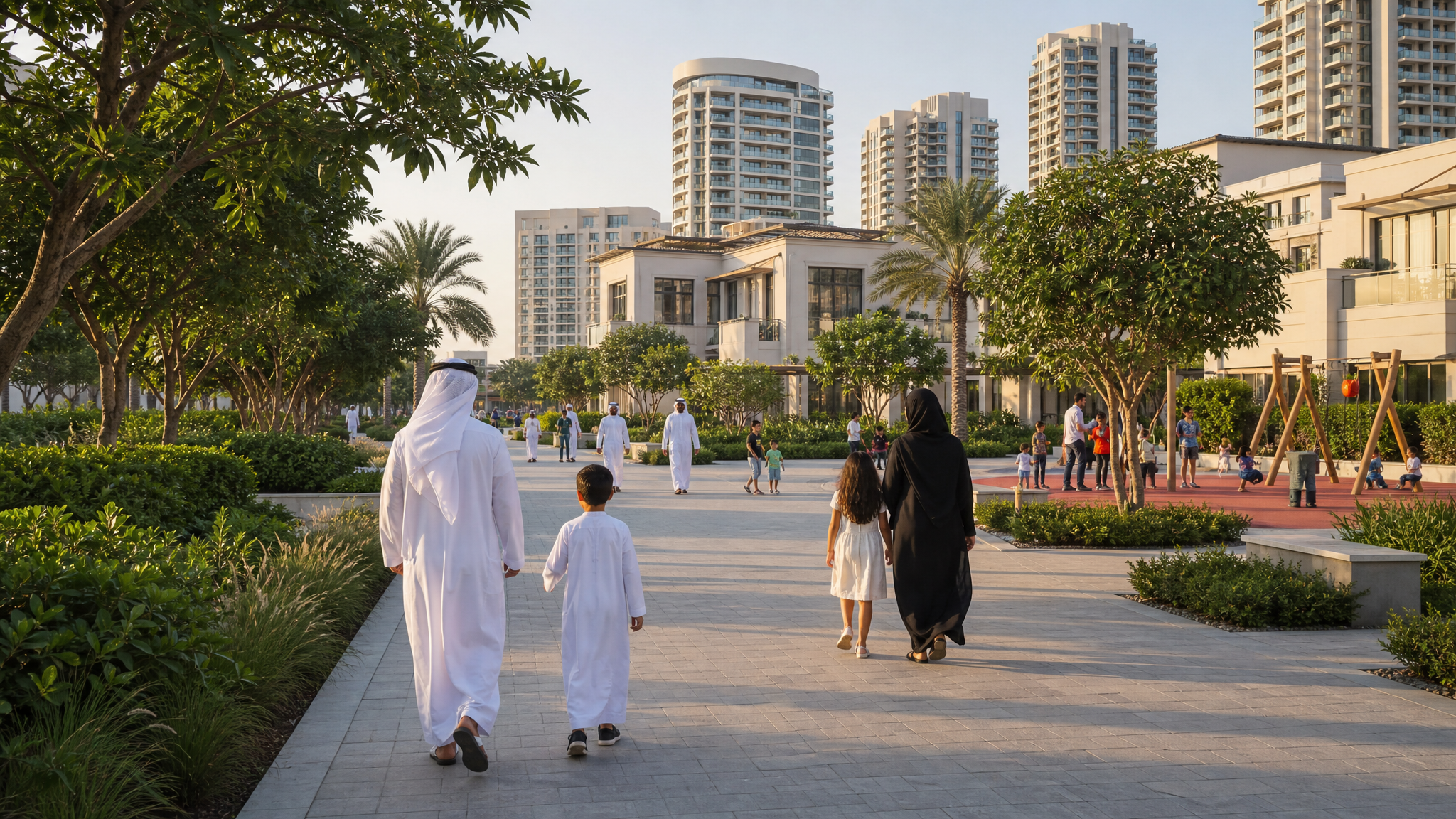
One reason many expats remain in Qatar long term is the quality of infrastructure relative to population scale. The Doha Metro, Lusail Tram, upgraded highway systems, and Hamad International Airport continue improving connectivity across the country.
This directly affects residential decisions in locations such as:
Qatar Rail and Ashghal infrastructure projects continue increasing accessibility between residential and commercial districts.
Education and Healthcare Support Long-Term Residency
Families relocating to Qatar often prioritize education and healthcare accessibility before selecting long-term housing. Qatar hosts multiple international schools following British, American, IB, and other international curricula.
Healthcare infrastructure has also expanded significantly through institutions such as Hamad Medical Corporation. This strengthens demand in residential areas located near:
- major schools
- healthcare facilities
- mixed-use family districts
Long Term Residency Policies Are Influencing Buyer Confidence
Qatar’s residency by investment framework has increased confidence among foreign buyers and long-term residents. Property ownership in designated freehold zones may qualify eligible investors and families for renewable residency benefits under current regulations.
This has supported interest in areas including:
- The Pearl
- Lusail
- West Bay Lagoon
Long-term residency pathways reduce uncertainty for expatriates planning extended stays in Qatar.
Cost Predictability Matters to Expats
While costs vary by district and property type, many residents view Qatar as offering greater predictability in daily living compared to highly volatile markets.
Key considerations include:
- no personal income tax
- regulated utility systems
- infrastructure reliability
- stable banking sector
- modern residential inventory
This has contributed to steady demand for professionally managed apartments and villas across Doha.
Lifestyle Convenience and Community Development
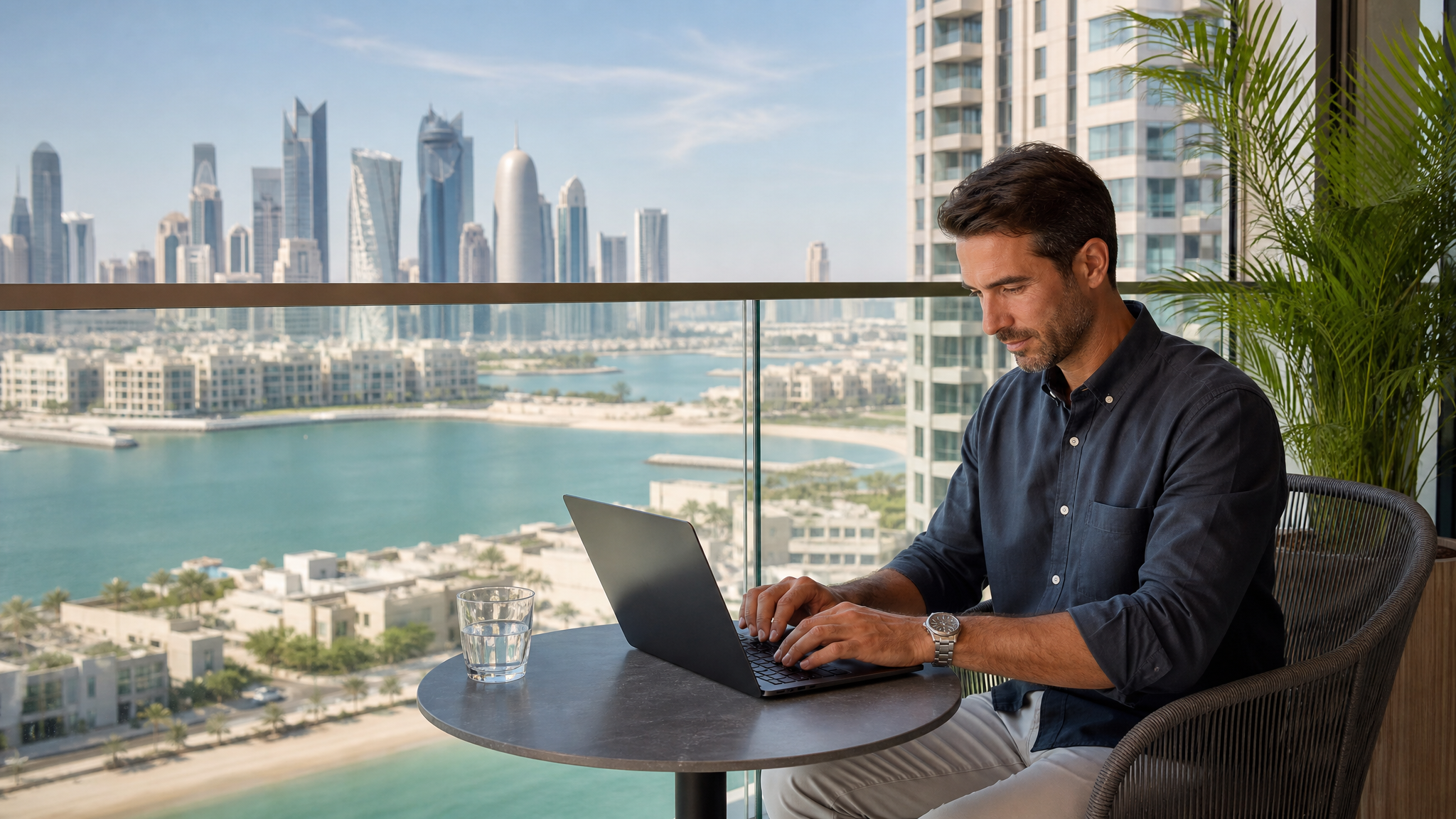
Modern developments increasingly combine residential, retail, leisure, and hospitality components within integrated communities. Areas such as The Pearl, Lusail Boulevard, and Msheireb Downtown Doha continue attracting residents seeking:
- walkability
- waterfront living
- retail convenience
- entertainment access
- modern building amenities
This shift reflects broader global urban living trends where convenience and accessibility influence long-term resident retention.
What This Means for Qatar’s Real Estate Market
Long-term expat retention creates stability within the residential market. Areas with strong infrastructure, transportation access, family amenities, and modern property management tend to maintain:
- stronger occupancy levels
- stable rental demand
- lower tenant turnover
- sustained long-term investment interest
How FGREALTY Supports Long-Term Residents in Qatar
FGREALTY helps expats identify residential options aligned with long-term living goals.
Whether you are exploring:
FGREALTY agents provide verified listings, area insights, and guidance tailored to professionals, families, and international investors planning long-term residency in Qatar.
FAQs
Q: Why do many expats stay long term in Qatar?
A: Safety, infrastructure quality, healthcare access, transportation systems, and economic stability remain major factors.
Q: Which areas are most popular among long-term expats?
A: The Pearl, Lusail, West Bay, Al Sadd, and family-oriented suburban districts remain highly popular.
Q: Does Qatar offer residency options linked to property ownership?
A: Yes. Eligible property investments in approved freehold zones may qualify buyers and families for residency benefits.
Q: Is Qatar family-friendly for expatriates?
A: Yes. International schools, healthcare facilities, and secure residential environments make Qatar attractive for families.