How Infrastructure and Transport Expansion Continue to Shape Qatar Real Estate
Key Takeaways
- Large-scale transport and infrastructure investment remains a core driver of property demand in Qatar
- Metro, tram, and highway connectivity increase residential absorption and investor confidence
- Mixed-use developments near transport corridors show stronger occupancy stability
- Airport and port expansions reinforce Qatar’s long-term economic positioning
- Infrastructure-led planning supports sustained real estate liquidity in key districts
Introduction and Market Context
Qatar’s real estate market is closely linked to the national infrastructure strategy. Over the past decade, government-backed investments in transport networks, utilities, and urban development have reshaped residential and commercial demand patterns. For international investors and residents, the most searched questions focus on where growth is supported by long-term infrastructure commitments rather than short-cycle speculation.
Transaction data from the Ministry of Justice Qatar continues to reflect activity concentrated in well-connected districts. Infrastructure expansion under Qatar National Vision 2030 reinforces planned urban growth, aligning property development with transport and logistics capacity.
For buyers and tenants evaluating apartments in Doha, villas in Lusail, or commercial property in West Bay, proximity to infrastructure is not a marketing claim. It is a measurable factor influencing accessibility, rental absorption, and long-term asset performance.
Metro and Urban Rail Influence on Residential Demand
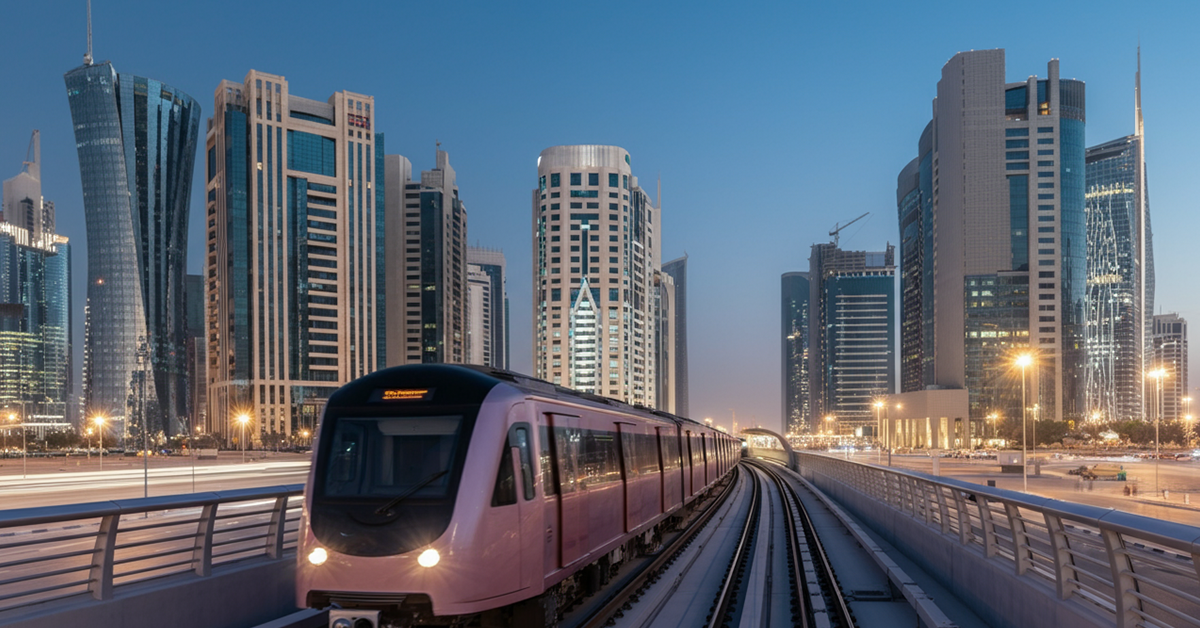
The launch of the Doha Metro by Qatar Rail marked a structural shift in commuting behavior. The Red, Green, and Gold lines connect key residential districts with business and retail centers. Lusail Tram further integrates planned communities with metro corridors.
Verified transport data confirms that metro-connected districts experience stronger footfall and more predictable commuting patterns. Residential clusters within walking distance of stations often show higher occupancy stability compared to car-dependent zones.
Road Network Expansion and Connectivity
Major highway projects delivered by the Ashghal have expanded arterial capacity across Doha and surrounding neighborhoods. Upgraded expressways connect residential zones with commercial centers and logistics hubs.
Improved road connectivity has enabled outward residential growth without isolating communities from employment districts. Areas once considered peripheral now maintain practical commute times due to structured highway access.
Airport and Logistics Infrastructure
Hamad International Airport has undergone phased expansion to increase passenger capacity and cargo handling capabilities. The airport’s strategic role strengthens Qatar’s position as a regional aviation hub.
Proximity to major logistics infrastructure supports demand for commercial real estate, warehousing, and short-term residential leasing. Business travelers, aviation sector employees, and multinational firms benefit from efficient airport access.
The parallel expansion of Hamad Port reinforces trade and logistics capabilities, indirectly supporting commercial property demand and industrial zone activity.
Mixed Use Planning and Urban Integration
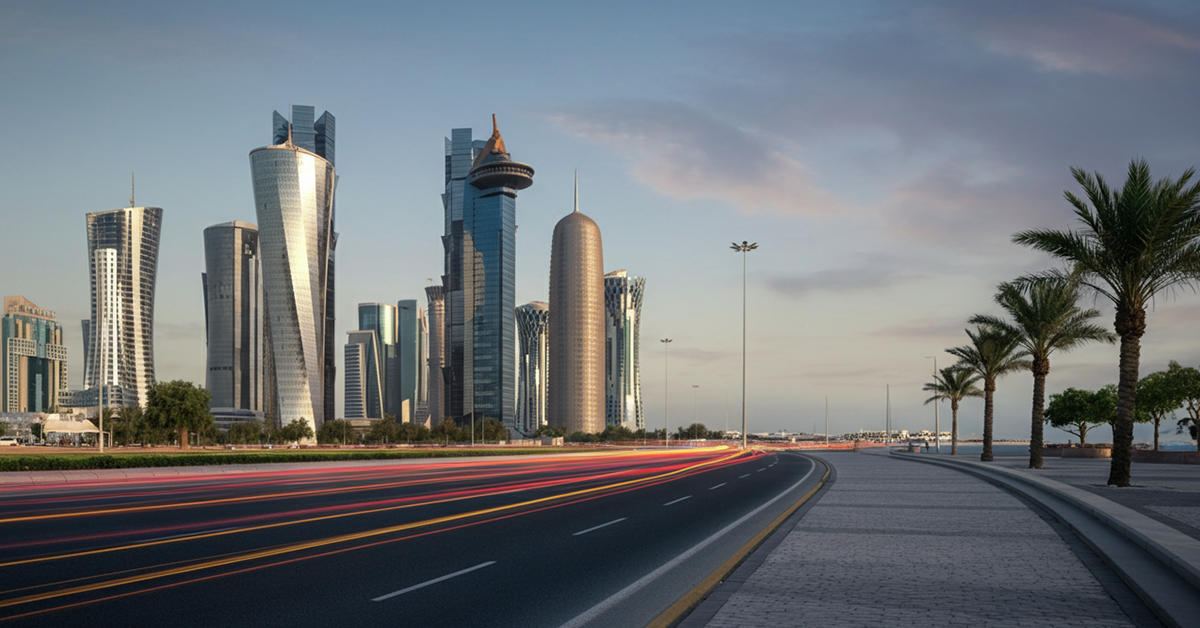
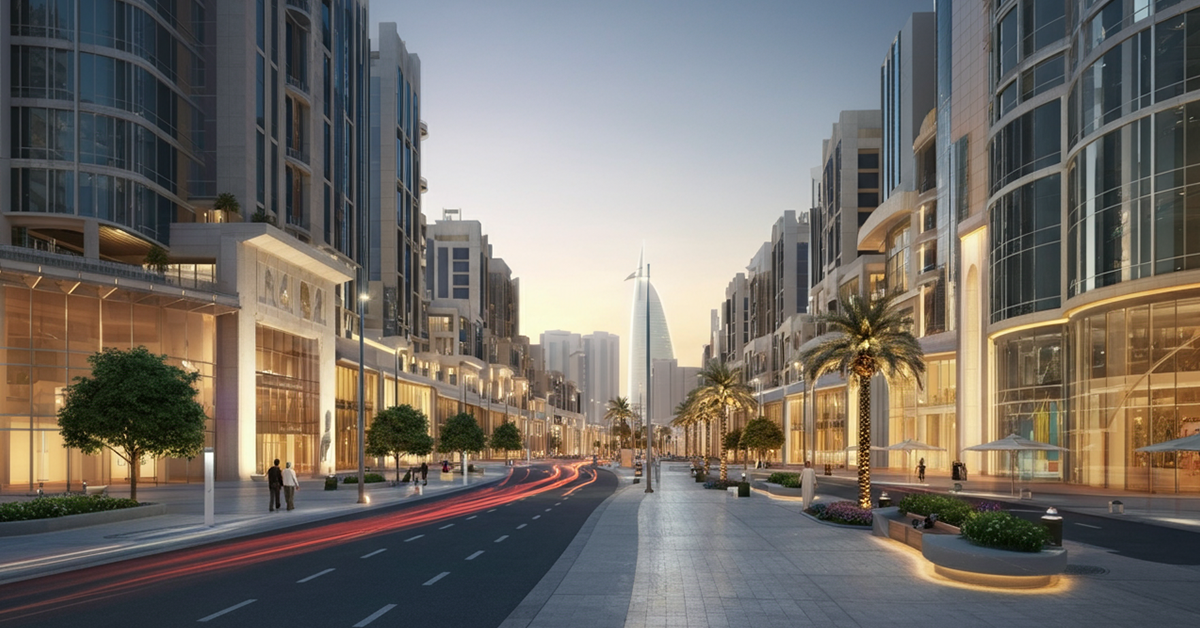
Infrastructure development in Qatar is coordinated with master planned communities. Lusail, Msheireb Downtown, and The Pearl were designed to integrate transport, retail, residential, and office components within walkable environments.
Mixed-use planning reduces dependency on long-distance commuting and enhances residential desirability. Many sources confirm that integrated urban design remains central to Qatar’s development framework.
For international residents searching best places to live near business districts in Doha, the combination of infrastructure access and internal amenities often outweighs purely price-driven decisions.
What Investors and Residents Should Consider
Investors should assess
- Distance to metro or tram stations
- Access to major highways
- Proximity to the airport and commercial hubs
- Alignment with national infrastructure plans
Renters should evaluate
- Daily commute reliability
- Public transport alternatives
- Accessibility to retail and services
Infrastructure does not eliminate market cycles, but it strengthens resilience in well-connected districts. You can also check out our guide to learn about different transport options in Qatar.
How FGREALTY Helps You Invest with Infrastructure in Mind
FGREALTY provides area-specific insights aligned with verified infrastructure data. Whether you are exploring apartments for sale in Doha, commercial property in West Bay, or investment opportunities in Lusail, our advisory approach incorporates transport access and long-term planning considerations.
FGREALTY agents ensure every listing aligns with current regulatory and infrastructure realities.
FAQs
Q: Does metro proximity increase property demand in Qatar?
A: Districts connected to the Doha Metro generally demonstrate stronger rental absorption due to improved commuting reliability.
Q: How does airport expansion influence real estate?
A: Airport growth supports commercial activity, short-term rentals, and logistics-driven demand.
Q: Are highway projects still impacting residential growth?
A: Yes. Expanded expressways enable residential development beyond central Doha while maintaining connectivity.
Q: Should infrastructure be a primary factor in property investment?
A: Infrastructure access supports long-term liquidity and tenant demand stability.