How the Expansion of Qatar’s Metro & Transit Network Will Influence Neighborhood Values
Key Takeaway
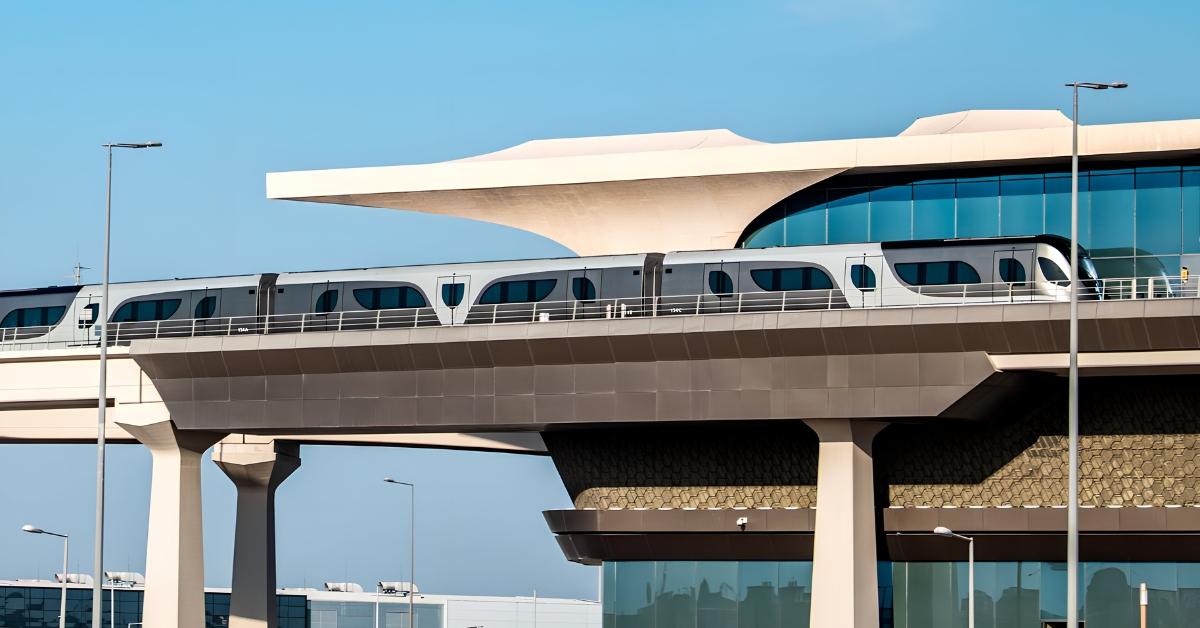
Qatar’s expanding metro and transit network is reshaping how residents and investors view property value. Areas with existing or upcoming metro connectivity—like Lusail, Msheireb Downtown, Al Sadd, and Al Wakrah—are seeing growing demand for both rentals and long-term investments. Improved accessibility not only enhances convenience but also attracts new commercial activity, schools, and retail hubs, driving property appreciation. For those looking to buy or rent, proximity to metro lines can be a defining factor for future growth and lifestyle quality.
Qatar’s Evolving Transit Landscape and Its Impact on Real Estate
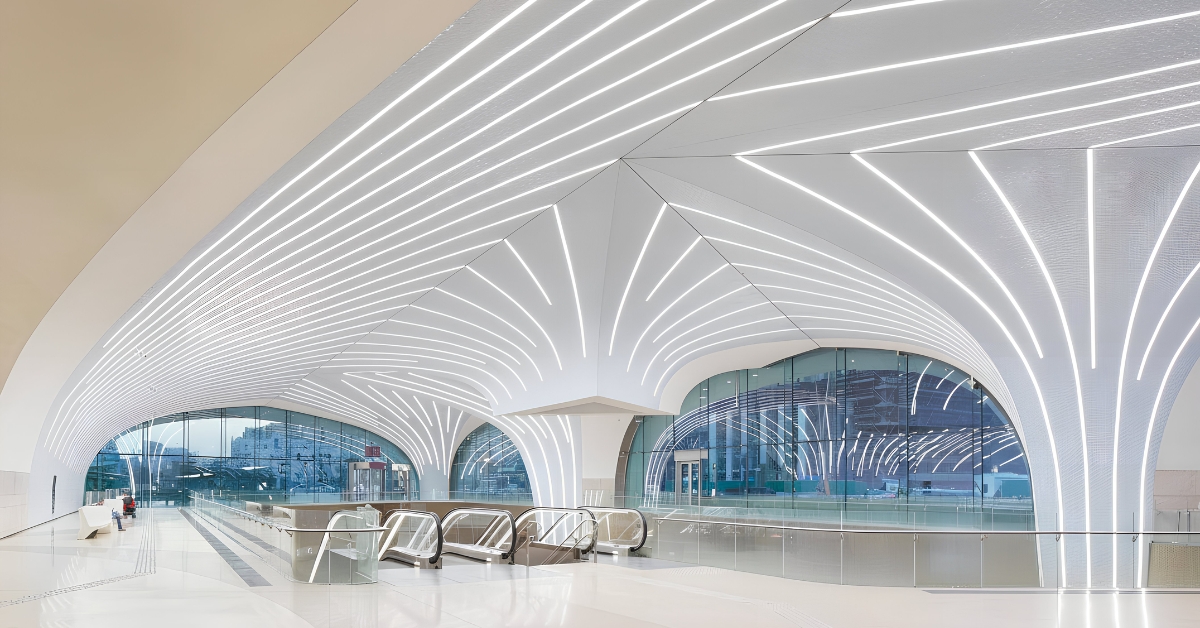
Qatar’s transport infrastructure has undergone rapid transformation in recent years, led by the expansion of the Doha Metro and wider public transit initiatives. This development is reshaping urban mobility and gradually redefining property for rent in Qatar across key neighborhoods. For residents, investors, and landlords, understanding how improved connectivity influences real estate prices is crucial for making informed decisions in a dynamic market.
The government’s ongoing investment in transport aligns with Qatar National Vision 2030, focusing on sustainable urban growth and accessibility. As new metro lines and feeder systems expand, once-overlooked communities are now gaining prominence—creating new opportunities for both tenants and property buyers.
Check some of the Qatari residential areas near metro stations and make your property search easy!
The Growing Impact of the Doha Metro
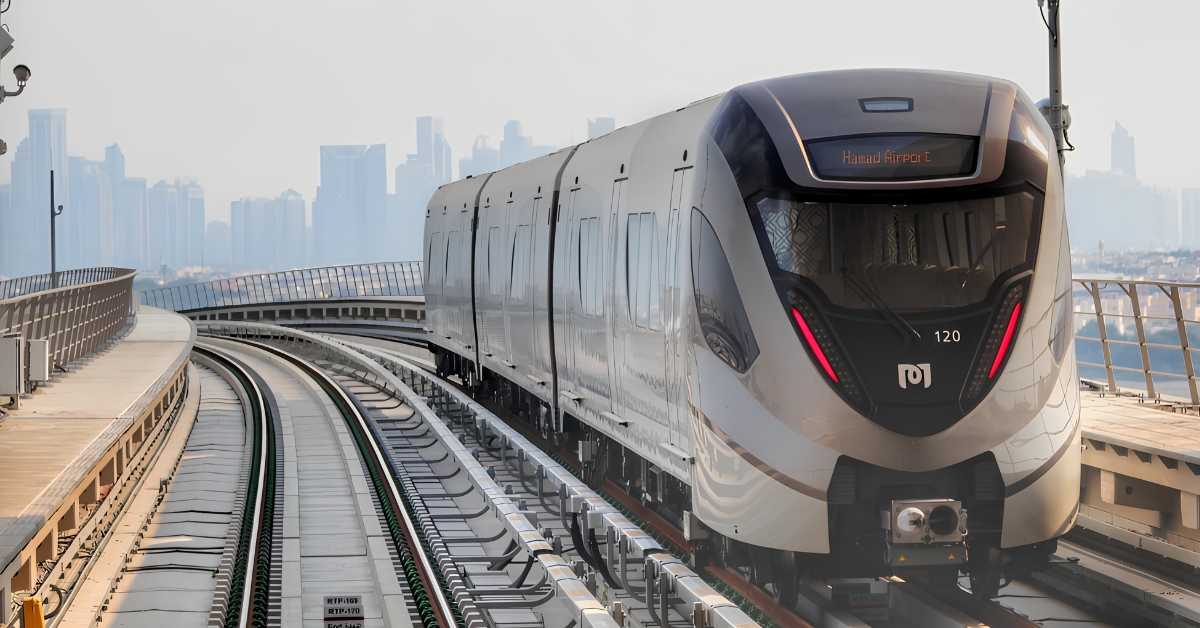
The Doha Metro currently connects major residential, commercial, and leisure zones across the capital. With three operational lines—Red, Gold, and Green—covering over 75 km, the network is designed to provide quick access to strategic hubs like West Bay, Msheireb Downtown, Education City, and Hamad International Airport.
Future expansions are expected to extend to areas such as Lusail City and The Pearl-Qatar, which already enjoy growing interest among both locals and expats moving to Qatar. The accessibility of these neighborhoods is a driving factor behind increasing demand for apartments for rent in Lusail and family villas in The Pearl-Qatar.
How Metro Connectivity Affects Property Values
Proximity to metro stations is now considered a key determinant of rental yield and long-term capital growth. Based on recent trends:
- Properties within walking distance (500–800 meters) of metro stations record higher occupancy rates.
- Tenants prefer locations offering direct access to business districts such as West Bay and Msheireb.
- Retail and hospitality developments near metro exits experience increased footfall and customer engagement.
These shifts suggest that areas well-served by transit lines will continue to outperform distant suburbs, particularly in terms of convenience and overall lifestyle value.
Neighborhoods Benefiting the Most
Several communities are emerging as transit-oriented hotspots:
Al Sadd
Offers balanced pricing, connectivity to the Green Line, and access to retail hubs.
Msheireb Downtown Doha
A model for sustainable, car-free living supported by underground transit links.
Lusail City
Future-ready with integrated light rail, making Lusail City one of the most desirable residential zones for professionals.
Al Wakrah
Enhanced accessibility has increased its appeal among families and businessmen looking for property options.
If you’re exploring properties for rent near Doha, these neighborhoods present excellent value and convenience.
Broader Economic and Social Effects
The continued growth of Qatar’s metro and transit network supports sustainable commuting patterns, reduces traffic congestion, and strengthens local economies. In the long term, improved accessibility encourages mixed-use developments that combine residential, commercial, and recreational spaces within a single community. Today, it’s the perfect opportunity to buy property in Qatar and get an amazing ROI.
This shift toward transit-oriented development is already influencing planning strategies in upcoming districts, leading to better urban efficiency and livability.
FGREALTY Can Help You Stay Ahead
At FGREALTY, we closely track Qatar’s real estate evolution—ensuring our clients have access to neighborhoods that combine modern convenience with long-term investment potential.
Whether you’re a tenant seeking apartments near metro stations in Doha or an investor looking to capitalize on future transit growth, our local agents provide market insights and exclusive listings tailored to your needs.
Contact FGREALTY today to explore premium residential and commercial properties positioned for growth in Qatar’s most connected areas.
FAQs
Q: How does the Doha Metro affect property prices?
A: Proximity to metro stations often boosts property demand and rental rates due to improved accessibility and convenience.
Q: Which neighborhoods in Doha benefit most from the metro expansion?
A: Lusail City, Msheireb Downtown, and Al Sadd are among the areas seeing consistent growth in property value.
Q: Is investing near metro stations in Qatar a good idea?
A: Yes. Transit-adjacent properties typically offer higher rental yields and long-term appreciation potential.
Q: What are the future metro expansion plans in Qatar?
A: Planned extensions include links to Lusail Stadium, Al Khor, and new suburban corridors to support the country’s urban expansion.