How Qatar’s Free Zones Are Attracting Businesses and Impacting Nearby Housing Demand
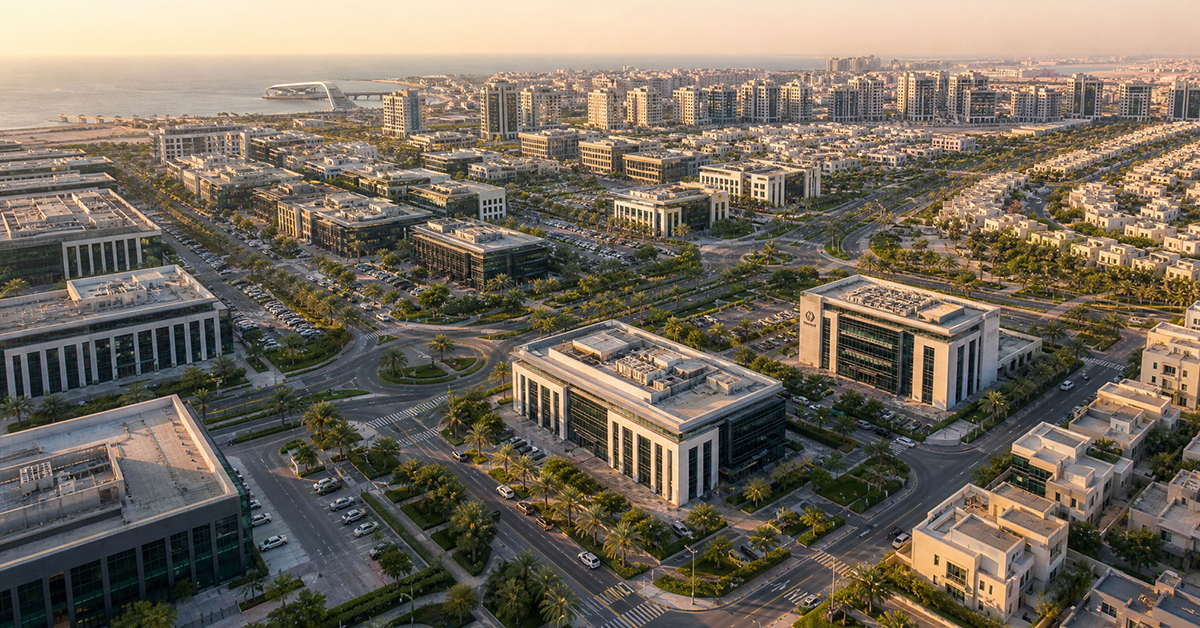
Key Takeaways
- Qatar’s free zones are driving foreign investment through tax incentives and full foreign ownership
- Qatar Free Zones Authority reports continued growth in international company registrations
- Strategic locations near Hamad International Airport and Hamad Port enhance logistics and business efficiency
- Business expansion is increasing residential demand in surrounding areas such as Lusail and Al Wakrah
- Research from the International Monetary Fund highlights Qatar’s diversification strategy as a key driver of economic stability
Introduction: Understanding Investor and Resident Search Intent
Investors and residents are actively looking for areas near business hubs, economic zones, and employment centers. In Qatar, free zones are no longer isolated industrial areas. They are integrated economic ecosystems that influence where people live, rent, and invest.
This connection between business activity and residential demand is shaping new real estate patterns across Doha and surrounding municipalities.
Qatar Real Estate Market Context
Qatar’s real estate market is closely tied to its economic diversification strategy. Under Qatar National Vision 2030, the country is reducing its reliance on hydrocarbons and expanding sectors such as logistics, technology, and manufacturing.
Plus, population growth and workforce expansion are directly linked to new economic zones and infrastructure projects.
This creates a consistent demand base for residential real estate.
What Are Qatar’s Free Zones and Why They Matter
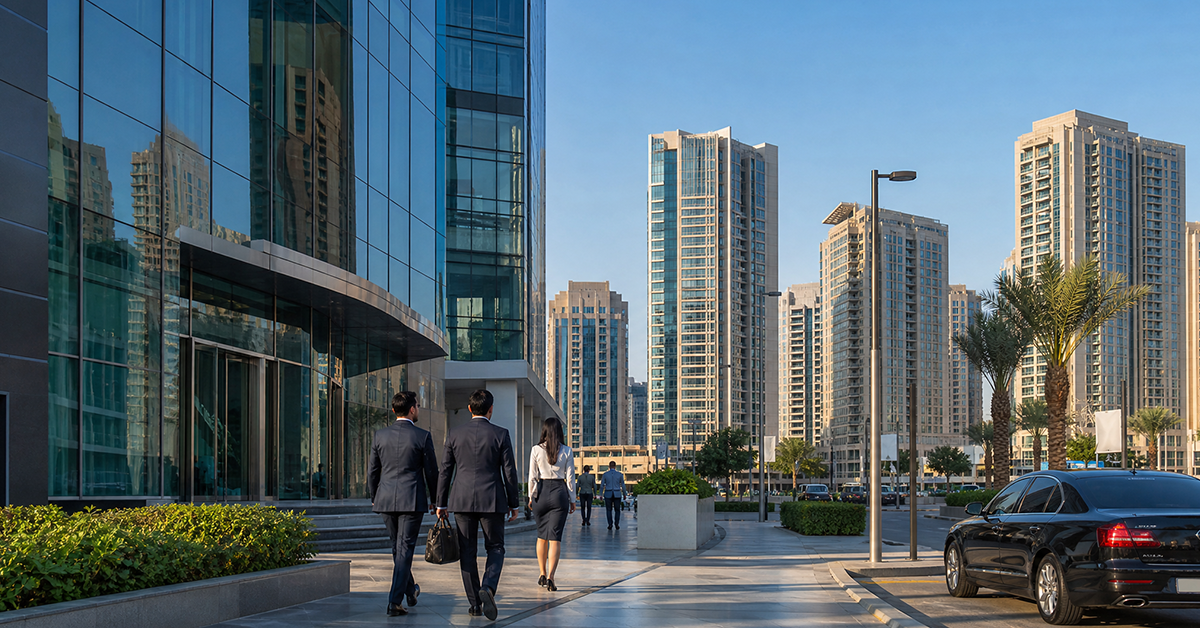
Strategic Business Ecosystems
Qatar has developed key free zones managed by the Qatar Free Zones Authority.
Major zones include:
- Ras Bufontas Free Zone near Hamad International Airport
- Umm Alhoul Free Zone near Hamad Port
These zones offer:
- 100% foreign ownership
- tax exemptions on corporate income
- streamlined business setup processes
These incentives attract multinational companies and startups across logistics, technology, and manufacturing sectors.
Verified Economic Impact
According to announcements from the Qatar Free Zones Authority, global firms from more than 40 countries have established operations in these zones.
The International Monetary Fund notes that such diversification strengthens economic resilience and supports long-term growth.
How Free Zones Are Influencing Housing Demand
As companies establish operations, they bring employees, executives, and support staff.
This creates demand for:
- rental apartments near business hubs
- family housing in nearby districts
- serviced residences for short-term professionals
Areas within commuting distance experience increased occupancy rates.
Key Residential Areas Benefiting
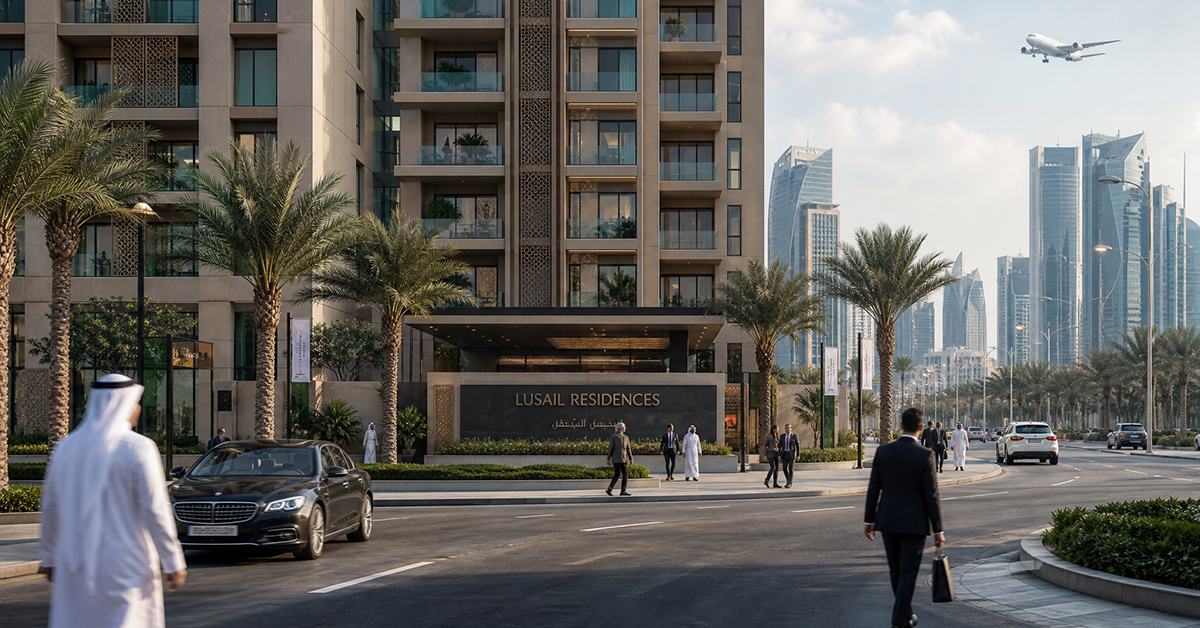
Al Wakrah
Al Wakrah benefits from proximity to Hamad Port and Umm Alhoul Free Zone. It offers relatively affordable housing options, making it attractive for employees working in logistics and industrial sectors.
Lusail City
Lusail attracts professionals working across Doha due to its modern infrastructure and connectivity. It is increasingly preferred by mid to high-income residents.
West Bay Doha
West Bay remains a key residential hub for executives and corporate employees working in free zones and central business districts.
Rental Market and Occupancy Trends
Growth in free zone activity leads to measurable changes in rental markets.
According to verified consultancies’ insights:
- Areas near employment hubs show higher occupancy rates
- Rental demand remains stable even during broader market adjustments
- Tenant turnover is lower in well-connected locations
This is driven by convenience and shorter commutes for residents.
Infrastructure Supporting This Growth
Qatar’s infrastructure plays a central role in linking free zones to residential areas. Projects led by Qatar Rail and national road networks ensure connectivity between business zones and housing districts. This reduces commute times and increases the attractiveness of nearby residential locations.
Infrastructure investment also ensures that housing demand growth is sustainable rather than temporary.
How FGREALTY Supports Your Investment Decisions
FGREALTY provides access to verified properties located near Qatar’s key economic and free zone hubs.
Whether you are exploring:
FGREALTY agents offer data-backed insights on demand, pricing, and long-term performance. We help investors align property choices with real economic activity and workforce demand.
FAQs
Q: What are Qatar’s free zones?
A: They are designated areas offering incentives such as tax exemptions and full foreign ownership to attract businesses.
Q: How do free zones affect real estate?
A: They increase housing demand by bringing employees and businesses into nearby areas.
Q: Which areas benefit the most?
A: Al Wakrah, Lusail, and West Bay are key residential zones influenced by free zone activity.
Q: Is investing near free zones a good strategy?
Yes, it provides access to stable tenant demand and long-term rental income potential.