Sports Venues Beyond Stadiums: How Training Facilities Influence Nearby Rental Demand

Key Takeaways
- Sports training facilities generate year-round rental demand, unlike event-based stadiums
- Areas near permanent training hubs attract long-term tenants and professional residents
- Rental stability is often stronger near academies and sports institutes than near stadium-only zones
- Infrastructure-backed sports development supports predictable occupancy and pricing
Introduction and Market Context
Functional infrastructure rather than headline projects increasingly shape Qatar’s real estate market. While international attention often focuses on stadiums and major tournaments, long-term residential demand is driven by facilities that operate daily. Sports training centers, academies, and performance institutes form part of Qatar’s permanent urban fabric and influence where people choose to live.
For international renters and investors at the awareness stage, understanding how non-event sports infrastructure affects rental demand helps reduce location risk. These facilities support continuous employment, professional residency, and family settlement, making them relevant indicators of rental stability within Qatar’s evolving housing market.
Sports Infrastructure in Qatar Beyond Stadiums
Qatar’s sports strategy prioritizes athlete development, education, and sports science rather than event-only venues. Institutions such as Aspire Zone, Education City sports facilities, and federation training centers operate year-round and employ permanent staff, according to Aspire Zone Foundation.
This long-term approach aligns with national development goals and integrates sports facilities into residential planning rather than isolating them as single-use destinations, as outlined by the Qatar Olympic Committee.
How Training Facilities Influence Nearby Rental Demand
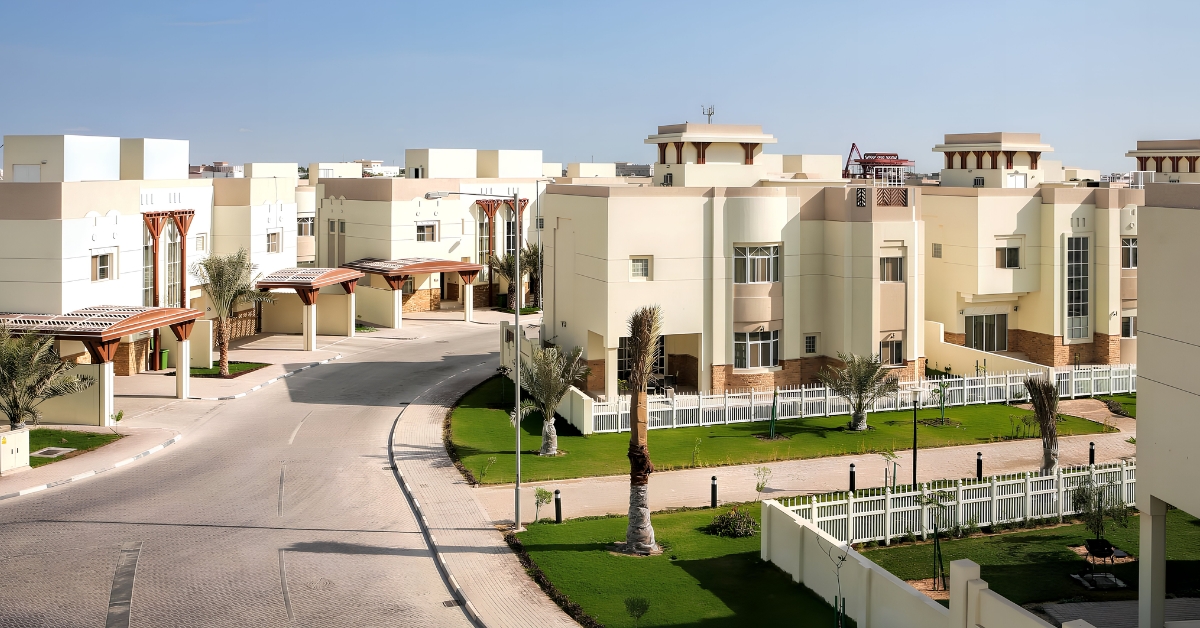
Permanent Employment and Residency
Training facilities support coaches, medical professionals, administrators, researchers, and support staff on long-term contracts. These professionals typically seek stable housing near their workplace, increasing demand for nearby apartments and villas. Aspire Academy alone hosts full-time staff and visiting professionals throughout the year, supporting consistent residential occupancy.
Long-Stay Tenant Profiles
Unlike event-driven accommodation, training hubs attract tenants with multi-year stays. These include families, academic staff, and corporate residents associated with sports science and education. This tenant mix reduces turnover and vacancy volatility in nearby residential districts.
Supporting Urban Services
Sports training zones are usually developed alongside schools, healthcare centers, and transport links. This integrated planning increases the residential appeal of surrounding neighborhoods and reinforces long-term rental demand.
Key Areas Where Training Facilities Affect Rentals
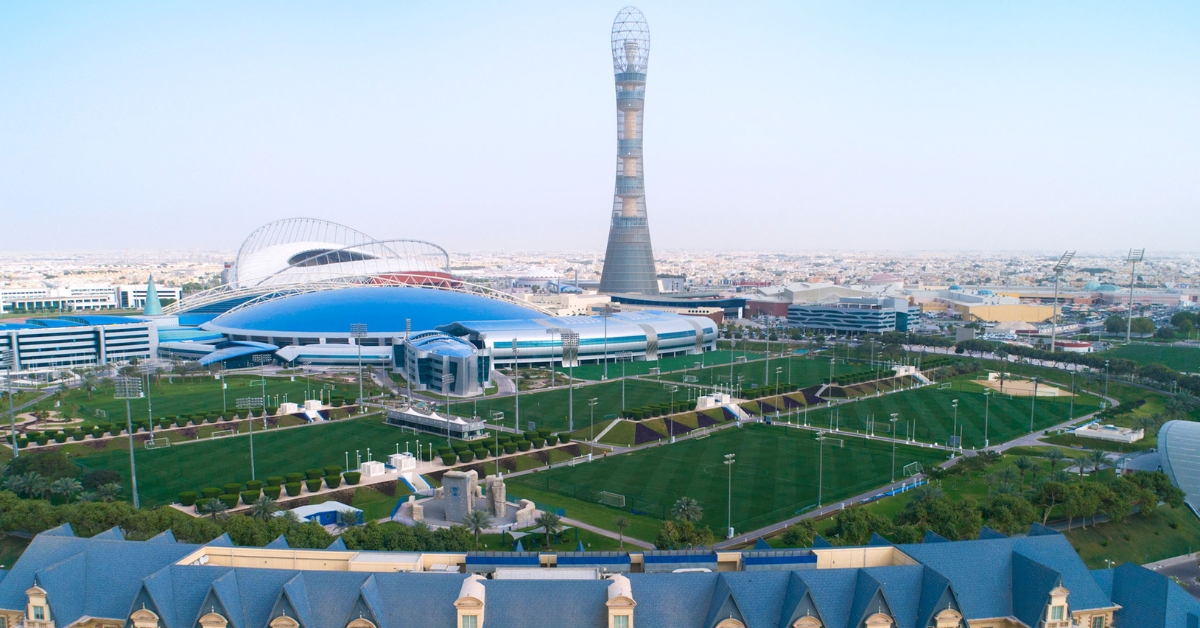
Aspire Zone and Surrounding Districts
Aspire Zone functions as Qatar’s primary high-performance sports cluster. Nearby areas such as Al Waab, Baaya, and Ain Khaled experience steady rental demand driven by professionals and families seeking proximity to year-round facilities.
Education City and Sports Science Facilities
Education City integrates academic institutions with training and research facilities. Residential areas nearby benefit from consistent rental activity tied to faculty, researchers, and professional staff rather than seasonal demand.
Lusail’s Community Sports Infrastructure
Lusail’s planning includes community-level sports and training facilities embedded within residential districts. This supports long-term living rather than event-only occupancy, reinforcing rental stability.
Training Facilities Versus Stadium-Driven Demand
Stadiums influence short-term rental spikes during tournaments, while training facilities support daily demand. Properties near training hubs are less exposed to post-event vacancy cycles, making them more attractive for long-term renters and investors evaluating stability rather than short-term yield.
This distinction is particularly relevant for international audiences comparing infrastructure-led markets in the Gulf region.
What This Means for Renters
Renters choosing areas near training facilities often benefit from:
- Predictable rental pricing over a multi-year tenancy
- Stable neighborhoods with lower turnover
- Proximity to employment and daily services
These factors are especially relevant for families and professionals relocating to Doha for long-term assignments.
What This Means for Investors
From an investment perspective, training facilities act as permanent demand anchors. Properties nearby typically demonstrate:
- Higher occupancy consistency
- Reduced reliance on tourism cycles
- Stronger long-term leasing performance
Investors assessing residential property in Doha increasingly factor in proximity to operational infrastructure rather than headline venues.
How FGREALTY Helps Identify Infrastructure-Led Rental Locations
FGREALTY supports renters and investors by aligning property choices with Qatar’s real demand drivers. We provide:
- Verified listings near established training and employment hubs
- Area guidance based on infrastructure usage, not speculation
- Advisory support for long-term rental and investment planning
FGREALTY agents help you get the best rentals as per your budget during major events.
FAQs
Q: Do training facilities really affect rental demand?
A: Yes. Facilities operating year-round create stable residential demand and reduce vacancy risk.
Q: Are areas near sports facilities noisy or congested?
A: Training centers typically operate on scheduled hours and generate far less disruption than stadium events.
Q: Are these areas suitable for families?
A: Most training hubs are developed alongside schools, healthcare, and residential services, supporting family living.
Q: Is rental pricing higher near training facilities?
A: Pricing depends on the district, but stability and occupancy often offset minor price differences.