Living Near Major Highways in Qatar: Benefits, Noise Factors, and Property Considerations
Key Takeaways
- Proximity to major highways in Qatar significantly reduces commute times and increases daily convenience for residents.
- Properties near key road networks often maintain strong rental demand due to accessibility.
- Noise levels and air quality vary depending on distance, building design, and traffic volume.
- Infrastructure planning in Qatar integrates highways with residential zones, minimizing disruption.
- Investors benefit from consistent demand in well-connected districts such as Lusail, Al Wakrah, and West Bay.
Introduction: Why Highway Access Matters in Qatar’s Real Estate Market
For both residents and investors, connectivity is one of the most important factors influencing property decisions in Qatar. With continuous infrastructure development led by national planning authorities, major highways now connect key residential, commercial, and leisure districts across the country.
As a result, properties located near highways are increasingly viewed as practical, high-demand assets. However, alongside accessibility benefits, factors such as noise levels and long-term livability also play a role in decision making.
Understanding both sides helps investors and homebuyers make informed choices in Qatar’s evolving real estate market.
Qatar’s Road Infrastructure and Urban Planning
Integrated Highway Network Supporting Growth
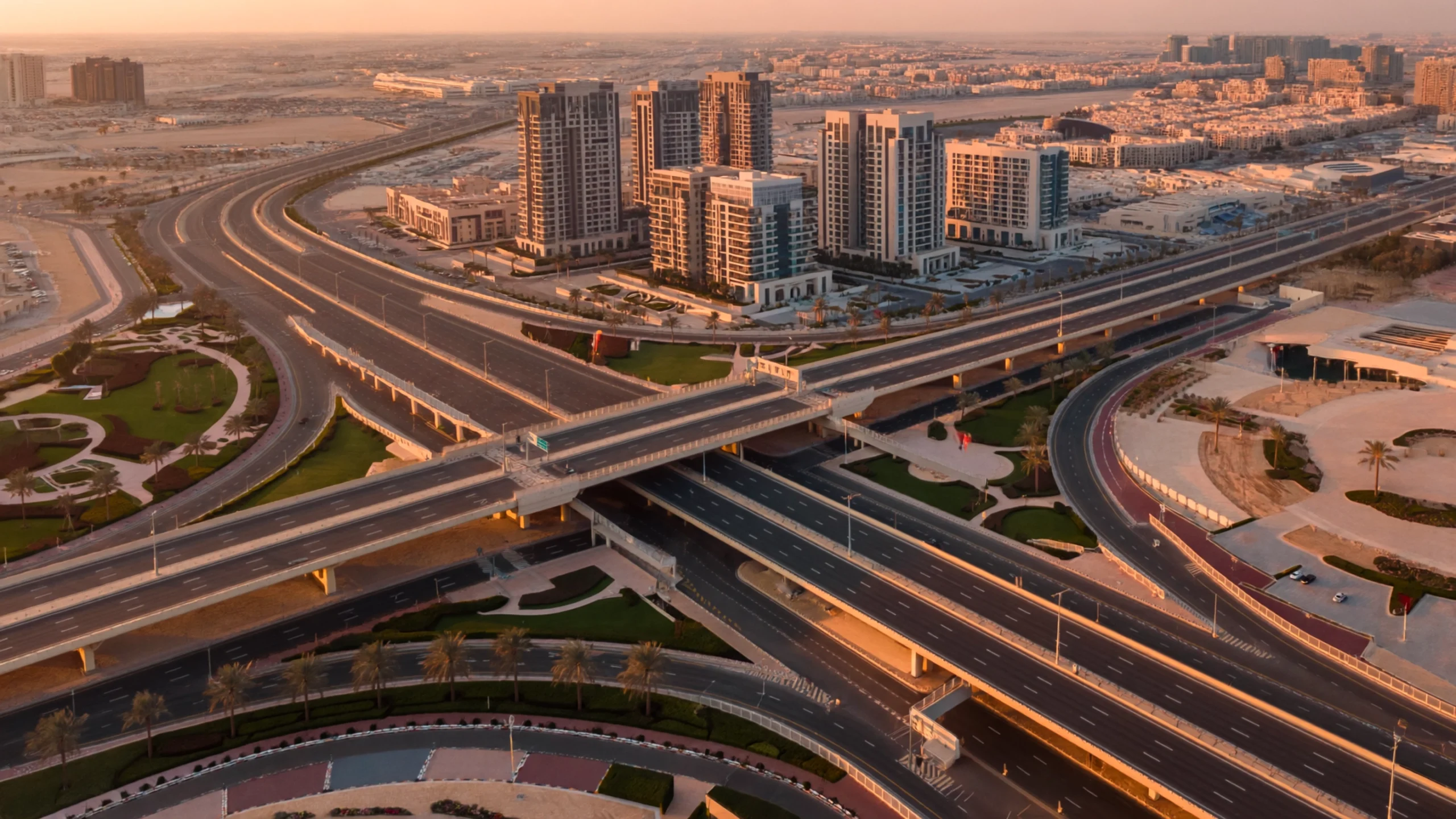
Qatar has invested heavily in its road infrastructure through large-scale projects such as the expressway program developed by the Public Works Authority. These projects connect major zones, including Lusail, The Pearl, Al Wakrah, and central Doha.
The expressway network is designed to reduce congestion, improve traffic flow, and support urban expansion. This directly impacts real estate by making more areas accessible and viable for residential development.
Accessibility Drives Residential Demand
Properties located near major routes such as Lusail Expressway, Al Khor Coastal Road, and Dukhan Highway benefit from faster connectivity to business districts, schools, and healthcare facilities.
For tenants and buyers, shorter commute times are a major deciding factor. This is reflected in consistent demand for apartments and villas in well-connected communities.
Benefits of Living Near Major Highways
Reduced Commute Times
One of the most immediate advantages is faster travel across the city. Residents living near highways can access key business hubs, airports, and commercial zones more efficiently.
This is particularly valuable in Doha, where professionals often commute between districts such as West Bay, Lusail, and Education City.
Higher Rental Demand and Liquidity
Real estate near major transport routes tends to attract a broader tenant base. Professionals, families, and corporate renters prioritize accessibility, which keeps occupancy levels stable.
Market observations from leading real estate consultancies indicate that well-connected properties often experience lower vacancy rates compared to less accessible locations.
Long-Term Urban Value
Infrastructure-led development plays a central role in Qatar National Vision 2030. Areas connected by major highways are more likely to see continued investment, commercial expansion, and improved amenities.
For investors, this translates into long-term value retention and potential capital appreciation.
Noise and Environmental Considerations
Traffic Noise Levels
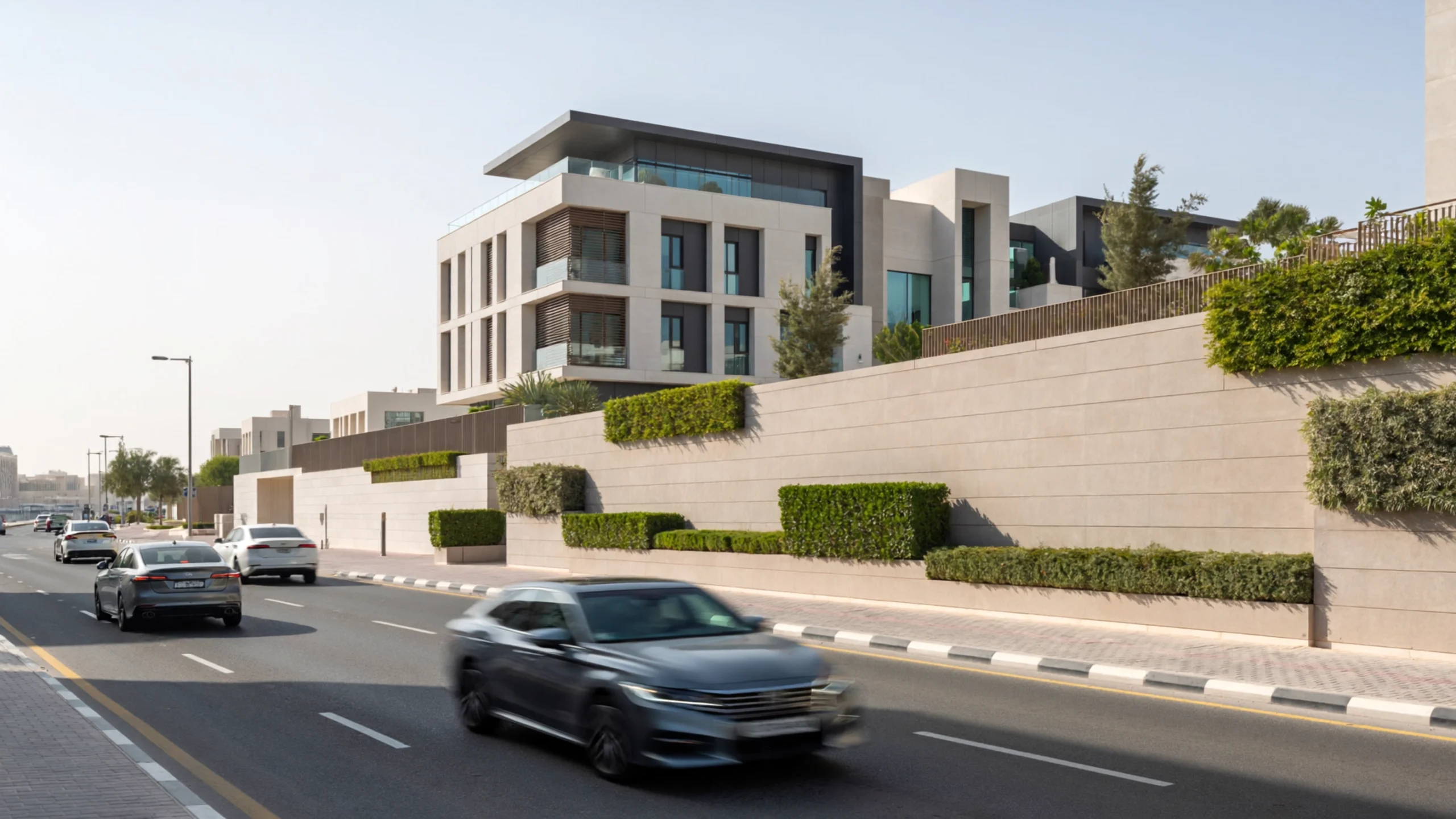
Living close to highways can result in higher noise levels, especially during peak hours. However, modern residential developments in Qatar often incorporate sound insulation, double glazing, and strategic building orientation to minimize impact.
Noise intensity typically decreases significantly with distance from the main road, making unit selection within a development an important factor.
Air Quality Factors
Air quality near highways can vary depending on traffic density and environmental controls. Qatar has implemented regulatory measures and urban landscaping initiatives to reduce environmental impact.
Green buffers, building setbacks, and improved emission standards contribute to maintaining livable conditions even in high connectivity zones.
Design and Community Planning
Many residential communities in Qatar are designed with internal road systems that separate living spaces from main traffic corridors. This ensures that while residents benefit from proximity, they are not directly exposed to highway conditions.
Developments in Lusail and The Pearl are examples of how planning balances accessibility with residential comfort.
Property Considerations for Buyers and Investors
Unit Positioning Matters
Not all properties near highways offer the same experience. Units facing internal courtyards or positioned away from direct traffic tend to have better noise control and higher desirability.
Rental Yield Potential
Properties with strong connectivity often achieve competitive rental yields due to sustained demand. Accessibility remains one of the key drivers of tenant preference in Qatar’s rental market.
Future Infrastructure Expansion
Investors should also consider planned infrastructure projects. New road expansions or connectivity upgrades can further enhance property value over time.
Government development plans continue to prioritize transportation efficiency, which supports real estate growth in connected areas.
What This Means for Real Estate Investors
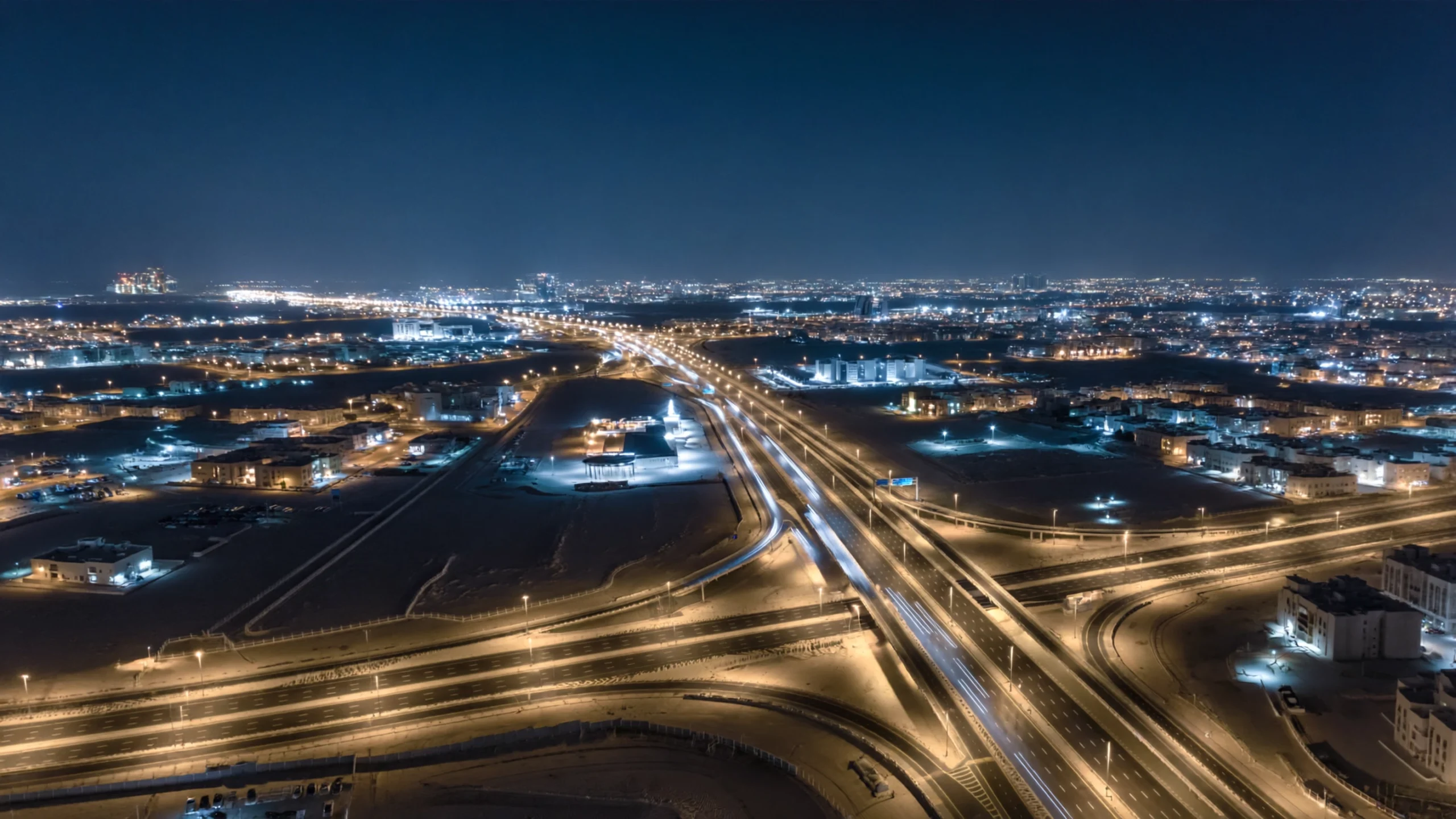
For global investors, properties near major highways in Qatar offer a balance of convenience, demand stability, and long-term growth potential.
While considerations such as noise and environmental factors should not be overlooked, modern urban planning and construction standards significantly reduce these concerns.
In practical terms, accessibility remains one of the strongest indicators of property performance in Qatar’s real estate market.
How FGREALTY Supports Investors in Qatar
FGREALTY helps clients identify properties that combine connectivity with livability.
Whether you are searching for
FGREALTY agents provide verified listings, location insights, and guidance based on real market data. We help you evaluate not just the property, but the surrounding infrastructure that impacts long-term value.
FAQs
Q: Is it good to live near highways in Qatar?
A: Yes, properties near highways offer strong connectivity and high rental demand, though factors like noise should be considered.
Q: Do highway properties have higher rental demand?
A: Yes, accessibility is a major factor for tenants, which often results in stable occupancy rates.
Q: How can noise be minimized in such properties?
A: Modern buildings use insulation, double glazing, and design layouts to reduce noise impact.
Q: Which areas benefit most from highway connectivity?
A: Lusail, West Bay, and Al Wakrah are among the areas that benefit from strong road networks and accessibility.