How Tourism Growth Is Supporting Retail and Hospitality Real Estate
Key Takeaways
- Tourism growth is increasing demand for hotels, serviced apartments, retail shops, restaurants, and entertainment venues.
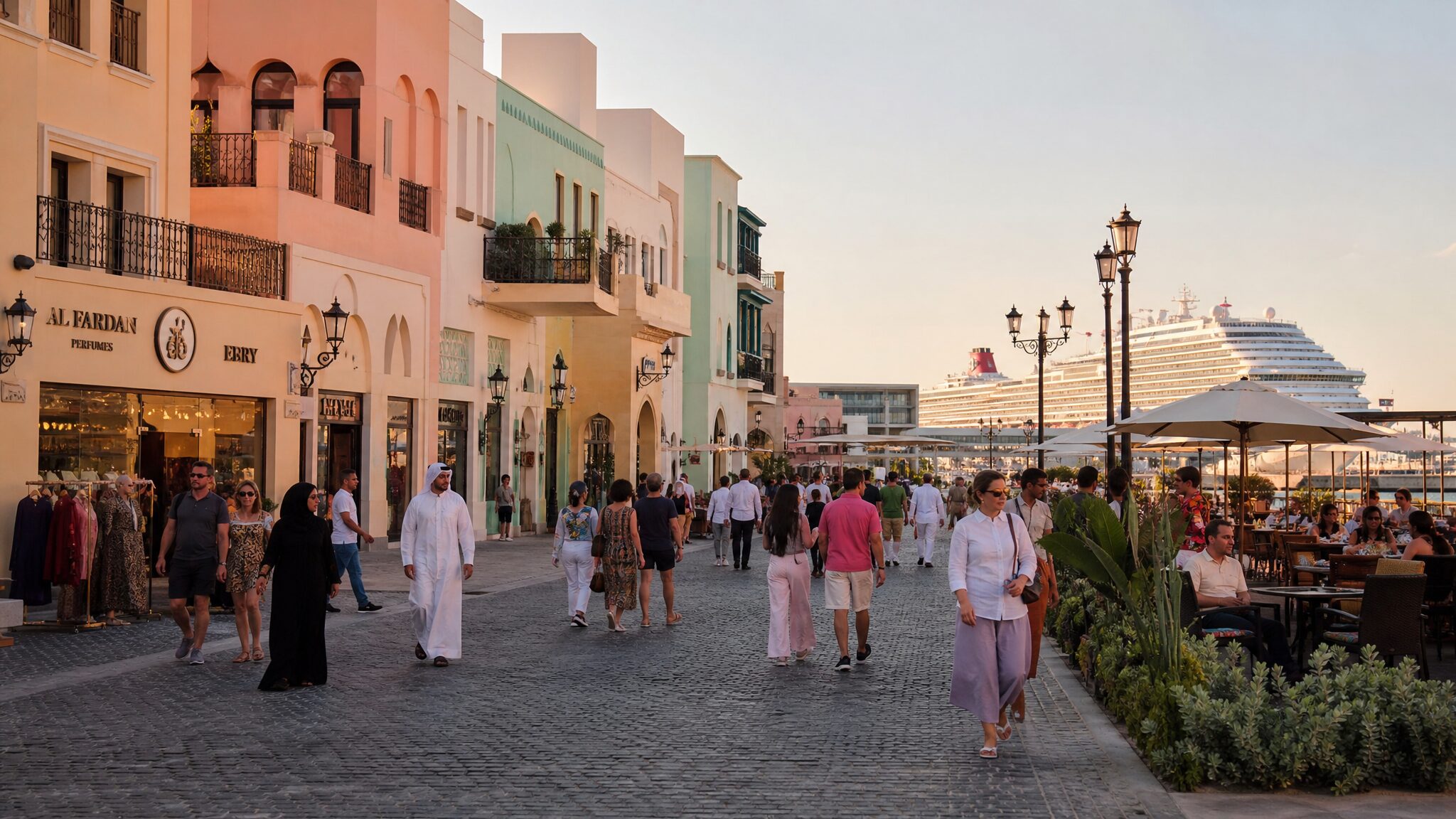
- Visitors are spending heavily in destinations such as Souq Waqif, Katara, The Pearl, Lusail Boulevard, and major shopping malls.
- Retail and hospitality properties in high-traffic tourist areas are attracting stronger investor interest.
- Mixed-use developments that combine hotels, retail, dining, and waterfront experiences are becoming more valuable.
- Qatar’s infrastructure, safety, cultural attractions, and modern amenities continue supporting long-term tourism growth.
Qatar’s Real Estate Market Is Benefiting from Tourism Expansion
Qatar’s real estate sector is no longer driven only by residential demand and government infrastructure spending. Tourism has become an increasingly important contributor to retail and hospitality real estate.
According to Qatar Tourism, the country has experienced significant growth in international visitor arrivals, supported by major events, improved visa access, and expanded air connectivity through Hamad International Airport.
This growth directly affects:
- Hotel occupancy
- Serviced apartment demand
- Restaurant leasing activity
- Retail foot traffic
- Commercial property values in tourism districts
For investors, understanding where tourists spend their time is becoming as important as understanding where residents live.
Why Tourism Is Reshaping Retail and Hospitality Demand
Modern tourists want more than a hotel room. They look for shopping, dining, culture, entertainment, and waterfront experiences within the same area. As a result, demand is increasing for properties located near major visitor destinations rather than in isolated commercial zones.
Retailers and hotel operators increasingly prioritize locations that offer:
- High pedestrian traffic
- Easy metro or road access
- Waterfront views
- Cultural attractions nearby
- Restaurants and cafés within walking distance
- Year-round events and entertainment
This shift is strengthening mixed-use developments across Doha and Lusail.
Tourist Destinations Driving Real Estate Activity
Souq Waqif
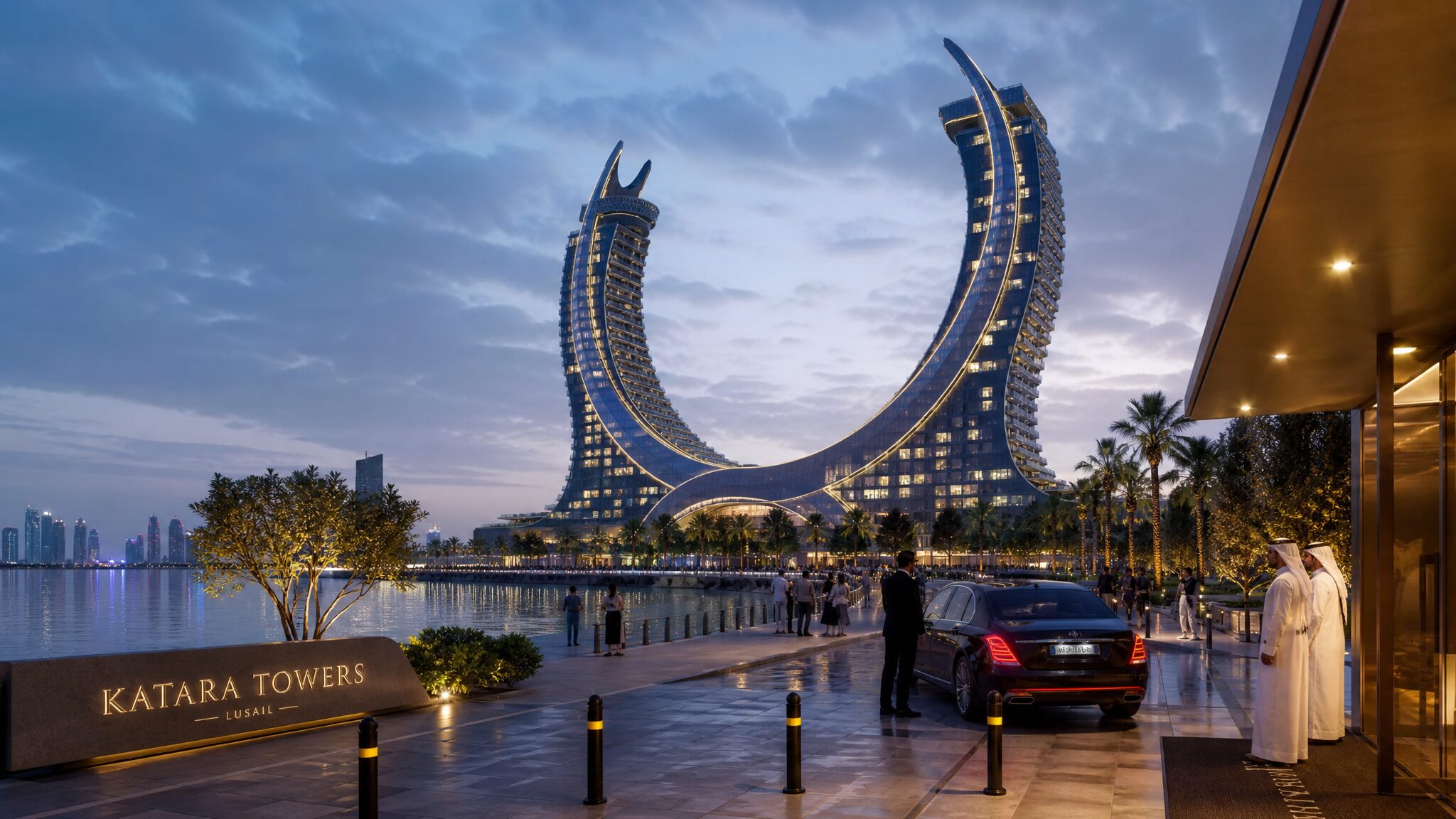
Souq Waqif remains one of Qatar’s most visited attractions. Tourists are drawn to its traditional architecture, local restaurants, handicraft shops, spice markets, and cultural atmosphere.
The surrounding area benefits from strong demand for:
- Boutique hotels
- Restaurants
- Cafés
- Souvenir shops
- Specialty retail
Katara Cultural Village
Katara Cultural Village combines culture, art, beaches, dining, and entertainment in one destination. It hosts exhibitions, concerts, festivals, and international events throughout the year.
This supports demand for nearby hospitality and retail space.
The Pearl Island
The Pearl attracts visitors looking for luxury shopping, waterfront dining, marinas, and upscale residential experiences. High-end retailers, cafés, and hospitality operators continue expanding within the district.
Lusail Boulevard
Lusail Boulevard has become a major entertainment and lifestyle destination with restaurants, retail outlets, public events, and modern urban design.
Its growing popularity is increasing interest in surrounding commercial and hospitality properties.
Major Shopping Malls
Destinations such as Place Vendôme, Doha Festival City, Mall of Qatar, and Villaggio Mall attract both residents and tourists through shopping, dining, cinemas, and family entertainment.
These malls continue generating substantial retail activity across multiple categories.
What Tourists Like Most About Qatar
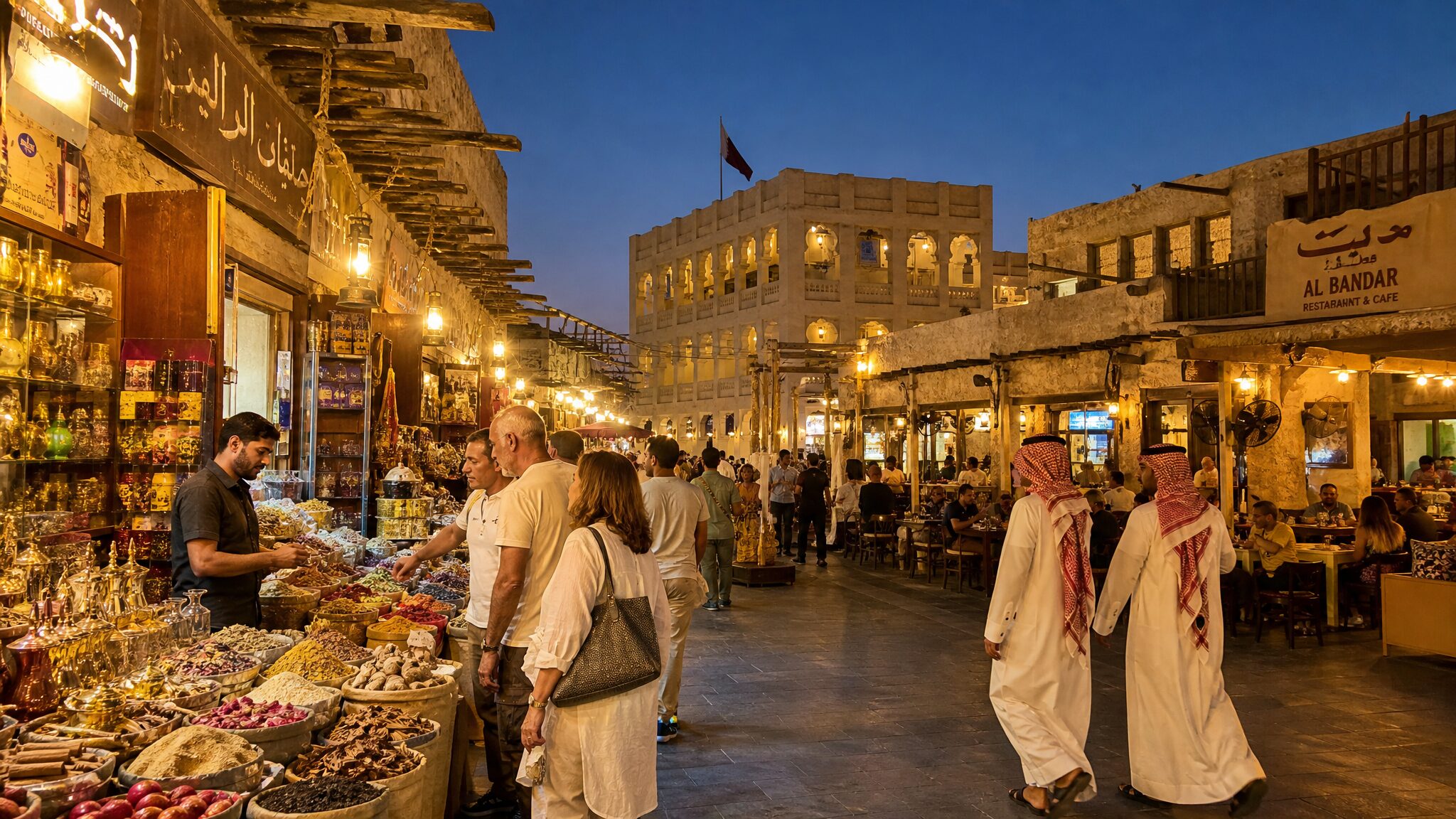
Qatar’s appeal comes from the combination of modern infrastructure and authentic cultural experiences.
Common visitor preferences include:
- Safe and clean urban environment
- High-quality hotels and serviced apartments
- Easy transportation through Doha Metro
- Waterfront promenades and beaches
- Desert experiences such as Inland Sea excursions
- Cultural landmarks including the Museum of Islamic Art and National Museum of Qatar
- International dining options
- Luxury shopping and entertainment
This combination encourages longer stays and higher spending, which benefits both hospitality operators and retail businesses.
How Visitor Spending Supports Retail Properties
Tourists spend across multiple retail categories, creating diversified revenue opportunities for landlords and tenants.
High-performing categories include:
- Luxury fashion
- Jewelry and watches
- Beauty products
- Electronics
- Local handicrafts
- Gourmet food and specialty cafés
- Entertainment and family activities
Properties located near major tourist corridors often experience stronger foot traffic and higher tenant demand than comparable locations without visitor activity.
Hotels and Serviced Apartments Are Seeing Stronger Demand
Business travelers, leisure tourists, event attendees, and long-stay visitors are increasing demand for different types of hospitality accommodation.
Growth is particularly visible in:
- Luxury hotels
- Lifestyle hotels
- Waterfront resorts
- Serviced apartments
- Extended stay accommodation
- Mixed-use hospitality projects
Areas such as West Bay, Lusail, The Pearl, and Msheireb Downtown Doha continue attracting both international hotel brands and regional operators.
Tourism Encourages New Hospitality Investment
As Qatar attracts more international visitors, hospitality developers continue expanding the range of accommodations available. Investors are moving beyond traditional luxury hotels by adding serviced apartments, branded residences, boutique hotels, and mixed-use developments that appeal to different traveler profiles.
This diversification supports tourism while creating long-term investment opportunities.
Key areas attracting hospitality investment include:
- Lusail Marina District
- The Pearl Island
- West Bay
- Msheireb Downtown Doha
- Katara Cultural Village surroundings
- Hamad International Airport corridor
These locations combine excellent accessibility with retail, dining, entertainment, and business facilities.
Mixed-Use Communities Are Becoming More Valuable
Developments that combine multiple property types generally benefit from steady activity throughout the day.
Examples include communities offering:
- Luxury hotels
- Residential apartments
- Premium office space
- Retail shops
- Restaurants and cafés
- Entertainment venues
- Waterfront promenades
For investors, this diversified activity helps support commercial occupancy and long-term asset value.
Government Investment Continues Supporting Tourism
Qatar National Vision 2030 identifies tourism as one of the country’s priority economic sectors. Significant public investment has improved infrastructure that benefits both visitors and the real estate market.
Major improvements include:
- Expanded Doha Metro network
- Hamad International Airport expansion
- Modern road infrastructure
- Cruise terminal facilities
- Public beaches
- Cultural attractions
- Parks and waterfront developments
These improvements increase accessibility while making nearby commercial and residential properties more attractive to investors.
What This Means for Real Estate Investors
Tourism creates demand that extends beyond hotels. Growing visitor numbers can benefit:
- Hotel investments
- Serviced apartments
- Retail units
- Restaurant spaces
- Mixed-use developments
- Commercial properties
- Luxury residential communities
Investors increasingly evaluate not only current tourism activity but also future infrastructure projects, accessibility, and nearby attractions before purchasing property.
How FGREALTY Helps Investors
Whether you are investing in commercial property, purchasing a luxury residence, or expanding your investment portfolio, FGREALTY provides market insights backed by local expertise.
Our real estate agents help clients identify;
We provide guidance based on verified market information and long-term investment fundamentals.
FAQs
Q: Why is tourism important for Qatar’s real estate market?
A: Tourism increases demand for hotels, serviced apartments, retail centers, restaurants, and mixed-use developments, supporting commercial activity and investment opportunities.
Q: Which areas benefit the most from tourism?
A: West Bay, Lusail, The Pearl Island, Msheireb Downtown Doha, Katara Cultural Village, and areas surrounding Hamad International Airport remain among the strongest tourism-driven real estate locations.
Q: Does tourism influence retail property demand?
A: Yes. Areas with higher visitor numbers often experience stronger demand for retail, dining, and entertainment space because businesses seek locations with consistent customer traffic.
Q: Why are mixed-use developments becoming popular?
A: They combine residential, hospitality, retail, office, and leisure facilities within one destination, creating convenience for residents, businesses, and visitors while supporting long-term investment performance.