Global Sports Events and Tourism Are Strengthening Qatar’s Housing and Hospitality Demand
Key Takeaways
- Qatar continues expanding its sports tourism strategy following the success of the FIFA World Cup 2022, which significantly increased global visitor traffic to the country.
- Qatar Tourism leads government tourism development initiatives to position Qatar as a year-round destination for international sporting events.
- Major venues such as Lusail Stadium and Aspire Zone continue to host international competitions and community sporting activities.
- Increased international visitor arrivals support demand for short-term accommodation, serviced apartments, and hospitality assets.
- Residential districts, including The Pearl Qatar and Lusail City, benefit from proximity to sports venues and tourism infrastructure.
Introduction: Sports Tourism and Real Estate Demand in Qatar
Sports tourism has become an increasingly important component of Qatar’s economic diversification strategy. International sporting events attract visitors, media, and global organizations, thereby increasing demand for accommodation, hospitality services, and residential property.
Following the global visibility created by the FIFA World Cup 2022, Qatar continues to host international competitions in athletics, motorsports, tennis, and cycling. These events are coordinated through institutions such as the Qatar Olympic Committee and supported by tourism development strategies implemented by Qatar Tourism.
For international investors researching Qatar’s property sector, understanding how sports tourism contributes to hospitality and housing demand provides useful insight into long-term market dynamics.
Qatar’s Sports Tourism Strategy
Global Sporting Events Continue to Attract Visitors
Qatar has established itself as a regular host of major international sports competitions. Global events held in Doha include athletics championships, tennis tournaments, motorsport races, and international football competitions.
Venues such as Lusail Stadium and Khalifa International Stadium remain active hosts for tournaments and regional championships. The presence of modern infrastructure and international broadcasting facilities allows Qatar to host events throughout the year.
Sports tourism strategies are closely aligned with Qatar National Vision 2030, the national development framework that prioritizes economic diversification and global tourism growth.
These initiatives contribute to visitor inflows that support hospitality demand and urban development.
Impact on Hospitality and Short-Term Accommodation
Hotels, Serviced Apartments, and Short Stay Housing
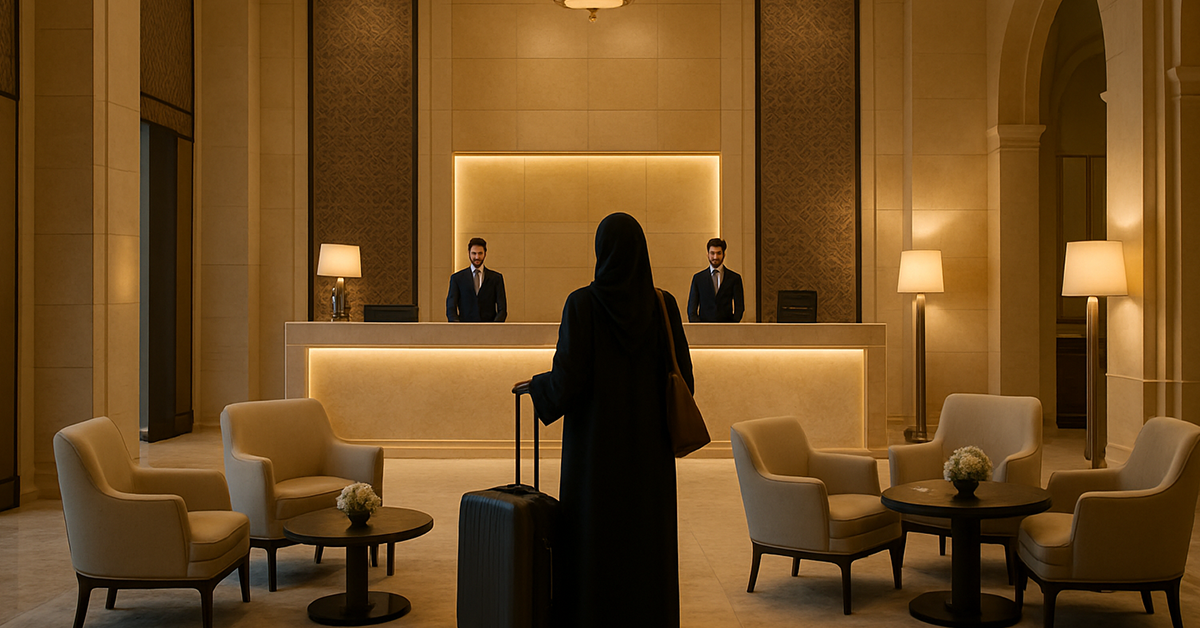
International sporting events often generate temporary demand for hotels, serviced apartments, and short-term rental units. Visitors attending events frequently seek accommodation close to stadiums, entertainment districts, and waterfront developments.
Districts such as West Bay Doha, The Pearl Qatar, and Lusail Marina District contain many residential towers and hospitality assets that accommodate international visitors.
These areas offer proximity to transportation networks, including the Doha Metro, which connects major stadiums, business districts, and tourism locations across the capital.
Long-Term Housing Demand Linked to Sports Infrastructure
Residential Communities Near Sports Facilities
Beyond temporary tourism activity, sports infrastructure also contributes to long-term residential demand. International sports organizations, media teams, athletes, and event staff often remain in the country for extended periods during tournaments and training camps.
Facilities within Aspire Zone support training programs, sports medicine research, and youth development initiatives operated by institutions such as Aspire Academy.
Residential areas located near these facilities benefit from steady occupancy demand from professionals working within sports-related industries.
Infrastructure and Urban Development
Planned Cities Supporting Tourism Growth
Urban developments such as Lusail City have been designed with mixed-use districts that combine residential communities, entertainment venues, retail centers, and sports facilities.
Lusail hosts major sporting venues, including the Lusail Stadium, while also offering residential towers, marinas, and hospitality infrastructure.
These integrated developments align with national investment strategies focused on tourism, entertainment, and knowledge industries.
What This Means for Investors and Residents
International investors often evaluate real estate markets by examining economic drivers that generate long-term demand. In Qatar, sports tourism contributes to a broader ecosystem that includes hospitality, entertainment, transportation infrastructure, and residential development.
Although global geopolitical developments continue to influence international markets, Qatar’s economic strategy emphasizes diversification, tourism growth, and infrastructure investment under the national development framework.
This integrated approach strengthens the long-term outlook for property markets connected to tourism districts and event venues.
How FGREALTY Helps Investors and Residents
FGREALTY provides verified listings and advisory services for buyers and tenants interested in residential and hospitality-linked locations.
Whether you are searching for
FGREALTY agents help international buyers navigate the regulated property market with verified listings and location insights. For individuals researching housing near sports venues or tourism districts, we offer property options that align with lifestyle preferences and long-term investment considerations.
FAQs
Q: Why does sports tourism influence housing demand in Qatar?
A: International sporting events attract visitors, media teams, and professionals who require accommodation during competitions and training periods.
Q: Which areas benefit the most from sports tourism in Qatar?
A: Districts near major venues such as Lusail, West Bay, and The Pearl often see increased hospitality and residential demand.
Q: Does Qatar continue hosting international sporting events after the World Cup?
A: Yes. Qatar regularly hosts international competitions in athletics, tennis, motorsports, and football through partnerships with global sports federations.
Q: Is sports tourism part of Qatar’s long-term economic strategy?
A: Yes. Tourism and international events are integrated into the national development framework of Qatar National Vision 2030.