What Is Actually Driving Qatar’s Real Estate Demand Beyond Oil and Gas?
Key Takeaways
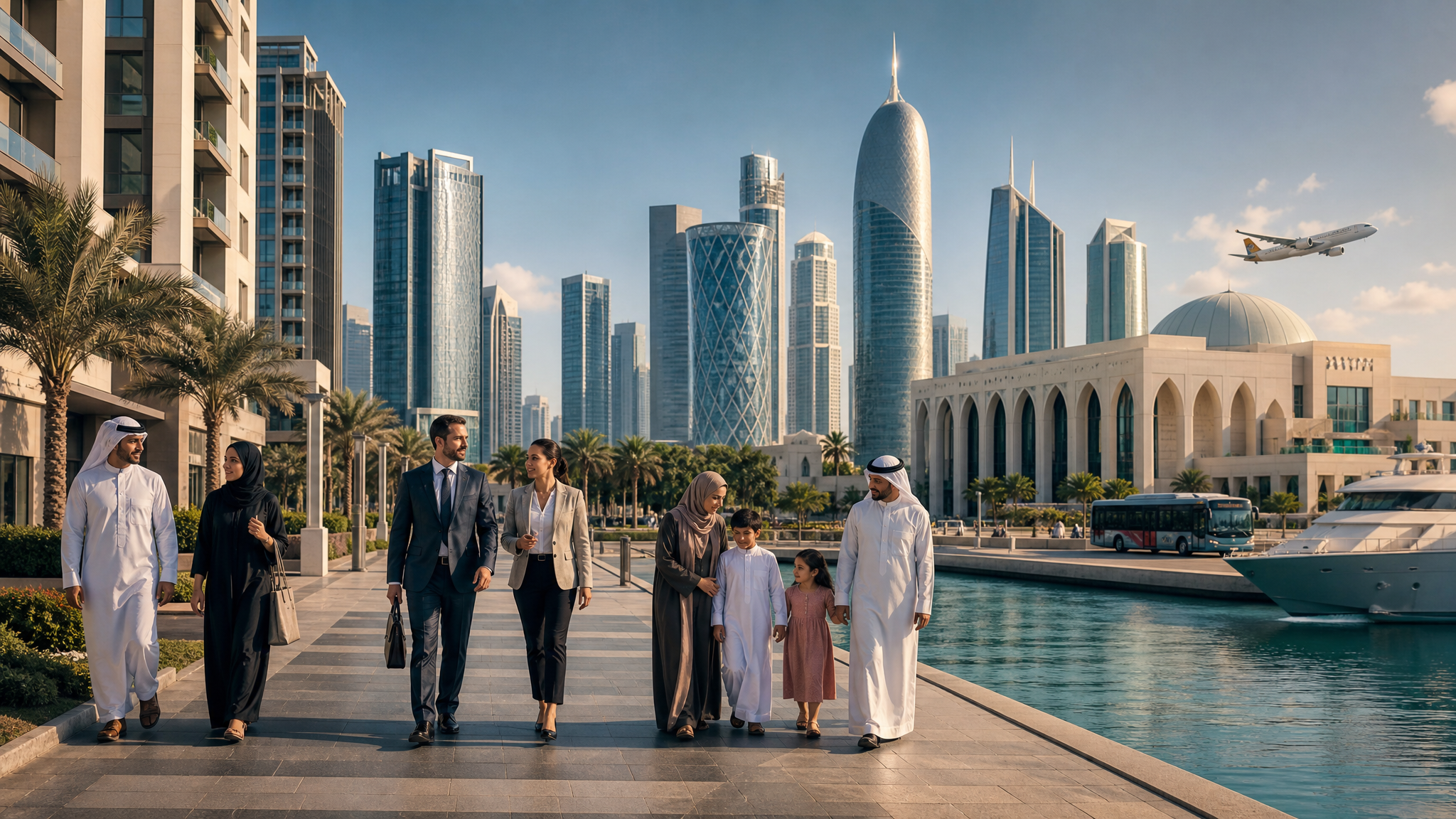
- Qatar’s property market is increasingly supported by economic diversification rather than hydrocarbons alone.
- Non-hydrocarbon sectors now account for more than 63% of Qatar’s GDP, creating broader sources of housing and commercial demand.
- Population growth, tourism expansion, infrastructure investment, education, healthcare and business services are strengthening long-term real estate fundamentals.
- Major districts such as Lusail, The Pearl, West Bay, Msheireb Downtown and Qetaifan Island North continue benefiting from ongoing urban development.
- Investors are increasingly evaluating Qatar based on stability, infrastructure quality and future economic growth rather than energy markets alone.
Introduction & Real Estate Context
For many years, international investors associated Qatar’s economy primarily with natural gas exports. While hydrocarbons remain a major pillar of national wealth, Qatar’s real estate market is increasingly being supported by sectors that extend far beyond oil and gas.
According to Qatar’s National Planning Council, non-hydrocarbon activities accounted for 63.6% of real GDP in the first quarter of 2025 and grew by 5.3% year over year. Real estate itself recorded growth of 7.0%, while tourism, retail, manufacturing, construction and professional services also expanded significantly.
For investors, homebuyers and expatriates, understanding these new demand drivers is essential because they help explain why Qatar’s property market continues attracting interest despite changing global energy cycles.
Economic Diversification Is Creating New Sources of Housing Demand
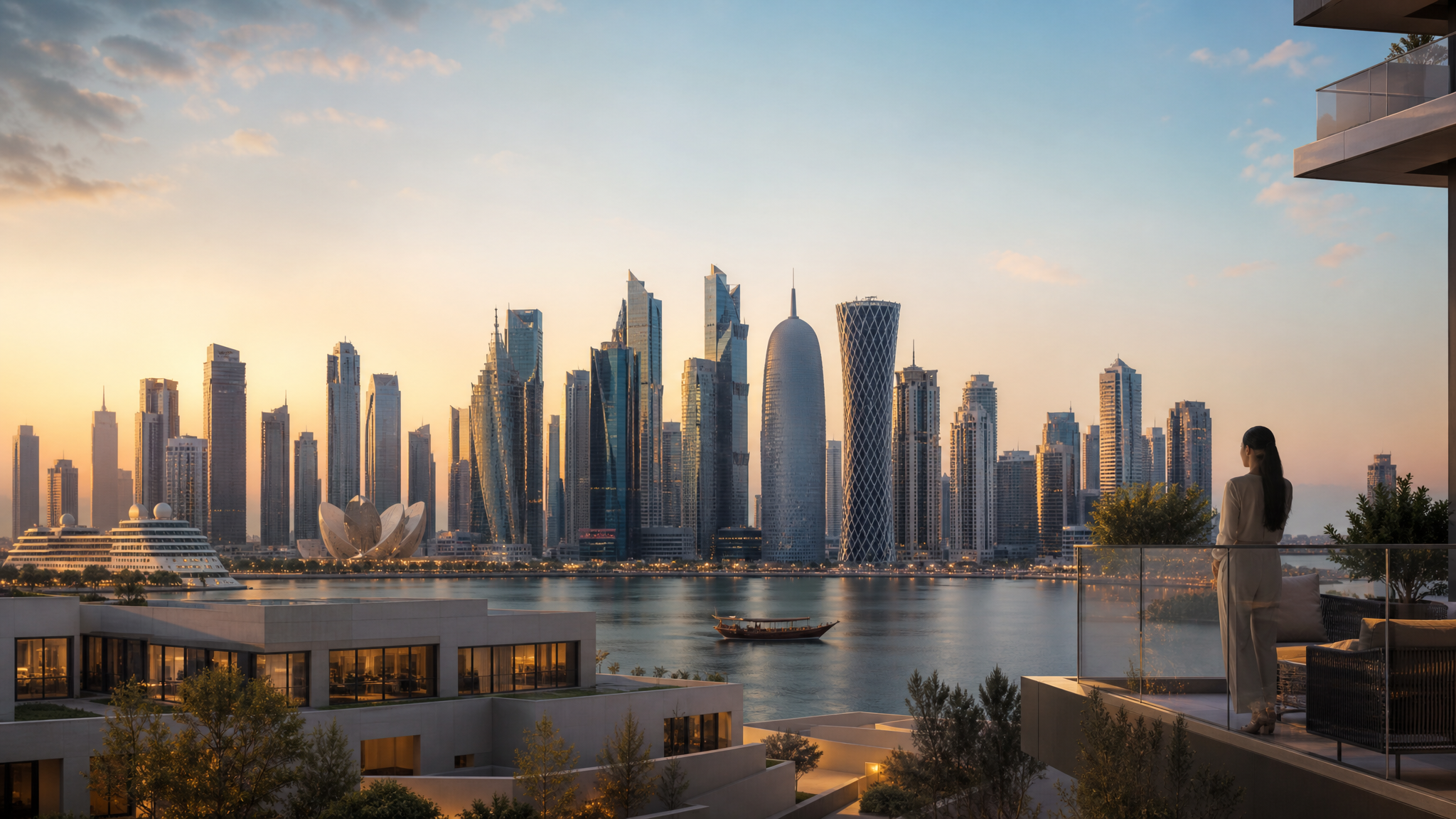
One of the biggest drivers of real estate demand is Qatar’s long-term diversification strategy under Qatar National Vision 2030.
The national strategy aims to create a more diversified economy supported by private sector growth, foreign investment, technology, tourism, logistics, education and professional services. Government policy specifically encourages a business climate capable of attracting foreign capital and new industries.
As new industries expand, demand grows for:
- Executive housing
- Family apartments
- Staff accommodation
- Commercial offices
- Mixed use developments
- Retail and hospitality properties
This creates a broader and more resilient property market than one tied solely to energy sector employment.
Population Growth Continues Supporting Residential Demand
Qatar remains one of the GCC’s most internationally diverse countries, with expatriates representing a large portion of the workforce.
Growth in sectors such as construction, healthcare, education, technology, logistics and financial services continues attracting skilled professionals and their families. This contributes to ongoing demand for apartments, villas and serviced residences across Doha and Lusail.
Popular residential areas benefiting from this demand include:
- Lusail City
- The Pearl Island
- West Bay
- Al Sadd
- Msheireb Downtown Doha
- Qetaifan Island North
Tourism Is Becoming a Major Real Estate Demand Driver
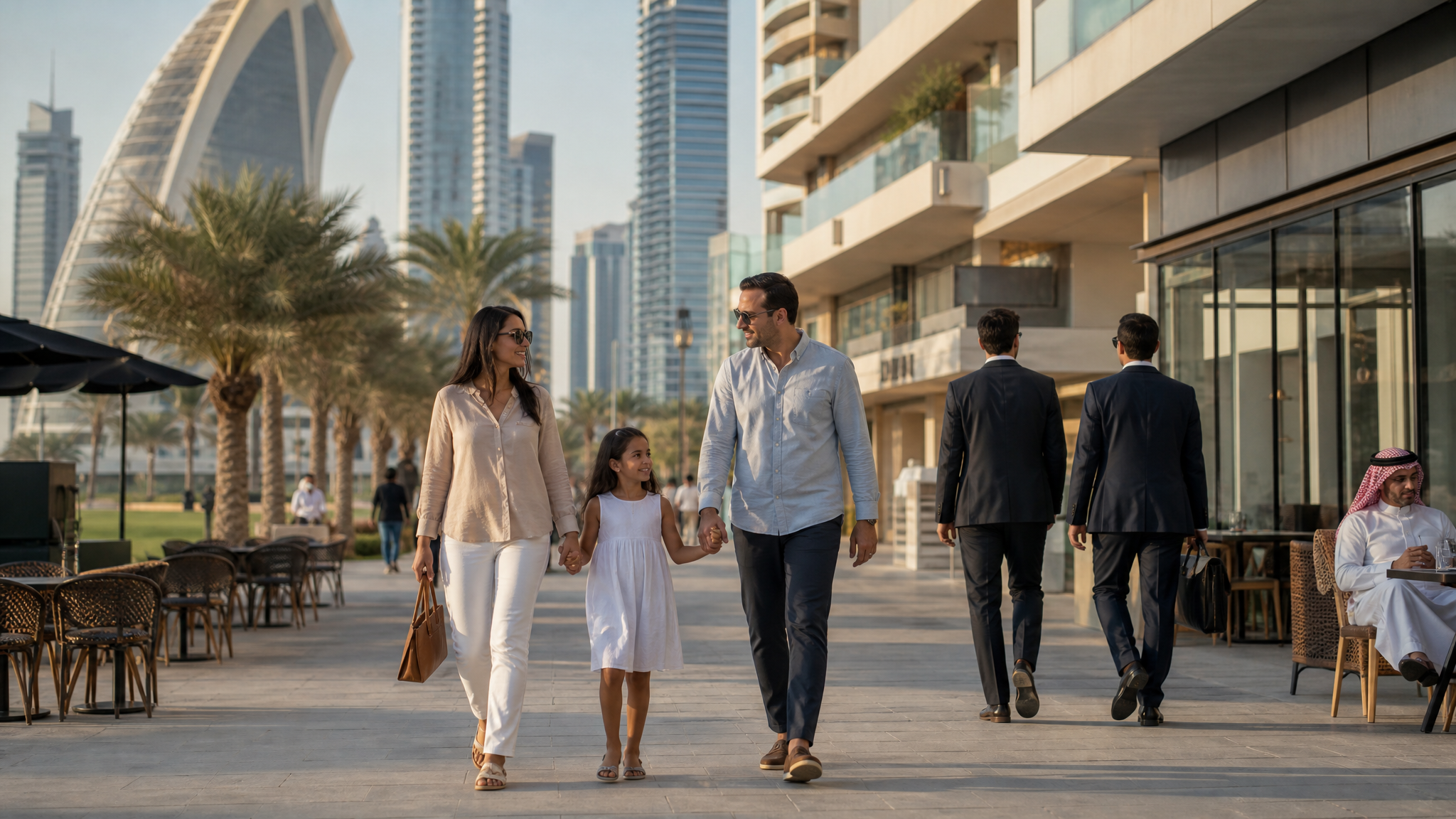
Tourism has emerged as one of Qatar’s fastest-growing economic sectors.
Government strategies target between 6 and 7 million annual visitors by 2030 while aiming for tourism to contribute between 10% and 12% of GDP. Qatar’s growing calendar of sporting events, exhibitions, conferences and leisure attractions continues supporting visitor growth throughout the year.
This trend increases demand for:
- Serviced apartments
- Holiday homes
- Short-term rentals
- Hospitality residences
- Hotel-linked developments
Investors increasingly view residential assets in tourist-oriented locations as income-generating opportunities supported by year-round visitor activity.
Infrastructure Investment Continues Enhancing Property Values
Qatar’s infrastructure network remains one of the strongest in the region.
The Doha Metro, Lusail Tram, Hamad International Airport expansion, road upgrades and smart city developments have improved connectivity across the country. These projects make residential communities more attractive while reducing commute times and improving quality of life.
Areas with strong transport connections often attract higher tenant demand because residents prioritize convenience and accessibility. This infrastructure advantage supports both rental demand and long-term capital appreciation.
Education and Healthcare Expansion Are Creating Stable Demand
Education City, international universities, research institutions and healthcare facilities continue attracting professionals, academics and students from around the world.
Growth in these sectors supports housing demand that is often less sensitive to energy market fluctuations. Professional employees working in education, healthcare and research typically seek long-term accommodation near employment centers, contributing to stable occupancy levels in surrounding districts.
This diversification creates additional resilience within Qatar’s residential market.
Foreign Investment Reforms Are Expanding the Buyer Pool
Qatar has gradually introduced policies designed to attract international investors.
Designated freehold and leasehold ownership zones, residency-linked property programs, and investor-friendly regulations have expanded opportunities for overseas buyers.
As a result, real estate demand increasingly comes from:
- GCC investors
- International property buyers
- Expatriate residents
- Family offices
- Long-term wealth preservation investors
This broadening investor base helps support market stability while reducing dependence on a single economic sector.
How FGREALTY Can Help You Navigate Qatar’s Growth Story
At FGREALTY, we help buyers, investors, and expatriates identify opportunities aligned with Qatar’s evolving economic landscape.
Whether you are searching for apartments for sale in Lusail, luxury residences in The Pearl, or rental properties in Doha, our team provides market-driven guidance supported by local expertise.
Our services include:
- Investment market analysis
- Residential and commercial property sourcing
- Relocation assistance for expatriates
- Rental yield and capital growth assessments
- Access to verified listings across Qatar
Speak with FGREALTY agents today to explore opportunities in one of the GCC’s most diversified and forward-looking property markets.
FAQs
Q: Is Qatar’s real estate market still dependent on oil and gas?
A: While hydrocarbons remain important, non-hydrocarbon sectors now contribute more than 63% of Qatar’s GDP, creating broader drivers of real estate demand.
Q: What sectors are contributing to property demand in Qatar?
A: Tourism, construction, retail, logistics, healthcare, education, technology and professional services are all contributing to housing and commercial real estate demand.
Q: Why are investors interested in Qatar beyond energy markets?
A: Investors are attracted by economic diversification, infrastructure quality, political stability, modern urban development and foreign ownership opportunities.
Q: Which areas benefit most from these demand drivers?
A: Lusail City, The Pearl, West Bay, Msheireb Downtown and Qetaifan Island North remain among the most sought-after locations for both investors and residents.
Q: Will non-oil growth continue supporting the property market?
A: Current national development strategies focus heavily on expanding non-hydrocarbon sectors, suggesting continued support for residential and commercial property demand over the coming years.