Qatar Revises Foreign Property Ownership Rules: What Non Qataris Need to Know
Key Takeaways
Qatar’s Cabinet Resolution No. 21 of 2026 updates the framework governing non-Qatari real estate ownership, reaffirming ten designated freehold ownership zones and streamlining registration procedures through the Ministry of Justice. The update strengthens transparency, clarifies ownership rights, and enhances Qatar’s position as one of the Gulf’s most accessible real estate markets for international investors seeking ownership, residency benefits, and long-term market stability.
Qatar Revises Non-Qatari Real Estate Ownership Rules and Eligible Property Zones
Qatar continues to strengthen its appeal as an international real estate investment destination. In June 2026, the government introduced Cabinet Resolution No. 21 of 2026, updating the list of areas where non-Qataris can own real estate and refining administrative procedures governing property ownership and registration.
For investors, expatriates, and global buyers evaluating opportunities in the Gulf region, understanding these changes is essential. The latest revisions provide greater clarity on ownership rights while reinforcing Qatar’s commitment to attracting foreign capital through a transparent legal framework.
Why This Update Matters
International investors searching for property in Qatar typically want answers to several key questions:
- Can foreigners own property in Qatar?
- Which areas are available for freehold ownership?
- Does property ownership provide residency benefits?
- What has changed under the new regulations?
The latest Cabinet Resolution directly addresses these questions while modernizing procedures under Qatar’s existing ownership framework. According to the Ministry of Justice and the Official Gazette, the revised regulations update designated ownership zones and confirm the Real Estate Registration Department as the authority responsible for ownership registration and related transactions.
Updated Areas Where Non-Qataris Can Own Property
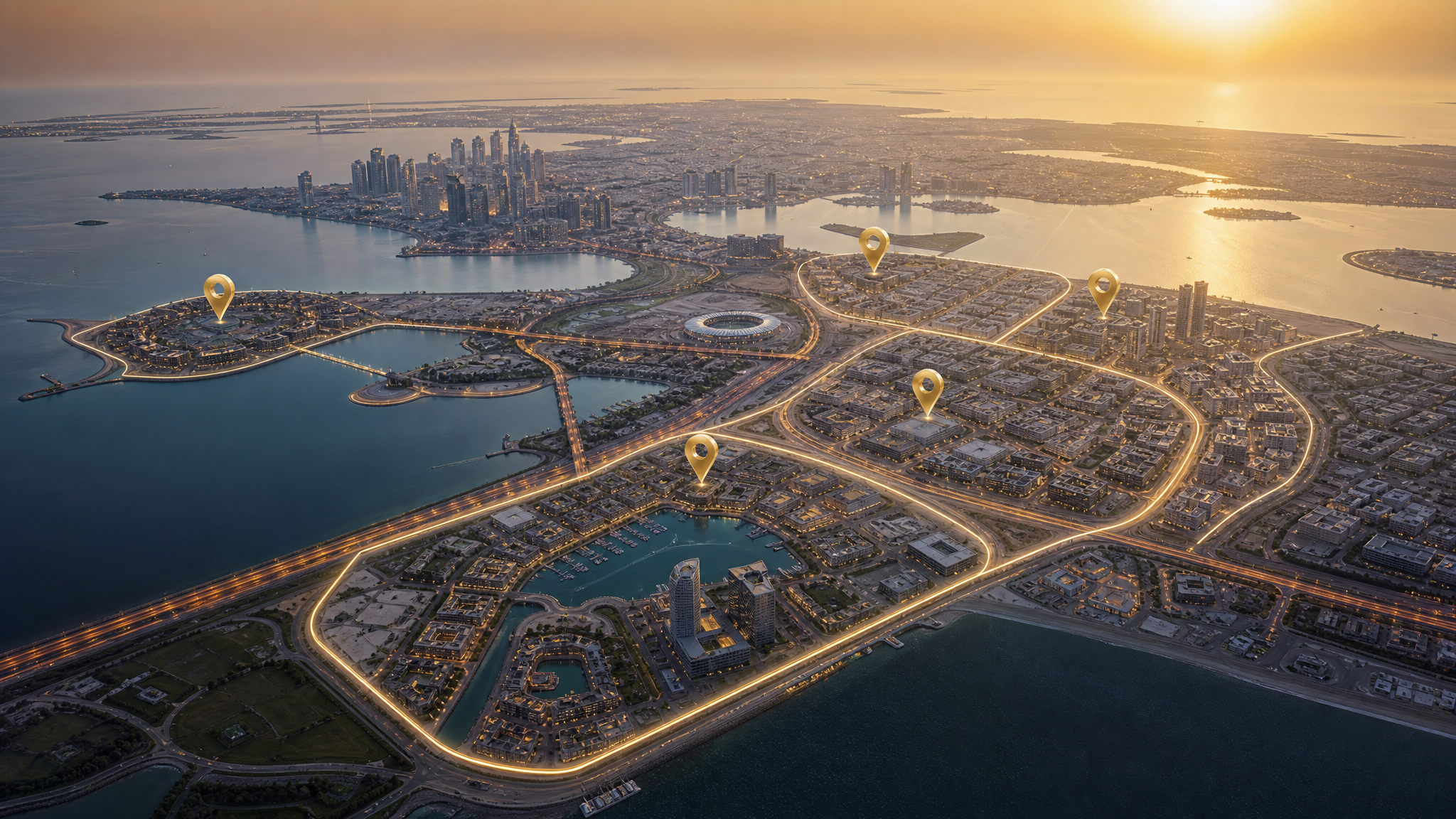
Under the revised framework, non-Qataris may own real estate in the following designated freehold zones:
- West Bay (Legtaifiya Area)
- The Pearl Island
- Al Khor Resort
- Al Dafna Administrative Area Zone 60
- Al Dafna Administrative Area Zone 61
- Onaiza Administrative Area
- Lusail
- Al Kharayej
- Jabal Thuaileb
- Simaisma Resort and Beach Project
The inclusion of Simaisma Resort and Beach Project is one of the most notable updates and reflects Qatar’s continued focus on tourism, waterfront developments, and long-term investment opportunities.
Understanding Freehold Ownership in Qatar

One of the most common questions international buyers ask is whether foreign ownership in Qatar is truly freehold. The answer is yes, in designated ownership zones.
According to the Ministry of Justice, freehold ownership allows non-Qataris to own property without time limitations. Owners may sell, lease, mortgage, transfer, or use the property for personal or investment purposes. These rights are comparable to ownership structures found in many mature international property markets.
This legal certainty remains one of Qatar’s strongest advantages for overseas investors evaluating opportunities across the GCC.
Freehold vs Usufruct Rights
Another important distinction involves freehold ownership and usufruct rights. Freehold ownership provides permanent ownership rights within designated zones. Usufruct rights provide long-term use rights, typically for up to 99 years, without transferring permanent ownership of the land itself. Qatar maintains both structures to accommodate different investment strategies and development objectives.
For most international buyers seeking capital appreciation, rental income, or family residency benefits, freehold zones remain the preferred option.
Residency Benefits Linked to Property Ownership
Qatar’s real estate ownership framework also offers residency-related advantages.
According to the Ministry of Justice:
- Property investments of at least QAR 730,000 may qualify buyers for renewable residency permits without requiring a local sponsor.
- Property investments of at least QAR 3.65 million may qualify owners for benefits associated with permanent residency privileges, subject to applicable conditions.
These provisions continue to attract investors looking for both asset ownership and long-term residency options within Qatar.
What This Means for Investors in 2026
Several trends make the timing particularly significant.
Qatar continues to benefit from infrastructure investments, international connectivity through Hamad International Airport, expanding tourism initiatives, and ongoing economic diversification under Qatar National Vision 2030.
The revised ownership framework provides additional confidence to international buyers by clarifying eligible ownership zones and reinforcing regulatory transparency. For investors comparing opportunities across the Gulf, legal certainty remains a major factor when allocating capital.
Areas Receiving Strong Investor Attention
Many investors searching for opportunities near major business districts and lifestyle destinations continue to focus on:
- The Pearl Island
- Lusail
- West Bay
- Onaiza
- Al Kharayej
- Simaisma’s emerging waterfront developments
These locations combine accessibility, modern infrastructure, retail amenities, and proximity to employment centers, making them attractive for both owner-occupiers and investors seeking rental demand.
How FGREALTY Can Help
Understanding ownership regulations is only the first step. Selecting the right property, evaluating investment potential, navigating legal procedures, and identifying opportunities within approved ownership zones require local expertise.
FGREALTY helps international buyers explore opportunities across The Pearl Island, Lusail, West Bay, Qetaifan Island North, Gewan Island, and other designated investment destinations. Whether your goal is capital appreciation, rental income, residency benefits, or long-term portfolio diversification, FGREALTY agents provide market insights and end-to-end support throughout the acquisition process.
Contact FGREALTY today to explore available properties within Qatar’s newly updated foreign ownership zones.
FAQs
Q: Can foreigners buy property in Qatar?
A: Yes. Non-Qataris can purchase property in designated freehold ownership zones approved by the government.
Q: Which areas allow foreign ownership in Qatar?
A: The updated 2026 regulations designate ten ownership zones, including The Pearl Island, Lusail, West Bay, Onaiza, Al Dafna, Al Kharayej, Jabal Thuaileb, Al Khor Resort, and Simaisma Resort and Beach Project.
Q: Does buying property in Qatar provide residency?
A: Property ownership may qualify investors for residency benefits, depending on investment value and eligibility requirements.
Q: What is the difference between freehold and usufruct ownership?
A: Freehold ownership grants permanent ownership rights. Usufruct ownership provides long-term use rights, generally for up to 99 years.