Future Outlook: Qatar vs UAE — Urban Growth, Real-Estate Trends, Work & Immigration Policies

Key Takeaways
- Recent data shows Qatar’s real-estate market surged significantly — Q2 2025 saw QR 8.9 billion in transactions, up 29.8 % from Q2 2024.
- Qatar offers regulated foreign-ownership zones where non-nationals can own apartments, offices, or retail units under current law(s), providing a clearer legal framework for international investors.
- In the UAE (notably Dubai), analysts predict a possible price correction of up to 15 % over the next 12–18 months due to rising supply, which may create an opportunity for selective buyers or renters.
- For expats and investors, long-term value depends less on hype and more on infrastructure, legal stability, transport connectivity, and sustainable demand — factors where Qatar shows strength today.
- For those exploring apartments for rent in Doha, properties for sale in Lusail, or investments in emerging zones, FGREALTY provides up-to-date listings, legal guidance, and local expertise to help you decide wisely.
Introduction
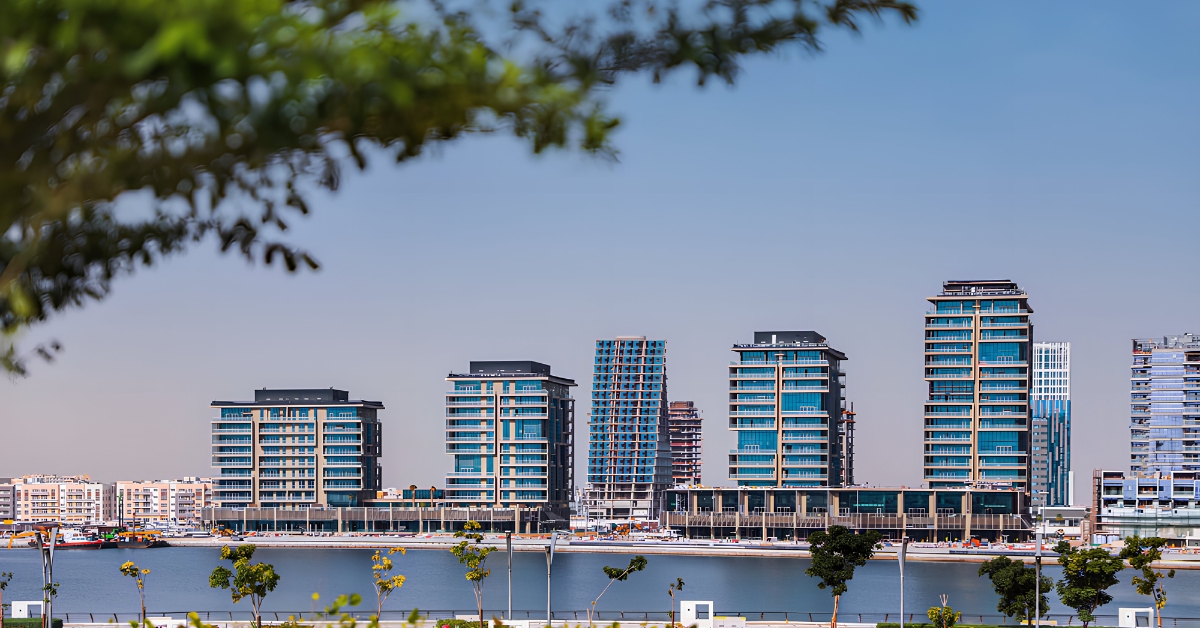
Qatar and the UAE continue to position themselves as leading property and business hubs in the Gulf. With varying economic strategies, urban expansion plans, and immigration reforms, both attract investors, expats, and companies. But how do they compare — and what should a global buyer, renter, or relocating professional expect?
This comparative overview uses recent data and credible industry reports to map out the future of urban growth, real estate trends, job markets, and residency regulations in Qatar and the UAE. Where possible, we anchor statements in verified statistics; where projections are involved, we clearly mark them as market outlooks.
Urban Growth & Infrastructure: Cities Expanding Differently

Qatar’s Planned Expansion
- Qatar has recorded robust property activity — QR 8.9 billion in real-estate transactions during Q2 2025, marking a 29.8 % YoY rise.
- Key municipalities leading this growth include Doha and Al Rayyan, supported by rising demand in districts such as The Pearl & Lusail.
- Law reforms instituted in 2025 have reinforced foreign-ownership rights and provided a transparent property law framework, including usufruct and freehold-equivalent rights in designated zones.
UAE’s (Especially Dubai’s) Urban Momentum & Caution Flags
- The UAE continues large-scale urban development across Dubai, Abu Dhabi, and other emirates. However, a recent forecast by a leading ratings agency warns of a potential 15 % drop in residential property prices due to oversupply.
- For investors and renters, this could mean more leverage in selecting properties — but also increased risk, especially in non-prime areas.
What This Means for Residents and Investors
- In Qatar, newly developed zones and regulated ownership laws make emerging districts potentially attractive for stable long-term growth.
- In the UAE, buyers or renters need to carefully select properties (preferably in established, high-demand areas) to avoid risk from oversupply-driven corrections.
- Infrastructure quality, public transport, access to services, and future urban planning should weigh heavily in real-estate decisions for both markets.
Real Estate Market Trends & Investor Dynamics
Qatar’s Real Estate Market — Data-Backed Stability
- Residential property sales in Q2 2025 accounted for a substantial portion of total deals, reflecting strong housing demand.
- Foreign investors benefit from the 2025 regulatory update that allows property ownership or usufruct in designated zones like Lusail, The Pearl, West Bay, and others.
- Market observers note increasing appetite for premium apartments and mixed-use developments, especially in waterfront and well-connected districts.
UAE Market: Opportunity — With Caution
- Immigration, favorable tax and visa policies, and heavy infrastructure investment drove Dubai’s property boom over recent years.
- With a large number of new units expected to be delivered soon, analysts expect a market correction.
- This may open windows for investors and end-users looking for value purchases — especially in mid-range apartments or undervalued segments.
Investor Takeaway
- For long-term investors seeking stable returns with moderate risk, Qatar offers a relatively transparent and regulated environment, especially in freehold-eligible zones.
- Investors in the UAE must be selective: prime-location properties may hold value better than speculative off-plan or oversupplied segments.
Work, Employment, and Residency Policies for Expats
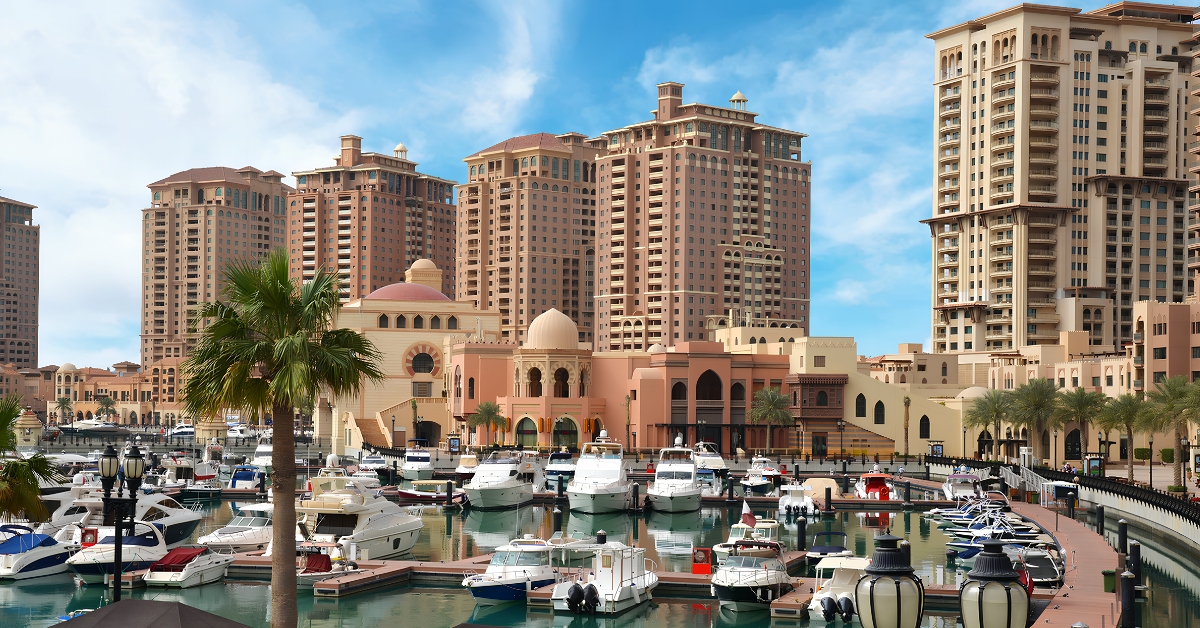
Qatar: Legal Clarity, Ownership + Residency Appeal
- Recent laws strengthen foreign ownership, enabling non-Qataris to own properties in approved zones with usufruct or freehold-like rights.
- These reforms improve transparency and long-term security for investors and expatriates considering relocation.
- While current residency is based on work or sponsorship, the improved property-ownership laws may gradually lead to more interest from global buyers seeking stable residency-linked investments.
UAE: Visa Reforms and Flexible Residency Options
- The UAE maintains a diversified immigration and residency strategy with Golden Visas, freelance permits, and investor-linked visas. This continues to attract global talent, entrepreneurs, and expats seeking lifestyle flexibility. (Standard market knowledge)
- However, rising supply in real estate and potential market correction mean expats and investors must carefully consider long-term stability and employment prospects.
What Clients Should Consider
- Ownership laws: clarity, rights, and protections matter more than hype.
- Stability: stable regulation in Qatar may offer lower volatility compared with rapidly shifting high-supply markets elsewhere.
- Demand supply balance: rental demand, occupancy levels, and sustainable economic sectors (e.g., tech, services, infrastructure) will drive long-term value — not short-term speculation.
How FGREALTY Supports Informed Decisions
- At FGREALTY, we track regulation changes, market data, and urban growth to curate listings that align with long-term value.
- If you’re looking for properties for rent in Qatar, properties for sale in Lusail, or investment-grade real estate, we offer verified property portfolios and comprehensive advisory to help you navigate between market opportunities and risks.
- Our agents prioritize transparency and data-driven advice so you can make informed decisions, whether you’re an expat, investor, or corporate client seeking stability.
FAQs
Q: Does Qatar allow non-nationals to own property?
A: Yes. Under the revised real estate law, non-Qataris can own apartments, offices, or retail units in designated zones or obtain long-term usufruct rights (renewable and inheritable).
Q: Should I be cautious investing in Dubai/UAE real estate now?
A: There are strong indicators of possible price correction (up to 15%) due to oversupply, as forecast by a leading ratings agency.
Q: Which market is better for long-term rental yield and stability — Qatar or the UAE?
A: For stability and regulatory clarity, Qatar appears favorable. For speculative gains or a flexible lifestyle, select prime areas in the UAE may still offer opportunity — but risk is higher.
Q: How can I ensure my real-estate investment remains secure long-term?
A: Choose properties in well-regulated zones, prioritize infrastructure connectivity, verify title and ownership rights, and consider demand-supply balance. FGREALTY can guide you through all these steps.