Why Some Investors Are Shifting Focus from Dubai to Emerging Districts in Doha

Key Takeaways
- Some investors are reassessing Dubai exposure due to pricing compression and yield normalization
- Doha’s emerging districts offer lower entry points supported by long-term infrastructure planning
- Qatar’s regulatory clarity and residency-linked ownership options support long-horizon investment strategies
- Investor interest is increasingly focused on stability and capital preservation rather than short-term appreciation
Introduction and Market Context
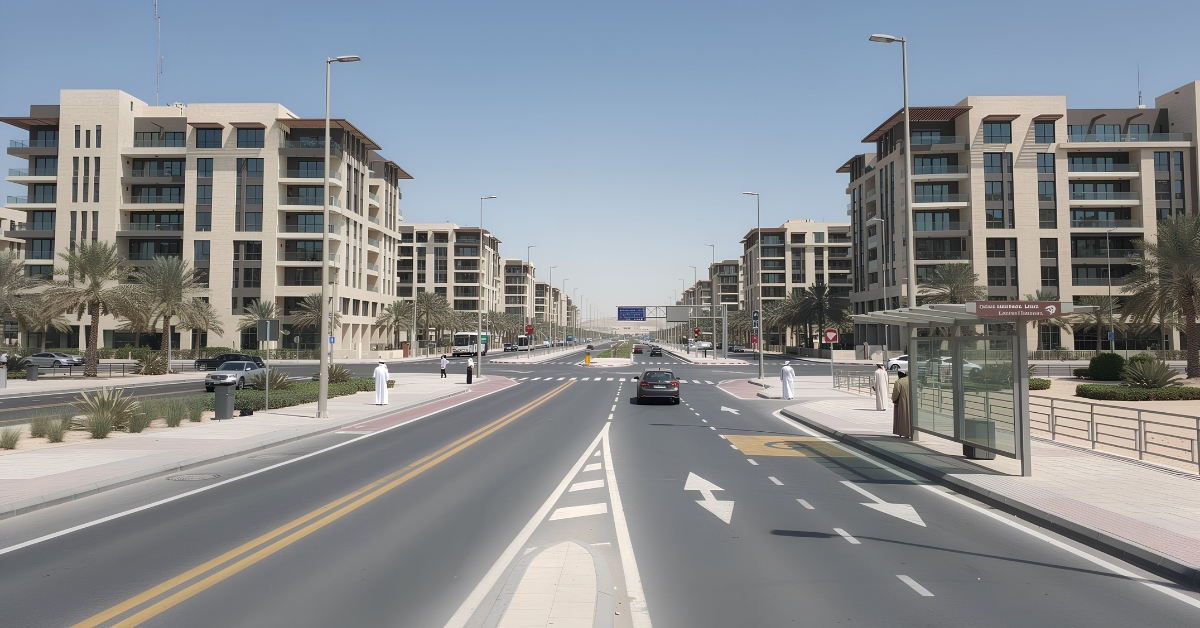
Over the past decade, Dubai has dominated regional real estate investment flows, particularly among international buyers seeking liquidity and scale. However, recent market behavior shows that a segment of investors is actively diversifying away from fully priced markets and toward cities offering earlier-stage growth with structural stability. Doha is increasingly part of that conversation.
This shift is not driven by sentiment or short-term speculation. Instead, it reflects a reassessment of risk, pricing, and long-term fundamentals. Qatar’s real estate market operates on a different growth model, one centered on controlled supply, infrastructure-led development, and residency-driven demand rather than transaction velocity.
Pricing Dynamics and Entry Point Considerations
One of the most cited reasons investors explore Doha is relative pricing. According to regional market data published by ValuStrat and publicly referenced by Qatar’s Planning and Statistics Authority, average residential prices in Doha remain significantly lower than prime and secondary markets in Dubai.
Lower entry points allow investors to deploy capital with reduced downside exposure, particularly in districts still benefiting from infrastructure delivery rather than post-peak pricing. For long-term holders, this pricing structure supports capital preservation more than aggressive appreciation assumptions.
Yield Stability Versus Yield Compression
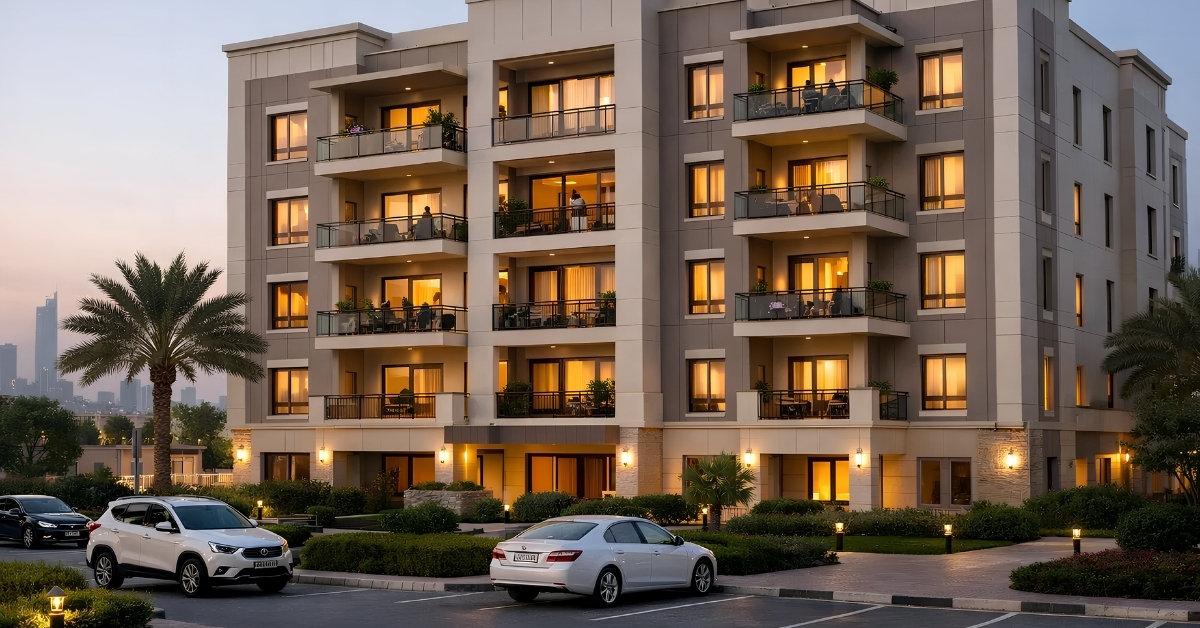
In mature markets such as Dubai, rental yields have gradually compressed as asset prices rose faster than rental growth. In contrast, Doha’s residential yields tend to remain more stable due to:
- Moderated supply releases
- Long-term lease structures
- Corporate and government-linked tenancy demand
Infrastructure-Led District Development
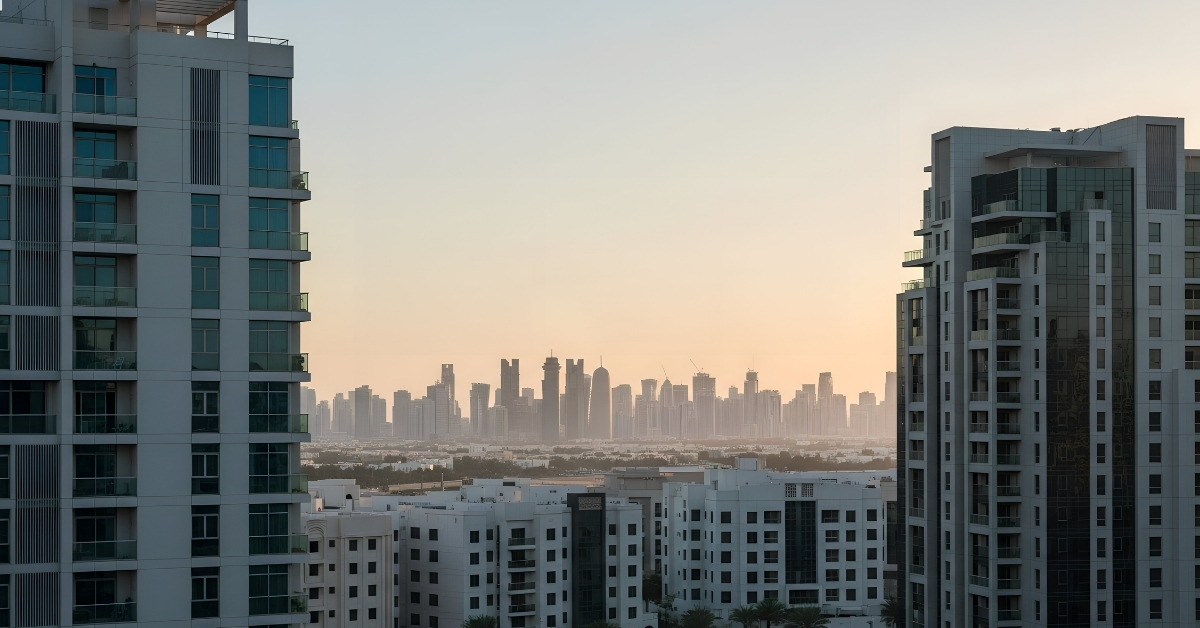
Emerging districts in Doha are typically launched alongside confirmed infrastructure investments rather than speculative expansion. Lusail City, Al Wakrah extensions, and selected zones in Al Rayyan are developed in parallel with transport, utilities, and public services, as outlined by the Ministry of Municipality.
This sequencing reduces the risk of underutilized assets and supports sustained residential demand. Investors increasingly prioritize districts with completed or near-complete infrastructure rather than future promises.
Regulatory Environment and Ownership Structure
Qatar’s real estate regulatory framework has evolved steadily, with clear freehold and usufruct ownership zones for non-Qatari investors.
Unlike high-turnover markets, Qatar’s registration system emphasizes ownership clarity and legal certainty, factors that appeal to institutional and family office investors seeking long-term exposure.
Residency, Workforce, and Demand Drivers
Another factor influencing investor behavior is demand quality. Residential demand in Doha is strongly linked to:
- Government and energy sector employment
- Corporate relocations and regional headquarters
- Long-term expatriate residency
- Global events
According to the labor and population data, population growth in Qatar is closely aligned with employment and infrastructure capacity rather than speculative migration. This alignment supports consistent occupancy rather than volatile rental cycles.
What This Means for Investors

The shift from Dubai to Doha does not represent an exit from one market in favor of another. Instead, it reflects portfolio rebalancing. Investors seeking:
- Lower price volatility
- Infrastructure-backed districts
- Long-term residency demand
are increasingly allocating a portion of capital to Doha’s emerging residential zones.
How FGREALTY Supports Cross-Market Investors
FGREALTY works with international investors evaluating Qatar as part of a broader GCC strategy. Our advisory services include:
- Comparative market insights between Doha and Dubai
- Verified listings in emerging and infrastructure-backed districts
- Area-level guidance aligned with long-term planning frameworks
Our agents help investors move beyond headlines and assess real, data-supported opportunities in Qatar’s residential market.
FAQs
Q: Are investors leaving Dubai entirely for Doha?
A: No. Most are diversifying rather than exiting, balancing mature and emerging market exposure.
Q: Which Doha districts attract investor interest?
A: Lusail City, Al Wakrah, and select Al Rayyan zones with completed infrastructure.
Q: Is Doha suitable for short-term speculation?
A: Qatar’s market favors long-term holding strategies over rapid resale cycles.
Q: How can investors compare districts objectively?
A: By reviewing infrastructure status, transaction data, and occupancy trends with professional guidance.