Public Transport vs Private Car in Doha: Long Term Cost and Practical Realities
Key Takeaways
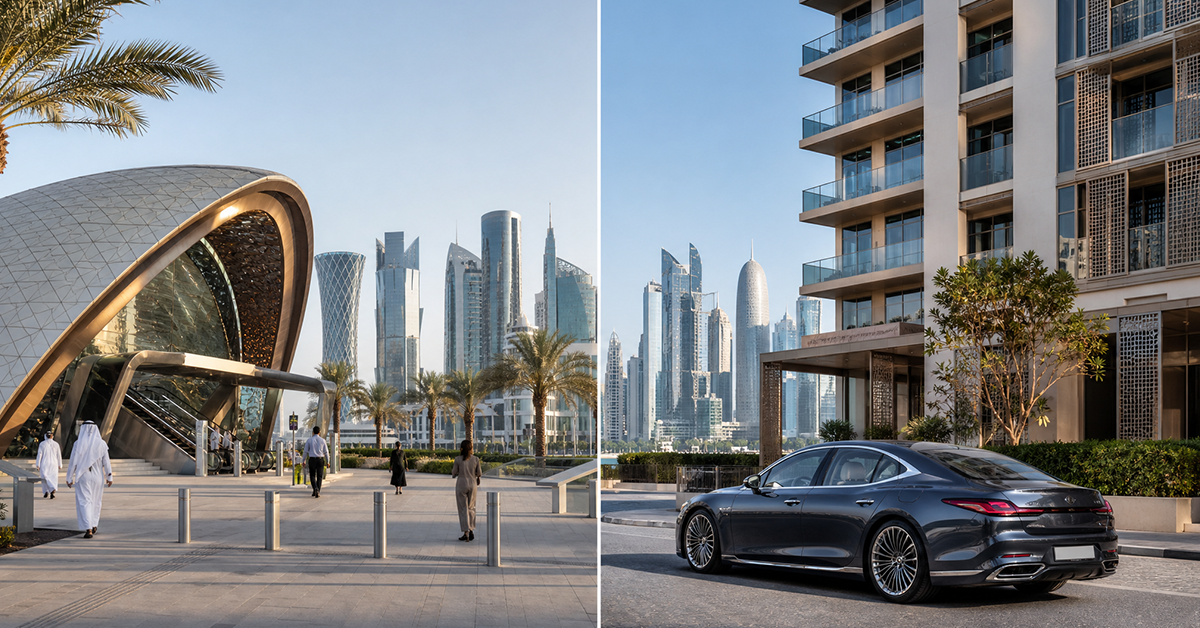
- Public transport in Doha offers low fixed monthly costs and expanding coverage across key districts
- Private car ownership provides flexibility but involves higher long-term expenses, including fuel, insurance, and maintenance
- The Ministry of Transport Qatar continues to expand metro and bus networks under national mobility plans
- Data from the Qatar Central Bank indicates stable fuel pricing due to currency and economic controls
- Accessibility to metro stations and major roads directly influences residential demand and rental pricing
Introduction: Understanding Resident Intent in Doha
Residents and investors are not only comparing rent and property prices. They are evaluating commute time, accessibility, and total living costs.
In Doha, transport choices shape daily life and long-term expenses. Whether choosing public transport or private vehicles, the decision directly impacts where people choose to live and invest.
This has made transport infrastructure a key factor in real estate demand.
Qatar Real Estate Context and Mobility Infrastructure
Qatar’s urban planning integrates transport development with residential expansion under Qatar National Vision 2030.
The Qatar Rail operates the Doha Metro, which connects major districts including West Bay, Lusail, and Al Wakrah. Additionally, Karwa bus services managed by Mowasalat provide extensive coverage across residential zones.
This integrated system has started influencing where people prefer to live.
Cost Comparison: Public Transport vs Private Car
Public Transport Costs
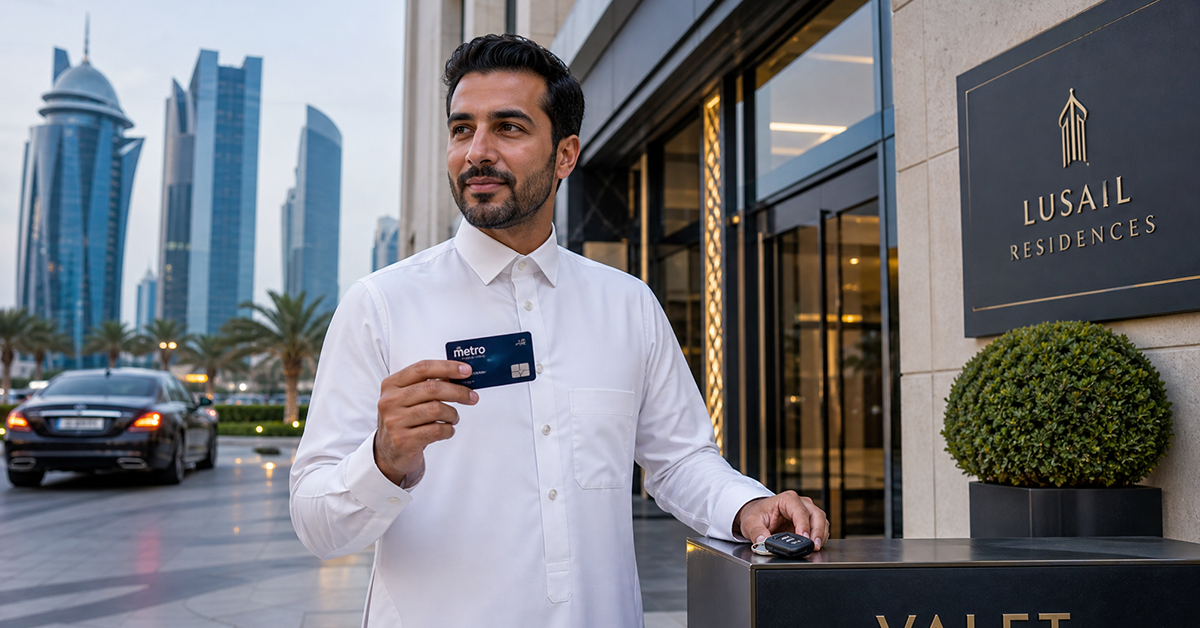
Public transport remains one of the most affordable options in Doha.
Typical cost structure includes:
- metro fares starting from low fixed rates per journey
- monthly travel cards for frequent users
- subsidized pricing supported by government infrastructure investment
The metro system is designed to provide cost-efficient mobility across the city. This makes it particularly attractive for professionals and younger residents.
Private Car Ownership Costs
Owning a car in Doha involves several recurring expenses.
Key cost components include:
- fuel costs, although relatively low due to Qatar’s energy sector
- vehicle insurance regulated by national policies
- maintenance and servicing
- registration and depreciation
While fuel prices remain stable due to oversight from Qatar Central Bank and national energy policies, total ownership costs accumulate over time.
For long-term residents, this becomes a significant financial consideration.
Practical Realities: Convenience vs Efficiency
Flexibility of Private Cars
Private vehicles offer unmatched flexibility.
Residents can:
- access areas not directly connected by metro
- manage family routines more efficiently
- travel without schedule constraints
This is particularly relevant for families living in suburban areas such as Al Waab or Al Thumama.
Efficiency of Public Transport
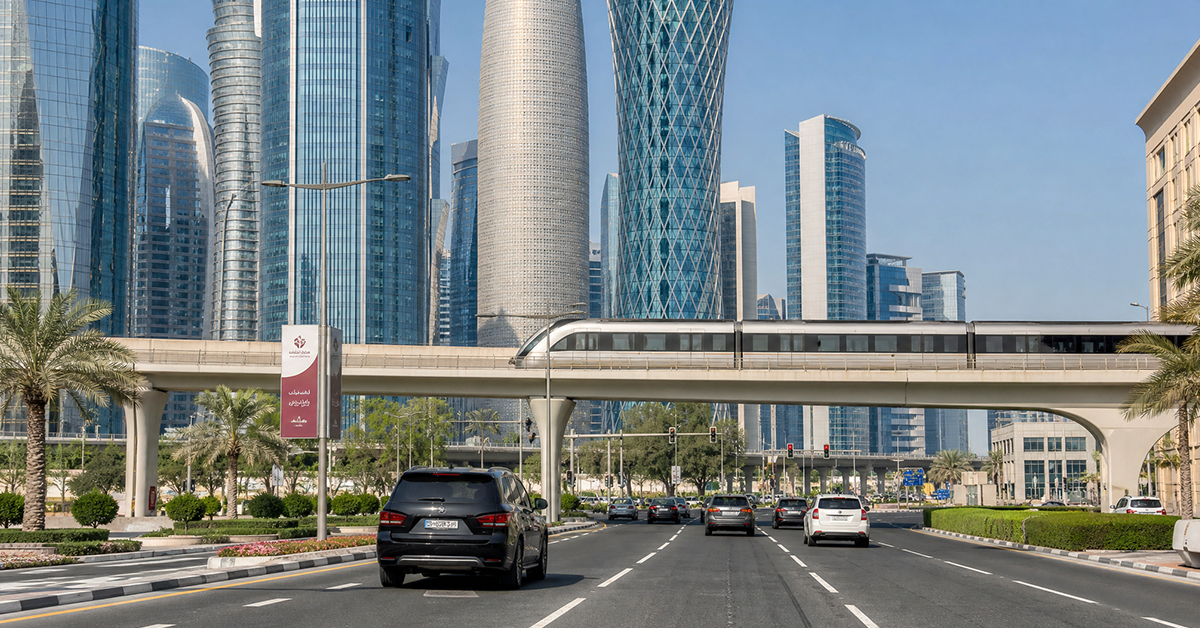
Public transport offers predictable commute times, especially during peak traffic hours. The Doha Metro connects key business and residential districts efficiently, reducing reliance on road traffic.
Research from international transport studies shows that metro-connected areas often experience reduced commute stress and improved lifestyle convenience.
Impact on Residential Demand
Properties located near metro stations have seen increased demand. Areas such as West Bay, Lusail City, and Msheireb Downtown Doha benefit from strong connectivity. Areas with strong highway access also remain attractive.
Locations near major roads provide:
- faster inter-district travel
- convenience for daily commuting
- accessibility to commercial hubs
This supports demand in areas not directly served by metro lines.
Long-Term Financial Considerations
When comparing both options over several years, the difference becomes clear.
Public transport:
- lower monthly expenses
- minimal upfront cost
- predictable budgeting
Private car:
- higher cumulative costs
- depreciation risk
- additional maintenance burden
However, value depends on lifestyle needs. Families often prioritize convenience, while individuals may prioritize cost efficiency.
How FGREALTY Supports Your Property Search
FGREALTY helps clients identify properties aligned with their transport preferences and lifestyle needs.
Whether you are exploring:
FGREALTY agents provide data-backed insights on commute patterns, demand trends, and long-term value. We help you choose locations that match both budget and daily mobility requirements.
FAQs
Q: Is public transport reliable in Doha?
A: Yes, the Doha Metro and Karwa bus network provide efficient and affordable connectivity across major districts.
Q: Is owning a car expensive in Qatar?
A: Fuel is relatively affordable, but insurance, maintenance, and depreciation increase long-term costs.
Q: Which areas are best for public transport access?
A: West Bay, Lusail, and Msheireb offer strong metro connectivity.
Q: Do transport options affect property prices?
A: Yes, proximity to metro stations and major roads significantly influences demand and rental value.