Financial System Stability in Qatar: Why Banking Strength Matters for Property Investors

Key Takeaways
- Qatar’s banking sector remains well capitalized with strong liquidity ratios, supported by the Qatar Central Bank and international regulatory standards.
- Credit rating agencies such as Moody’s and S&P Global highlight the resilience of Qatar’s financial system despite regional and global economic fluctuations
- Stable access to financing and mortgage availability support real estate demand across residential and investment segments
- Government-backed banking stability reduces systemic risk for property investors
- Strong institutional oversight ensures transparency and reliability in financial transactions
Introduction: Why Financial Stability Is Critical for Real Estate
For global investors, the strength of a country’s financial system is a key factor when evaluating real estate markets. Property investment is closely tied to banking stability, access to credit, and overall economic resilience.
Qatar’s real estate sector operates within a financial environment that is consistently rated stable by international institutions. This stability supports investor confidence, ensures liquidity in the market, and enables long-term planning.
Investors are increasingly searching for markets where financial systems are resilient and capable of supporting property investments through economic cycles.
Qatar’s Banking Sector Strength
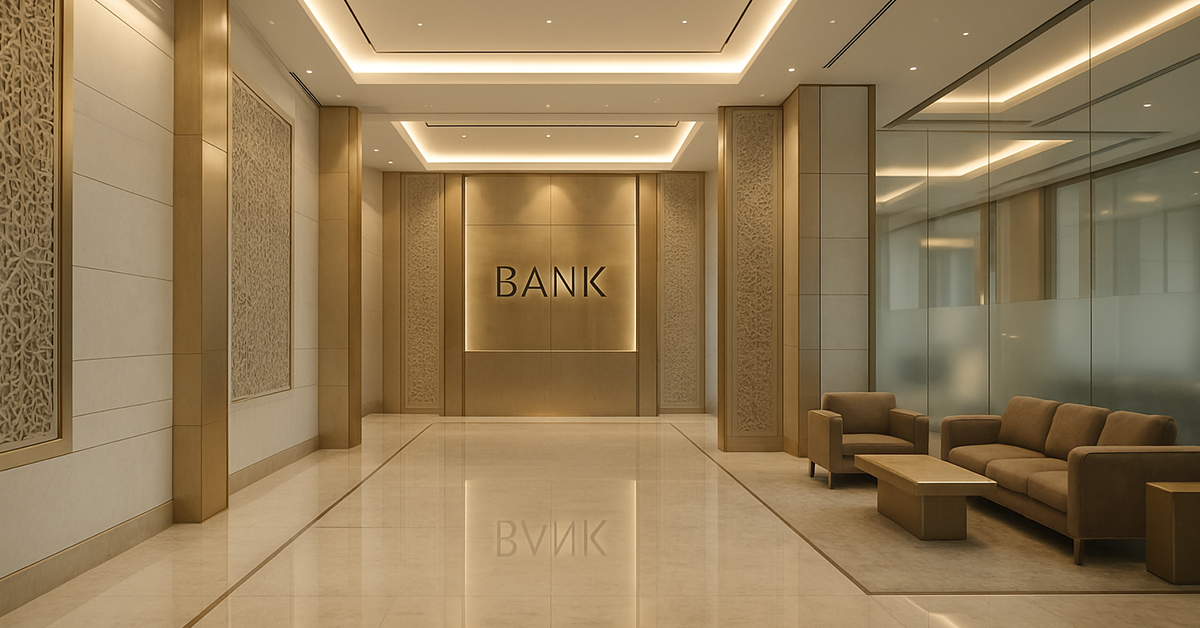
Global credit rating agencies, including Moody’s and S&P Global Ratings, consistently assign stable outlooks to Qatar’s banking sector. These assessments highlight strong asset quality, government backing, and prudent risk management practices.
Such ratings are critical indicators for international investors, as they reflect the overall health of the financial system supporting real estate transactions.
Regulatory Oversight and Risk Management
Compliance with International Standards
Qatar’s financial system aligns with global regulatory frameworks such as Basel III standards. These standards require banks to maintain strong capital buffers and manage risk effectively.
Compliance with international benchmarks increases confidence among foreign investors who seek predictable and regulated financial environments.
Impact on Real Estate Financing
Mortgage Accessibility for Investors
A stable banking system directly influences mortgage availability. In Qatar, banks offer structured financing options for both residents and eligible foreign investors.
This accessibility supports demand for residential properties, particularly in key areas such as Lusail, The Pearl, and West Bay.
Consistent lending practices also contribute to steady transaction volumes in the real estate sector.
Interest Rate Stability and Planning
While interest rates are influenced by global monetary conditions, Qatar’s financial system ensures that lending remains structured and predictable.
For investors, this allows better financial planning when purchasing property, especially in long-term investment strategies.
Protection Against Market Volatility
Government Backing and Financial Support
Qatar’s government has historically supported the banking sector during periods of global financial stress. This includes liquidity injections and policy measures to maintain stability.
Such interventions reduce systemic risk and ensure that the real estate market continues to function efficiently even during external economic pressures.
Resilience During Global Disruptions
International financial assessments confirm that Qatar’s banking sector has maintained stability through global events such as economic downturns and regional uncertainties.
For property investors, this resilience translates into a lower risk environment where asset values are less likely to be impacted by financial instability.
What This Means for Real Estate Investors

Financial system stability is directly linked to the performance and reliability of real estate markets. In Qatar, strong banking fundamentals support consistent property demand, stable financing conditions, and long-term value preservation.
This reflects a shift toward markets where institutional stability supports investment decisions rather than short-term speculation.
How FGREALTY Supports Investors in Qatar
FGREALTY provides expert guidance for investors navigating Qatar’s real estate market within a stable financial environment.
Whether you are exploring
FGREALTY agents help you understand financing options, regulatory frameworks, and market conditions to support confident investment decisions.
FAQs
Q: Why is banking stability important for real estate investment?
A: A strong banking system ensures access to financing, stable lending conditions, and reduced risk of market disruptions.
Q: Is Qatar’s banking sector considered stable?
A: Yes, international institutions such as the IMF and global rating agencies consistently highlight Qatar’s banking sector as stable and well-regulated.
Q: Can foreign investors access mortgages in Qatar?
A: Yes, subject to eligibility criteria, banks in Qatar offer financing options for expatriates and international buyers.
Q: How does financial stability impact property prices?
A: Stable financial systems support consistent demand and reduce volatility, contributing to steady property values over time.