Qatar Real Estate Stability: What the Latest Data Signals for Global Investors
Key Takeaways
- Weekly real estate transactions in Qatar consistently exceed QAR 1 billion, according to Ministry of Justice data.
- Property activity remains strong across Doha, Al Rayyan, and Al Daayen, indicating broad market participation.
- Demand in prime districts such as The Pearl and Lusail continues to hold steady with high occupancy levels.
- Government data transparency and regular reporting strengthen investor trust and market predictability.
- Stable transaction volumes reflect real demand rather than speculative activity, supporting long-term market confidence.
Introduction: Why Real Estate Data Matters for Investors
For global investors evaluating new markets, real estate data offers one of the clearest indicators of stability and risk. Transaction volumes, pricing trends, and geographic distribution of activity reveal whether a market is driven by real demand or short-term speculation.
In Qatar, recent official figures point toward a structured and stable real estate environment. Consistent transaction values, active municipalities, and sustained demand in key districts indicate that the market is functioning on strong fundamentals rather than volatility.
Consistent Transaction Volumes Reflect Market Stability
Sustained Weekly Activity Above QAR 1 Billion
Data released by Qatar’s Ministry of Justice shows that weekly real estate transactions frequently surpass QAR 1 billion. This level of consistency is significant because it reflects ongoing buyer and investor participation rather than isolated high value deals.
For investors, this means the market is liquid enough to support entry and exit strategies without sudden disruptions.
Broad Distribution Across Municipalities
Transaction activity is not limited to a single district. Municipalities such as Doha, Al Rayyan, and Al Daayen consistently record high volumes. This spread reduces geographic risk and shows that demand is supported by multiple residential and commercial zones.
A diversified transaction base is a strong signal of market maturity.
Demand Patterns in Prime Residential Areas
Stable Occupancy in Key Districts
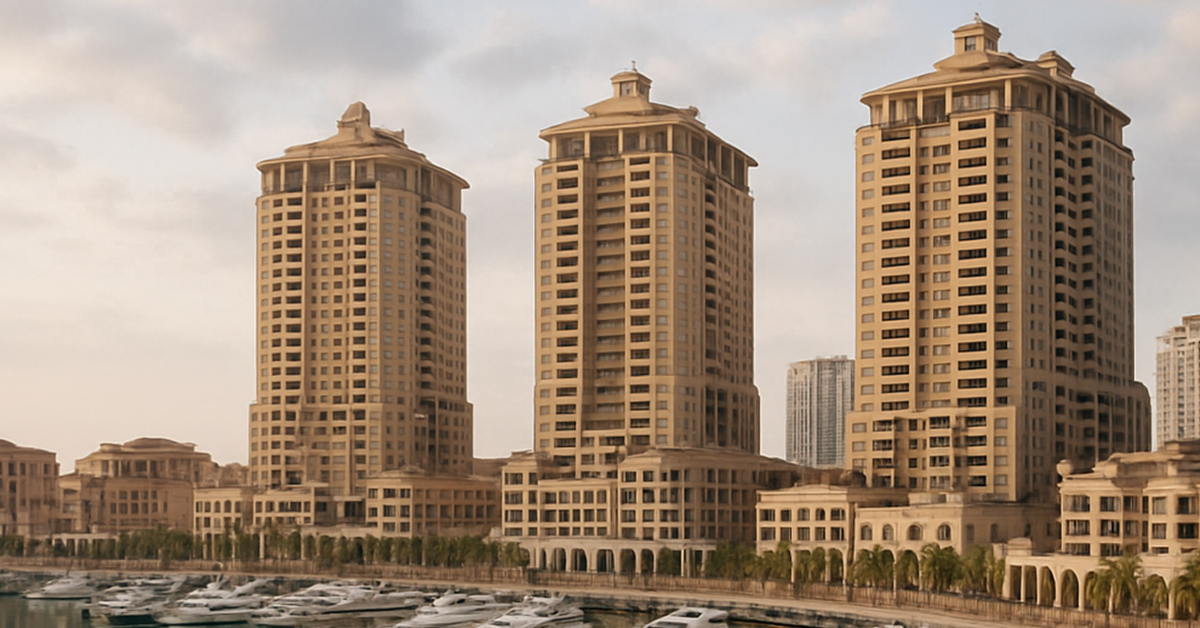
High demand continues in areas such as The Pearl, Lusail, and West Bay. These districts attract expatriates, professionals, and long-term residents due to infrastructure, amenities, and accessibility.
Rental occupancy levels remain stable, which supports consistent returns for property owners.
Lifestyle Driven Property Demand
Demand in Qatar is increasingly driven by lifestyle factors rather than speculation. Waterfront living, integrated communities, and proximity to business districts continue to influence buyer decisions.
This shift toward end-user demand adds stability to pricing and reduces volatility.
Transparency and Data-Driven Governance
Regular Public Reporting
Qatar’s real estate sector benefits from transparent reporting systems where transaction data is published regularly by government authorities. This allows investors to track trends, evaluate performance, and make informed decisions based on verified information.
Digitalization of Property Processes
Ongoing improvements in digital registration and transaction systems are enhancing efficiency and reducing administrative complexity. For international investors, this creates a smoother entry process and reinforces confidence in the system.
Financial Indicators Supporting Market Confidence
Alignment with National Development Plans
Qatar’s real estate activity aligns closely with broader national development strategies focused on urban expansion and infrastructure growth. This ensures that property demand is supported by real economic activity, including population growth, business expansion, and tourism development.
Stable Performance from Major Developers
Leading real estate developers in Qatar continue to report stable revenues supported by leasing demand and property sales. This indicates that the market is not experiencing sharp corrections but maintaining steady performance across key segments.
What Investors Are Asking Right Now

Investors frequently ask whether Qatar’s real estate market is stable in 2026. Consistent transaction data, stable occupancy rates, and balanced demand across multiple districts support the answer. Another common question relates to pricing trends. While some areas have seen moderate adjustments, prime locations continue to maintain strong value due to sustained demand.
There is also growing interest in whether Qatar offers long-term security. With transparent systems, regulated ownership zones, and consistent reporting, the market provides a structured investment environment.
Areas Showing Continued Strength
- The Pearl for waterfront living and high-end investment demand
- Lusail City for modern infrastructure and planned urban expansion
- West Bay for proximity to commercial and business hubs
- Al Wakrah for emerging residential demand and value-driven options
How FGREALTY Supports Investors in Qatar
FGREALTY provides verified listings and expert advisory for clients exploring Qatar’s real estate market.
Whether you are searching for
- apartments for rent in Doha
- properties for sale in The Pearl
- luxury apartments for rent in Lusail City
FGREALTY agents ensure access to high-quality opportunities backed by real market insights.
FAQs
Q: Is Qatar’s real estate market stable in 2026?
A: Yes, consistent transaction volumes and strong demand across key areas indicate a stable and mature market.
Q: Are property prices increasing in Qatar?
A: Prices remain stable with steady demand in prime areas and balanced adjustments in emerging districts.
Q: What drives real estate demand in Qatar?
A: Demand is driven by infrastructure, expatriate population growth, and lifestyle-oriented developments.
Q: Which areas are best for investment?
A: The Pearl, Lusail, and West Bay remain top choices, while Al Wakrah offers value-based opportunities.