How Qatar’s Transport Infrastructure Shapes Rental and Investment Decisions

Key Takeaways
- Qatar’s transport projects — especially the Doha Metro and Lusail Tram — are reshaping residential demand by reducing commute times and improving accessibility across major districts.
- Neighborhoods with direct transit access, like Lusail, Msheireb Downtown, West Bay, and Al Sadd, are seeing stronger rental interest and investment value due to connectivity.
- Areas further from transit hubs are prompting property owners to enhance amenities or adjust pricing to stay competitive as tenants prioritize mobility.
- A comprehensive transport master plan, including electrification of buses and expanded tram lines, supports long-term urban growth and lifestyle improvements.
- Understanding transport-linked residential trends helps renters and investors make decisions aligned with mobility, lifestyle, and rental yield outcomes.
Introduction & Real Estate Context

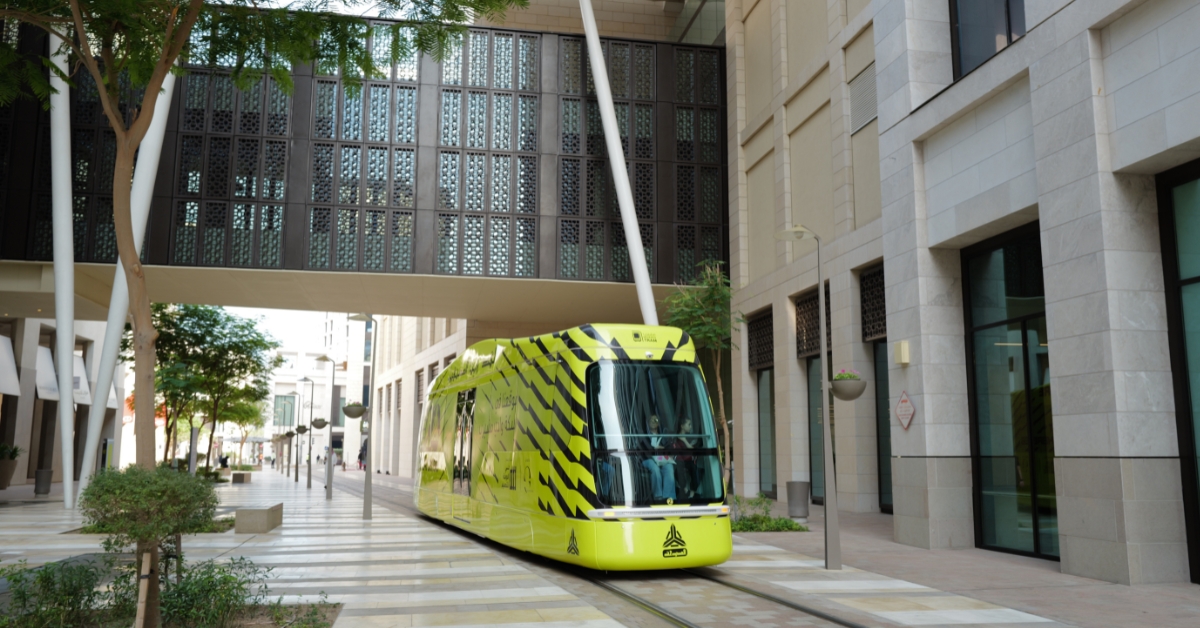
Qatar’s real estate sector continues to be shaped by strategic infrastructure investments that support both urban growth and quality of life. The expansion of Doha Metro — including current stations serving West Bay, Msheireb Downtown, Education City, and Hamad International Airport — has already altered how residents and investors view location and mobility. Complementary systems like the Lusail Tram, with multiple route lines across the planned city, further integrate residential areas with employment centers, retail hubs, and leisure zones.
These transport networks align with national plans to improve connectivity and support sustainable urban living, reflecting goals under wider infrastructure strategies that integrate public transit with road networks and future growth corridors. For renters and investors, proximity to efficient transport translates into shorter commutes, higher tenant demand, and enhanced property values — trends that are increasingly shaping real estate decisions across Qatar.
Transit Access and Rental Demand Patterns
How Metro Connectivity Drives Tenant Preferences
Tenants in Qatar — including young professionals, university students, and families — are prioritizing homes near major transit stops. Studies show that proximity to metro stations correlates with higher occupancy rates and rising rents, as commuters value convenience for work, education, and daily errands.
Areas like Lusail City — designed with integrated transit access via the Red Line and tram connectors — and Msheireb Downtown Doha have seen heightened interest from renters seeking seamless connectivity to central Doha, business hubs, and leisure amenities.
By contrast, districts that are more distant from major public transport hubs may not see the same rental momentum unless they enhance local amenities or offer competitive pricing — a pattern that underscores the strategic importance of transit-oriented development.
Transport’s Impact on Investment Value
Why Transit Proximity Enhances Investment Appeal
Investment decisions are increasingly influenced by accessibility and future infrastructure growth. Properties near transit stations are often perceived as having stronger long-term potential due to:
- Higher rental demand — tenants are willing to pay premiums for shorter commutes and better connectivity.
- Capital appreciation prospects — major transit corridors often attract commercial development and retail activity, enhancing neighborhood desirability.
- Mixed-use development growth — transport nodes frequently anchor developments that blend residential, office, and leisure spaces, creating vibrant, walkable districts.
This trend is evident in growth forecasts and planning strategies that prioritize connectivity as part of urban livability and economic resilience.
Broader Infrastructure Trends & Urban Planning
Qatar’s national efforts extend beyond rail transit to include electrified bus networks, expanded highways, and integrated planning that connects suburban communities with central districts. The transport master plan to 2050 emphasises sustainability, safety, multimodal transit, and enhanced linkage between residential areas and employment centres.
Electric bus integration and new tram routes are improving first- and last-mile connectivity, mitigating congestion on roads, and enhancing sustainable urban mobility. These developments bolster the attractiveness of neighborhoods along transit corridors, encouraging employers, residents, and investors to prioritize connected locations.
How FGREALTY Can Help You Align With Transport-Led Trends
At FGREALTY, we understand how transport infrastructure influences real estate decisions. Whether you’re exploring apartments for rent in Doha near metro stations, considering properties for sale in Lusail with tram connectivity, or wanting expert insight into investment neighborhoods linked to future transit expansions, our local agents provide data-backed guidance and verified listings tailored to your lifestyle or investment goals.
Our services include:
- Neighborhood assessments based on transit proximity
- Long-term rental and investment projections
- Property search support aligned with mobility needs
Talk to FGREALTY agents to find homes or investment properties that maximize transport convenience and long-term value.
FAQs
Q: How does transport infrastructure affect rental prices in Qatar?
A: Homes near transit hubs often command higher rents due to convenience, reduced commuting costs, and access to key amenities.
Q: Which areas in Qatar benefit most from transit-oriented development?
A: Neighborhoods with direct metro or tram access — such as Lusail, Msheireb Downtown, West Bay, and Al Sadd — show stronger rental demand and investment interest.
Q: Does public transport influence property investment decisions?
A: Yes — proximity to major transit networks often enhances capital appreciation prospects and rental yield stability.
Q: Are future transport expansions expected to impact property demand?
A: Planned expansions under long-term transport strategies are expected to further influence residential preferences and urban growth patterns.
Q: Can living near transit reduce overall living costs?
A: Yes — access to public transport can lower reliance on private vehicles, reducing fuel, parking, and vehicle maintenance costs for residents.