Qatar Growth Illuminated: Modern Districts for Families & Investors

Key Takeaways
- Qatar is entering 2026 with strong infrastructure, transport, and urban development pipelines aligned with long-term national planning frameworks.
- Modern districts such as Lusail, West Bay, The Pearl-Qatar, and selected Al Rayyan communities continue to attract both families and investors due to connectivity and amenities.
- Residential demand is supported by corporate expansion, population stability, and residency-linked ownership frameworks.
- Government-led diversification and transparent real estate regulation continue to reinforce buyer confidence and long-term investment potential.
- Location quality, infrastructure access, and community planning matter more than short-term pricing cycles for long-term buyers.
Introduction & Market Context
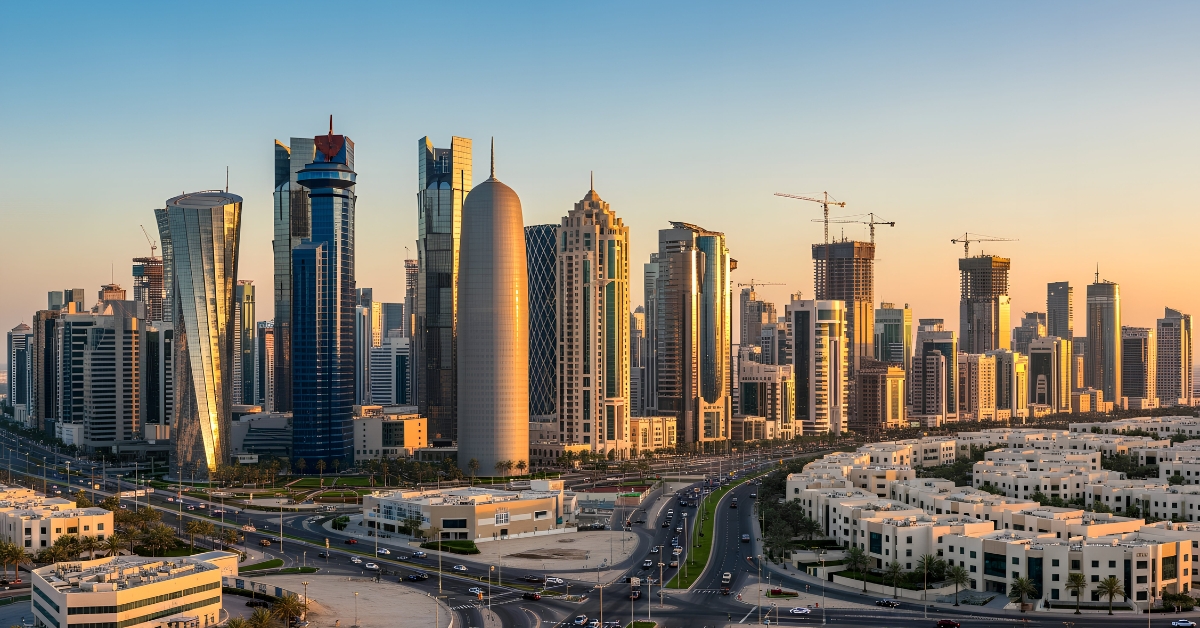
As Qatar approaches 2026, its real estate and urban landscape reflect a transition from rapid event-led expansion to structured, long-term growth. National development strategies, large-scale infrastructure investments, and continued population inflows tied to corporate activity have reinforced demand for well-planned residential districts. For families and investors alike, the focus has shifted toward livability, connectivity, and sustainability rather than speculative growth.
Understanding where this demand is concentrating helps buyers align decisions with long-term fundamentals.
Qatar’s Growth Drivers Heading Into 2026
Qatar’s development trajectory is guided by long-term frameworks such as Qatar National Vision 2030, which prioritizes economic diversification, human development, and sustainable urban planning.
Key structural drivers include:
- Infrastructure maturity follows large investments in transport, roads, utilities, and digital connectivity.
- Economic diversification across energy, logistics, finance, education, and tourism sectors, reducing reliance on a single growth engine.
- Stable residency demand from professionals, families, and long-term expatriates is linked to corporate and institutional presence.
These factors underpin residential demand beyond short-term market cycles.
Modern Districts Attracting Families & Investors
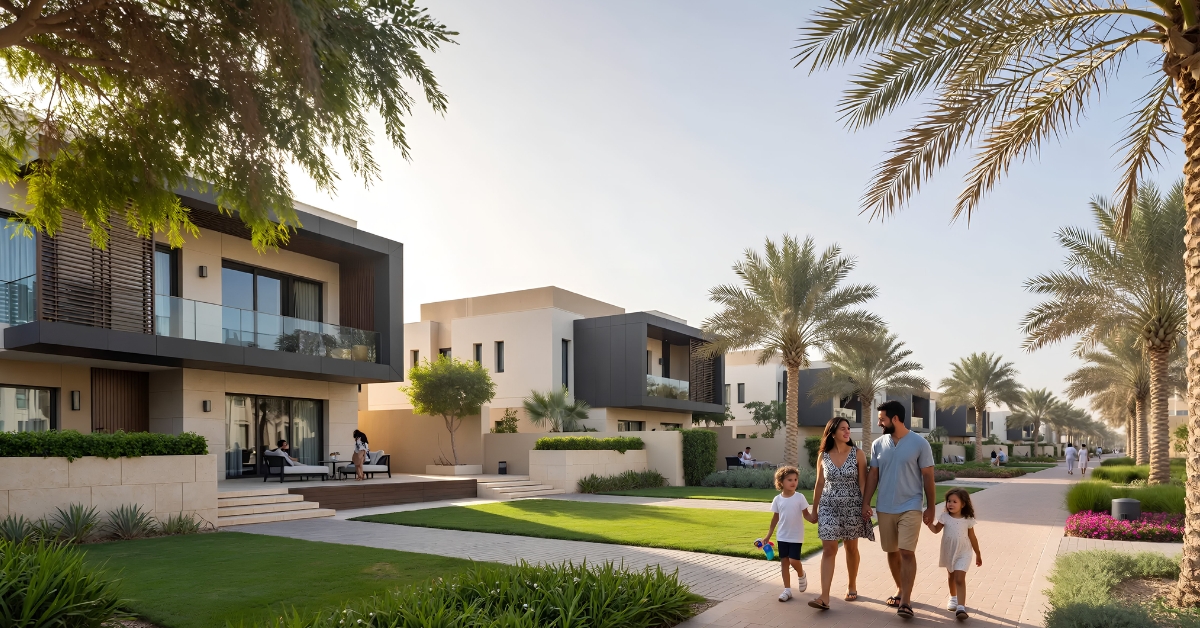
Lusail City
Lusail represents one of Qatar’s most advanced planned cities, combining residential, commercial, marina, and lifestyle zones. Its tram network, proximity to Doha Metro, and integrated community planning support both family living and long-term rental demand. Investors often favour Lusail for newer inventory and infrastructure-led value retention.
Check out properties for sale in Lusail with great ROI.
West Bay & West Bay Lagoon
West Bay remains a central employment and residential hub, hosting embassies, corporate offices, and premium residential towers. Nearby West Bay Lagoon offers lower-density villa living with proximity to schools and healthcare, appealing to families seeking space close to the city core.
Discover luxurious apartments in West Bay and upgrade your lifestyle.
The Pearl-Qatar
The Pearl-Qatar continues to attract residents due to freehold ownership, waterfront living, and retail access. Its established community, regulated ownership framework, and consistent rental demand make it relevant for both lifestyle buyers and yield-focused investors.
Check out apartments for rent in The Pearl and experience waterfront living.
Al Rayyan Residential Zones
Selected Al Rayyan districts offer balanced pricing, access to education hubs, and family-oriented villa compounds. Transaction data from the Ministry of Justice consistently shows Al Rayyan among the most active municipalities, reflecting sustained residential demand.
Explore modern villa rentals in Al Rayyan today.
Infrastructure, Transport & Connectivity
Transport accessibility plays a growing role in residential selection. The Doha Metro and Lusail Tram continue to influence demand patterns by reducing commute times and supporting higher occupancy near stations.
Road expansions, expressways, and integrated public transport allow families to prioritize space without sacrificing connectivity.
Residency, Ownership & Investment Confidence
Qatar’s evolving residency and property ownership frameworks support long-term confidence. Designated freehold and usufruct zones allow non-Qataris to own property in approved areas, reinforcing international investor participation.
Combined with transparent registration systems and consistent transaction reporting, these policies reduce risk for families and investors planning multi-year stays.
How FGREALTY Helps Families & Investors Navigate Growth Areas
At FGREALTY, we guide clients toward residential areas that align with Qatar’s long-term growth fundamentals. Our team provides:
- Verified listings in modern, infrastructure-backed districts
- Neighbourhood insights based on transport, schools, and amenities
- Market context linking transaction activity with livability trends
Whether you are relocating with family or evaluating investment-grade property, FGREALTY agents help translate national growth into practical residential decisions.
FAQs
Q: Is Qatar still growing as a residential market beyond major events?
A: Yes. Infrastructure maturity, economic diversification, and stable population demand continue to support residential growth.
Q: Which districts are most suitable for families entering Qatar now?
A: Lusail, West Bay Lagoon, The Pearl-Qatar, and selected Al Rayyan areas offer strong family infrastructure and connectivity.
Q: Does infrastructure really impact property value in Qatar?
A: Yes. Proximity to metro, tram, and major road networks has been shown to support occupancy and long-term value stability.
Q: Are foreign investors still active in Qatar property?
A: Transaction data and ownership frameworks indicate continued participation by international buyers in designated zones.
Q: Should buyers focus on new or established districts?
A: Both can perform well. New districts benefit from infrastructure growth, while established areas offer proven demand. FGREALTY helps evaluate both based on goals.