Understanding Residential Zoning in Doha: How It Impacts Rent, Privacy, and Long-Term Value

Key Takeaways
- Residential zoning in Doha reflects official land use categories that regulate density, building types, and amenities, shaping how communities develop.
- Low-density zones prioritize spacious villas and family developments with higher levels of privacy, while medium to high-density areas support apartments and mixed urban living with closer proximity to commercial nodes.
- Zoning influences rent levels and tenant demand because regulations affect supply, density, and amenity access in different districts—often affecting how property values evolve.
- Areas near public transport and mixed-use planning typically demonstrate more stable long-term value and rental occupancy due to connectivity and lifestyle integration.
- Selecting the right zone requires understanding how density, land use, privacy, and local services align with your residential or investment goals.
Introduction & Market Context

In Doha, residential zoning is part of the broader Qatar National Master Plan that divides land into designated categories with rules for development type, scale, and permitted uses. These classifications play a major role in shaping neighborhood characteristics—ranging from quiet, low-density villa districts to higher-density apartment neighborhoods with mixed uses and public services. For international residents, investors, and long-term tenants, zoning defines not just the physical character of an area but also rent expectations, privacy levels, and long-term property value trends.
Understanding zoning helps you evaluate areas such as villa-like zones, medium-density family neighborhoods, and urban apartments that are integrated with transport and commercial amenities.
What Residential Zoning Means in Doha
Zoning Structure and Land Use
Qatar’s zoning regulations — as implemented through municipal spatial development plans — divide cities like Doha into diverse planning zones, each with specific land use and design regulations.
Low-Density Residential (R1)
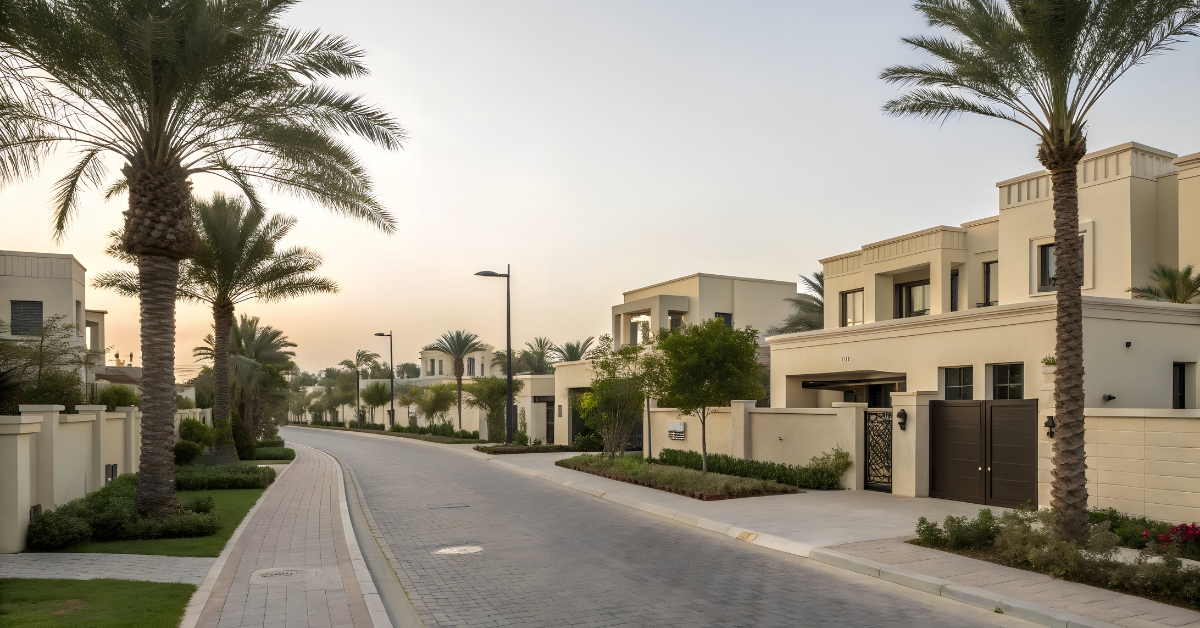
Zones like R1 support detached villas, courtyard homes, and low-rise compounds with significant open space. These areas emphasise privacy and are often chosen by families seeking space and quiet neighborhood environments.
Medium-Density Residential (R2, R3)
These categories allow for a mix of villa compounds and row houses, offering a balance of space and community integration. Medium-density zones can attract residents who value family-friendly environments with easier access to local schools and amenities.
High-Density Residential (R4, R5 and Tower Zones)
Higher-density zones permit walk-up apartments and mid-rise towers. These areas often feature proximity to commercial streets, transport access, and mixed-use developments. They are popular among professionals and those prioritizing convenience and connectivity.
How Zoning Affects Rent and Tenant Demand
Residential zoning dictates development scale, which directly influences supply, rental levels, and tenant preference:
- Low-density areas with larger plots and villas often command higher rents due to space, exclusivity, and community appeal.
- Medium density balance value and space, appealing to families looking for neighborhood services and schools without the full costs of private villas.
- High-density zones typically offer smaller units with lower entry rents but may see higher demand from young professionals or smaller households.
Zoning that supports mixed use and access to transport and job centres tends to sustain higher occupancy and rental resilience over time—for example, areas well served by the Doha Metro often demonstrate strong tenant interest and long-term value retention.
Privacy, Community Planning & Residential Quality
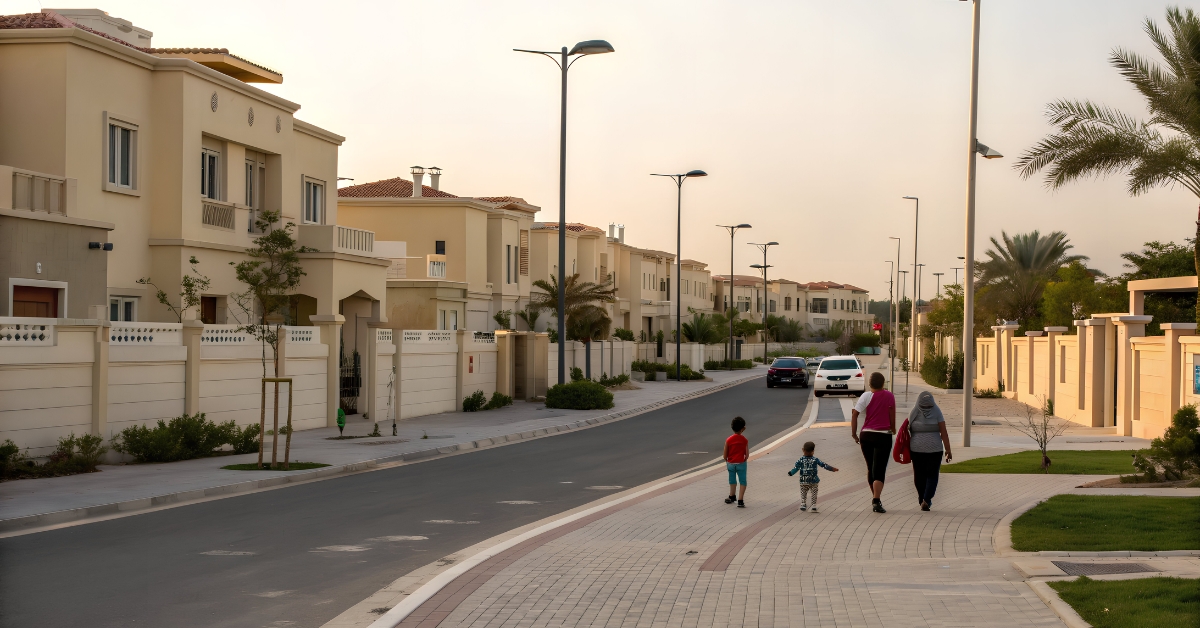
Privacy and community experience vary with zoning:
- Low-density zones integrate larger setbacks, landscaping, and open spaces that bolster privacy and quiet living.
- Higher-density neighborhoods often feature shared public spaces and integrate retail or services, inviting more social activity but reducing the private buffer.
- Mixed-use residential nodes blend apartment living with street-level services such as cafés, shops, and clinics — a model often preferred by residents valuing walkability and lifestyle convenience.
These dynamics help explain why families and long-term residents often prioritize districts with zoning that supports larger homes and community amenities.
Zoning and Long-Term Property Value
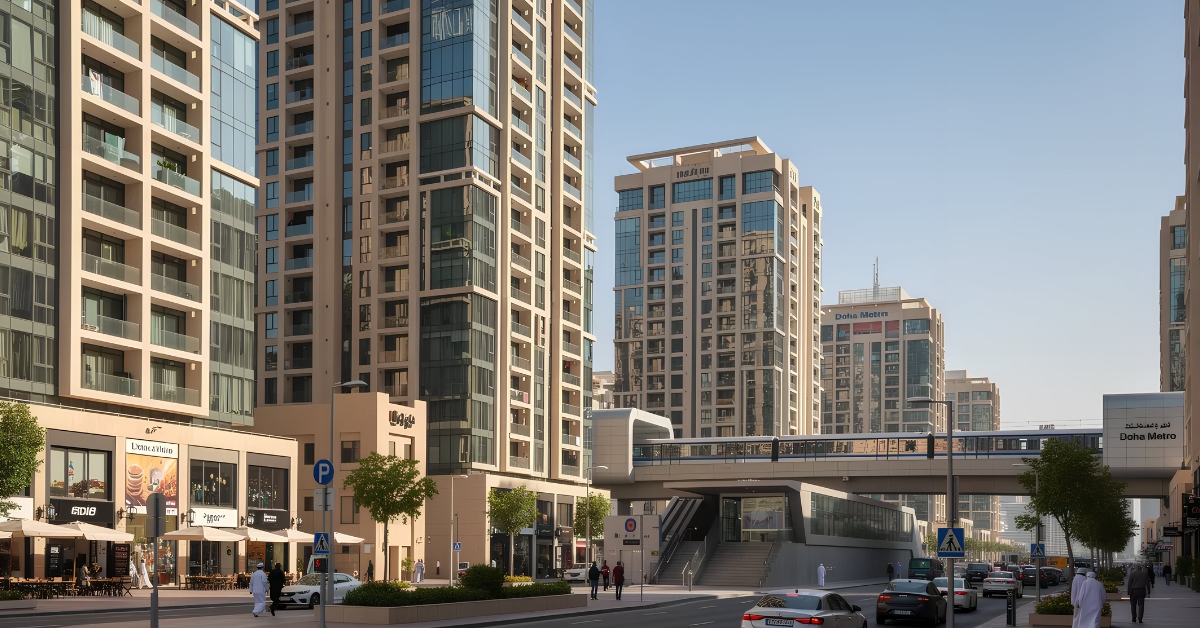
Residential zoning influences asset valuation through supply planning, infrastructure frameworks, and lifestyle appeal.
- Zoning that aligns with connectivity enhancements (such as proximity to Doha Metro or transit corridors) often supports stable or rising property values due to ease of access and expected demand.
- Low-density planned districts tend to retain appeal as space and privacy remain scarce in urban contexts.
- Mixed-use zones with balanced residential and commercial planning can benefit from diversified demand and ongoing urban activity.
Patterns of residential moves back these zoning-linked dynamics back into areas like Lusail and Msheireb, where planning emphasises integration and access rather than purely isolated housing.
How FGREALTY Helps You Navigate Residential Zoning
At FGREALTY, we provide neighborhood insights and verified listings based on zoning types, lifestyle priorities, and investment horizons. Whether you are weighing properties for rent near metro-connected areas or evaluating villas in low-density family zones, our advisors help match listings to your specific residential or investment objectives.
Clients receive:
- Localized zoning and demand analysis
- Neighborhood competitive rent and sale comparisons
- Access to verified listings for properties for sale in Qatar and apartments for rent in Doha
Connect with FGREALTY agents to map zoning profiles to your lifestyle or investment plan.
FAQs
Q: What does residential zoning control in Doha?
A: It regulates land use types, building scale, housing formats, and permitted developments for specific areas, shaping how neighborhoods are planned and developed.
Q: Do zoning rules affect rental prices?
A: Yes. Lower-density and villa-focused zones often have higher rents due to larger spaces and exclusivity, while higher-density areas typically have more units and comparatively lower entry rents.
Q: Can zoning change over time?
A: Zoning can evolve through municipal planning updates to address demand, transport expansion, or lifestyle trends, especially around major nodes.
Q: Which type of zone offers the best long-term investment value?
A: Areas combining accessibility, planned amenities, and balanced density generally hold value better. FGREALTY can help evaluate this based on current market data. You can also check our guide to understand the Doha neighborhoods.
Q: Where should families look for privacy and community amenities?
A: Low-density residential zones with villa or suburban compound planning are often preferred for families.