Art, Culture & Real Estate: How Qatar’s Creative Scene Enhances Urban Lifestyle
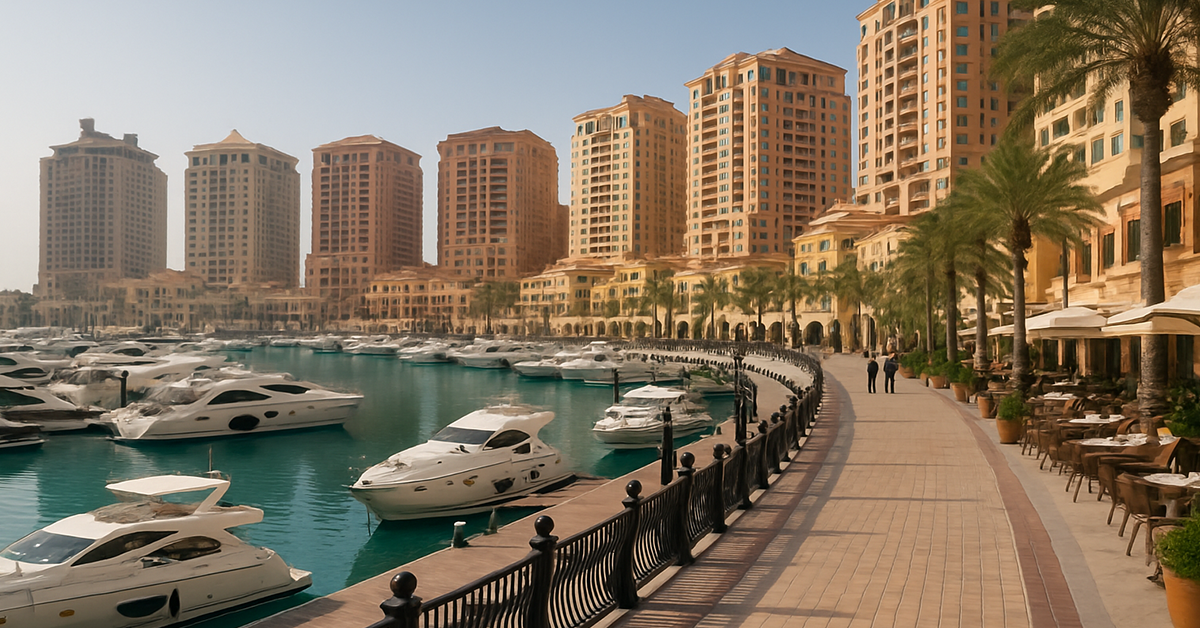
Key Takeaways
- Qatar’s investment in world-class museums, cultural districts, and global arts partnerships embeds art into urban living, elevating lifestyle appeal and attracting residents and visitors alike.
- Cultural infrastructure — including the Museum of Islamic Art, National Museum of Qatar, Katara Cultural Village, and the Art Basel Qatar — enriches community environments and contributes to neighborhood desirability.
- Public art programs and creative hubs like Fire Station and Doha Design District support local talent and draw international attention, influencing foot traffic and nearby property interest.
- Art and culture contribute to urban place-making, helping districts sustain long-term residential demand and underpin quality of life.
Introduction and Market Context
In recent years, Qatar has deliberately positioned itself as a global cultural hub, investing heavily in museums, galleries, creative industries, and international partnerships. This strategy aligns with broader economic diversification goals while enhancing the quality of life for residents and appealing to international investors.
From iconic architectural landmarks to vibrant cultural districts and new major events like Art Basel Qatar debuting in February 2026, Qatar’s creative scene contributes not only to tourism and cultural enrichment but also to real estate dynamics. Areas with strong cultural infrastructure often command higher residential demand as lifestyle-oriented residents seek proximity to arts, entertainment, and community amenities.
Understanding the interplay between culture and urban real estate offers insight into where demand is consolidating and why certain districts are becoming more attractive for long-term living.
Museums and Cultural Landmarks as Urban Anchors
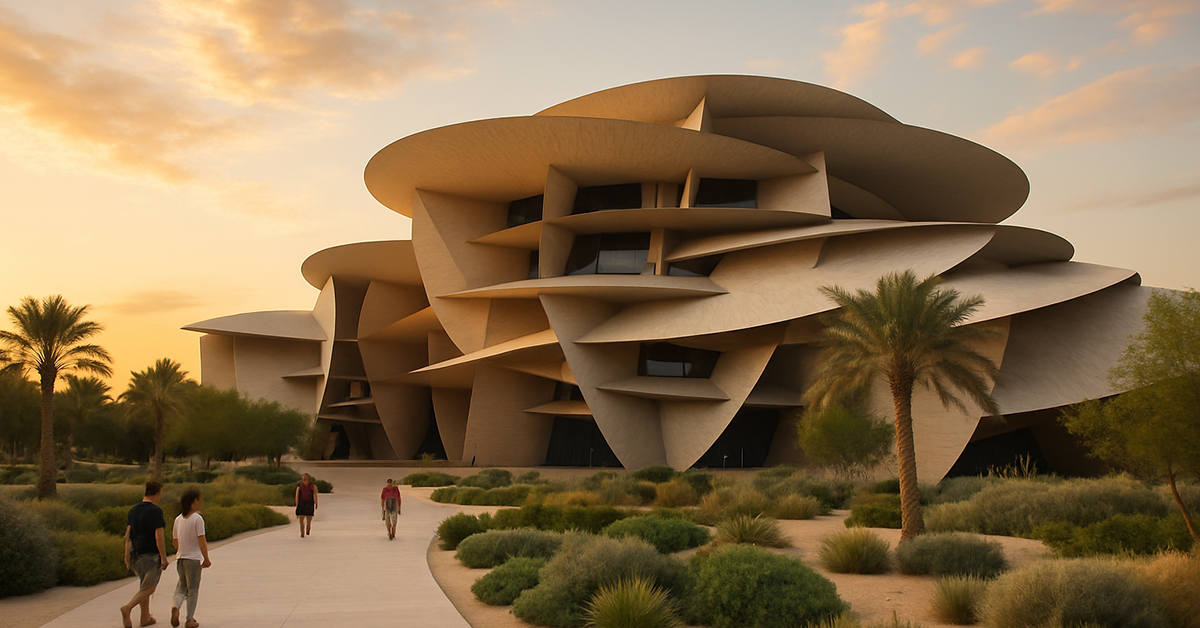
Museums and cultural institutions serve as foundational assets in Qatar’s urban landscape—establishments such as the Museum of Islamic Art, designed by the renowned architect I. M. Pei and the National Museum of Qatar, with its immersive narrative of national history, shape public space experiences and drive foot traffic to adjacent districts.
These institutions enhance neighborhood appeal and support year-round visitor flow, making nearby residential areas attractive to families, expatriates, and investors who prioritize cultural access and lifestyle amenities. Cultural programming often extends to outdoor plazas and waterfront promenades, strengthening community cohesion and pedestrian activity — factors known to support urban residential desirability.
Cultural Districts and Public Art
Katara Cultural Village exemplifies how cultural districts influence the urban experience. Located between West Bay and The Pearl, Katara blends traditional architectural motifs with contemporary creative spaces, including galleries, theatres, open-air exhibitions, and performance venues.
Public art, commissioned by Qatar Museums and placed throughout streets, parks, and prominent public areas, connects daily life with creative expression. Qatar’s public art initiative includes over 100 installations, from Richard Serra’s East-West/West-East at Ras Abrouq to Damien Hirst’s The Miraculous Journey, making art public, accessible, and integrated into the cityscape.
These elements contribute to “place-making” — the process by which cultural features enhance neighborhood identity and quality of life — often correlating with increased interest in nearby residential real estate due to the enriched environment they help create.
Global Partnerships and High-Profile Events
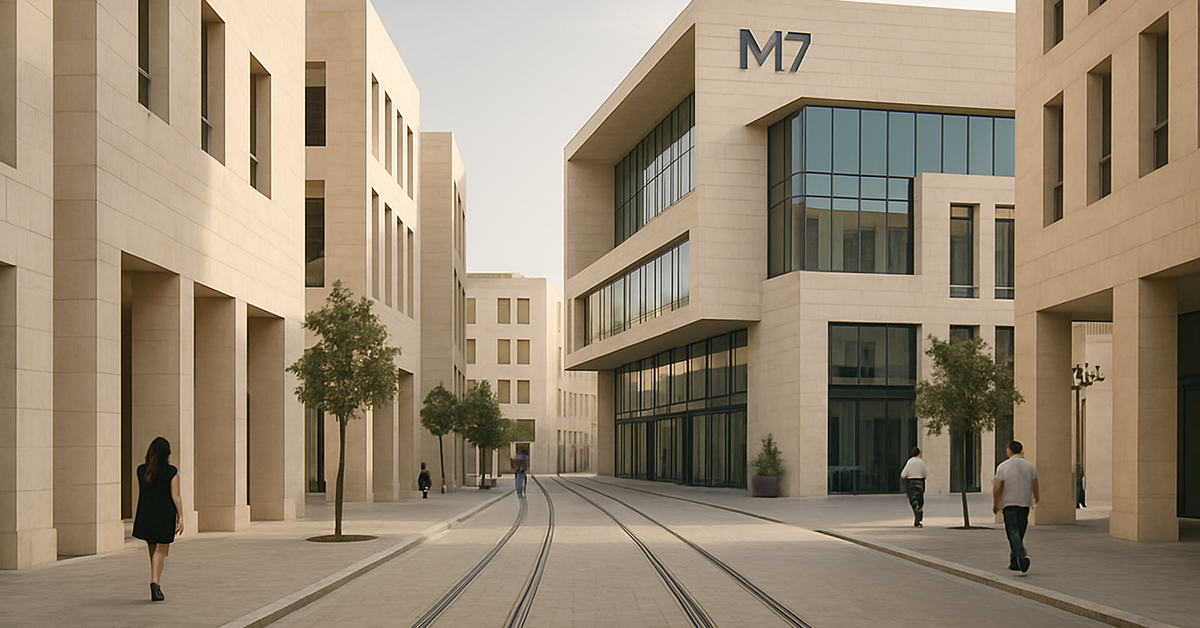
Qatar’s cultural strategy has grown to include high-profile global partnerships. The newly announced Art Basel Qatar fair, launching in 2026 in the M7 hub and Doha Design District, is a major development in contemporary art, connecting local galleries and artists with international markets and collectors.
This development amplifies Qatar’s cultural visibility and nurtures a collector and gallery ecosystem that can contribute to steady institutional, corporate, and private interest in urban districts. Such events often draw international visitors and affluent art buyers, indirectly supporting demand for upscale residences and enhancing citywide cultural tourism.
How Art and Culture Influence Real Estate Decisions
Art and culture influence real estate demand by enhancing urban lifestyle factors that matter most to residents and investors:
- Quality of life: Access to museums, galleries, events, and public art enriches daily living and fosters vibrant communities.
- Social engagement: Cultural districts create shared spaces that support community activities and diverse social interactions.
- Tourism and visibility: High-profile cultural partnerships and festivals help maintain visitor flows year-round.
- Neighbourhood identity: Areas with strong cultural assets often develop distinctive identities, improving desirability for long-term living.
These factors, supported by Qatar’s strategic cultural investments, help solidify urban areas as attractive places to live, work, and invest.
How FGREALTY Can Help You Find Prime Cultural-Adjacent Properties
FGREALTY assists buyers, renters, and investors looking to align lifestyle priorities with real estate choices by providing:
- Verified property listings near cultural hubs and dynamic neighborhoods such as Msheireb, West Bay, Katara Cultural Village, and The Pearl.
- Area insights that connect cultural infrastructure and quality-of-life drivers with long-term property demand.
- Advisory services tailored to international audiences, helping match residential preferences with urban lifestyle opportunities.
From apartments for sale in Qatar to properties for rent in Lusail, FGREALTY agents integrate cultural context into every housing recommendation, ensuring you select locations that support both living standards and lifestyle values.
FAQs
Q: Do art and culture really affect real estate demand?
A: Yes. Cultural institutions, festivals, creative districts, and public art contribute to quality-of-life factors that make certain neighbourhoods more desirable for residents and investors alike.
Q: What are Qatar’s major cultural attractions?
A: Key attractions include the Museum of Islamic Art, National Museum of Qatar, Mathaf: Arab Museum of Modern Art, Katara Cultural Village, and upcoming global events like Art Basel Qatar.
Q: Are cultural events good for neighbourhood livability?
A: Yes. Cultural events increase foot traffic, support local businesses, provide social amenities, and can sustain long-term community interest.
Q: Do creative districts impact property pricing?
A: Areas near cultural districts and creative hubs often maintain higher desirability and can command stronger residential interest over time thanks to enriched lifestyle environments.