Traffic Patterns and Commuter Behavior in Doha: Real Insights for Renters and Buyers
Key Takeaways
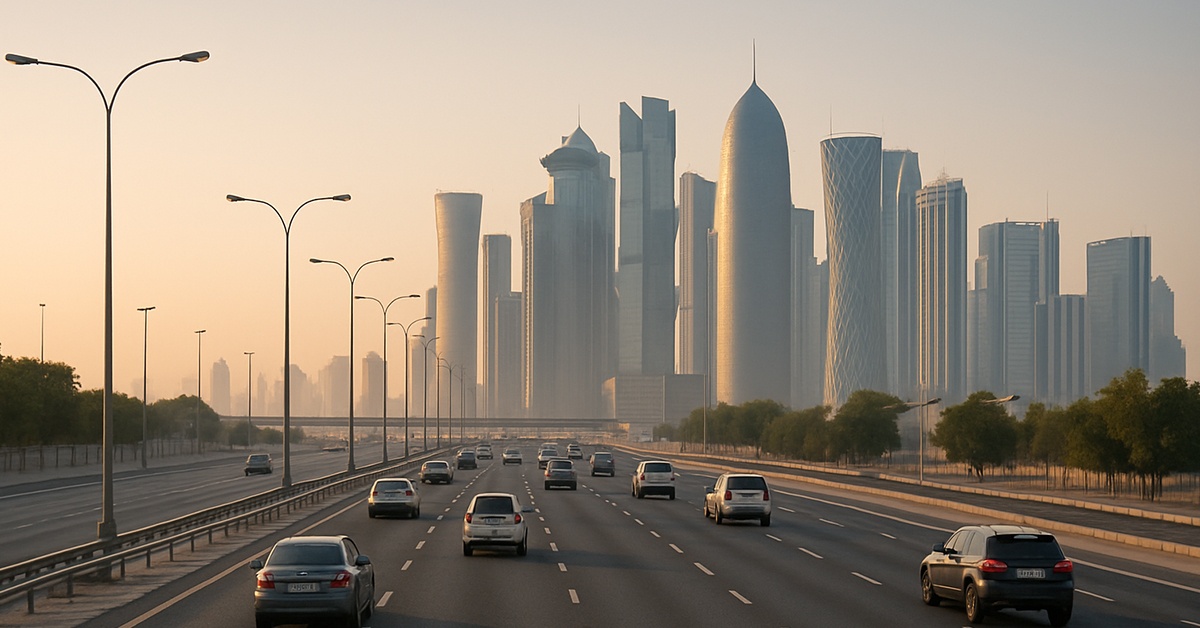
- Peak traffic in Doha is concentrated on major radial corridors during morning and evening commute windows
- Residential demand is stronger in districts with metro access and direct road connectivity to business hubs
- Commuter behavior increasingly blends private car use with metro and tram networks
- Living closer to employment centers reduces daily travel time and improves housing satisfaction
- Buyers and renters benefit from prioritizing transport access over short-term price differences
Introduction and Market Context
Doha’s residential demand is shaped not only by property type and pricing, but by how easily residents can move between home, work, and daily services. As Qatar’s urban footprint expands and mixed-use districts mature, traffic patterns and commuter behavior have become practical decision factors for renters and buyers. Infrastructure investment following the World Cup cycle has improved road networks and public transport coverage, yet daily congestion still concentrates on specific corridors during peak hours.
For international residents, the primary search intent is to understand where traffic pressure is highest, how commuting works in daily life, and which residential districts offer smoother mobility. These insights help align housing decisions with realistic travel expectations rather than brochure-level proximity claims.
How Doha’s Road Network Shapes Daily Commutes
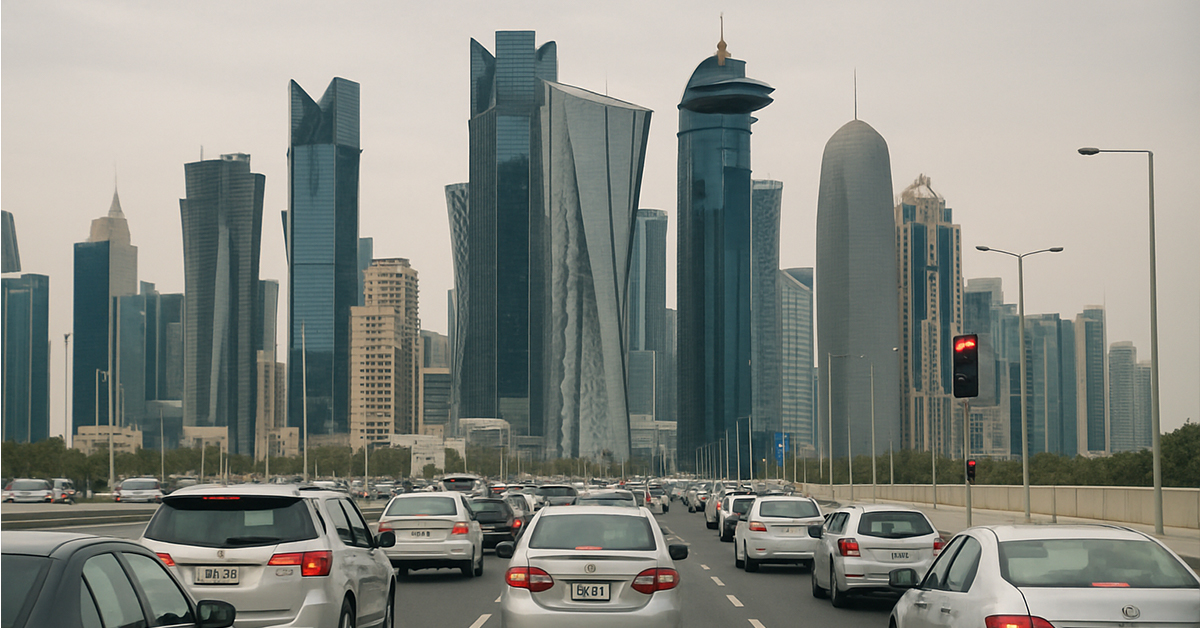
Doha’s primary road system connects central business districts with expanding residential zones to the north and south. Peak congestion typically appears on arterial routes leading into West Bay and central Doha during standard office hours. While road upgrades have increased capacity, commuter volumes continue to rise alongside population growth and employment concentration.
Key commuting patterns include
- Morning inbound traffic toward business districts
- Evening outbound congestion toward residential clusters
- Smoother flow within self-contained mixed-use areas
Residents living within mixed-use districts or near employment hubs experience more predictable travel times, reinforcing demand in these locations even when pricing moderates.
The Role of Public Transport in Residential Choice
Qatar’s metro and tram systems have reshaped commuter behavior by providing alternatives to private car use for daily travel. Metro access is a growing factor in residential demand, particularly among professionals working in central Doha.
Practical impacts include
- Reduced reliance on peak-hour driving for residents near stations
- Higher rental absorption in walkable zones around metro stops
- Increased appeal of districts with combined road and rail access
Districts with Strong Commuter Appeal
Central Business and Mixed Use Zones
Areas such as West Bay and Msheireb benefit from proximity to offices, retail, and metro stations. Residents in these districts often experience shorter commute times and more predictable travel patterns, supporting stable residential demand despite traffic pressure on surrounding arterial roads.
Northern and Planned Residential Clusters
Lusail has gained commuter appeal due to planned road connectivity and internal transport links that reduce dependency on congested central corridors. Residents commuting between Lusail and central Doha benefit from defined routes and access to tram and metro connections.
Established Residential Neighborhoods
Selected parts of Doha with direct access to ring roads maintain commuter appeal even during peak periods. Demand remains stronger in neighborhoods that allow residents to avoid bottlenecks through multiple route options.
What Renters Should Factor Into Commute Planning

Renters often underestimate the impact of daily commuting on housing satisfaction. Practical considerations include
- Actual door-to-door commute time during peak hours
- Proximity to metro stations or park and ride options
- Access to multiple road routes to avoid single corridor congestion
Renters exploring apartments for rent in Doha benefit from viewing properties during typical commute windows to assess real-world travel conditions.
What Buyers Should Evaluate Before Choosing a District
For buyers, transport access influences long-term demand stability and resale liquidity. Districts with diversified transport options retain tenant demand more consistently than locations dependent on a single road corridor.
Key buyer considerations include
- Distance to employment clusters
- Access to metro or tram networks
- Long-term infrastructure plans tied to district development
These factors support demand resilience even when broader market conditions normalize.
How FGREALTY Helps You Choose Well-Connected Homes
FGREALTY supports renters and buyers with verified listings and area-specific insights that factor in real commute behavior. Whether you are exploring properties for sale across Qatar, apartments near metro stations, or homes close to business districts, our agents align residential choice with practical daily mobility.
You can explore
- properties for rent across Doha
- apartments for sale near transport hubs
- Area insights for international residents
Connect with us today to rent an apartment or invest in growth-oriented properties.
FAQs
Q: Is traffic congestion a major factor in residential choice in Doha?
A: Yes. Commute predictability increasingly influences where residents choose to live.
Q: Are metro-connected areas more in demand?
A: Districts with metro access tend to show stronger rental absorption due to reduced reliance on peak-hour driving.
Q: Do mixed-use areas reduce daily commuting needs?
A: Yes. Residents in mixed-use districts often benefit from shorter travel distances to work and services.
Q: Should buyers prioritize transport access over unit size?
A: Transport access plays a major role in long-term demand stability and resale appeal.