International Schools in Qatar: Tuition Trends and Area Based Housing Demand
Key Takeaways
- International school tuition in Qatar varies widely, with annual fees typically ranging from QAR 20,000 to over QAR 80,000, depending on curriculum and grade level
- School proximity remains one of the strongest drivers of residential demand, particularly in family-focused districts such as West Bay, Al Waab, and Lusail
- Demand for villas and larger apartments increases near top international schools due to family relocation patterns
- Education infrastructure expansion is influencing new residential growth corridors beyond central Doha
- Verified market reports show that school access directly impacts rental pricing stability and occupancy rates
Introduction: Why Education Shapes Real Estate Decisions in Qatar
For expatriate families, access to quality education is one of the primary factors when choosing where to live. In Qatar, where over 80% of the population consists of expatriates, international schools play a central role in shaping residential demand.
The real estate market reflects this trend clearly, with properties located near leading schools consistently showing stronger occupancy rates and more stable rental pricing. For investors, this creates a clear link between education infrastructure and long-term property performance.
Tuition Trends Across International Schools
Wide Fee Range Based on Curriculum
International school tuition in Qatar varies significantly depending on curriculum, facilities, and reputation. According to data from Qatar’s Ministry of Education and international school directories:
- British and IB schools often range between QAR 40,000 and QAR 80,000 annually
- American curriculum schools typically range from QAR 30,000 to QAR 70,000
- Other international schools may start from QAR 20,000
Higher tuition levels are usually associated with premium facilities, global accreditation, and strong academic outcomes.
Rising Demand for Premium Education
Recent education sector reports indicate increasing demand for high-quality international schooling, driven by corporate relocations and long-term residency policies. This demand directly impacts nearby housing markets, as families prioritize convenience, commute time, and access to established academic institutions.
How School Locations Influence Housing Demand
Clustering Around Key Residential Areas
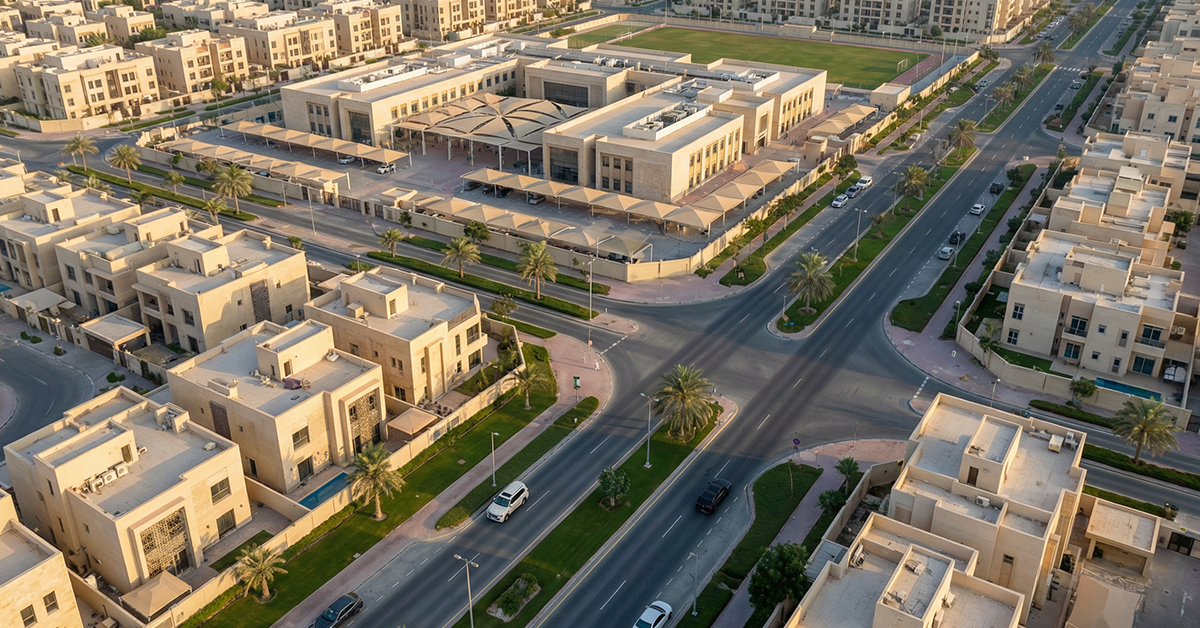
Real estate demand in Qatar shows clear clustering around major school zones:
- West Bay and Al Dafna for proximity to central Doha schools
- Al Waab and Abu Hamour for villa communities near established campuses
- Lusail City for newer developments with planned education infrastructure
Properties in these areas tend to maintain stable occupancy due to consistent demand from expatriate families.
Impact on Property Types
School proximity affects not only location demand but also property type preferences:
- Villas and townhouses are preferred by families with multiple children
- Larger apartments near schools attract mid to high-income expatriates
- Serviced residences are less influenced by school proximity due to shorter stays
Expansion of Education Infrastructure and New Growth Areas
Emerging Education Hubs
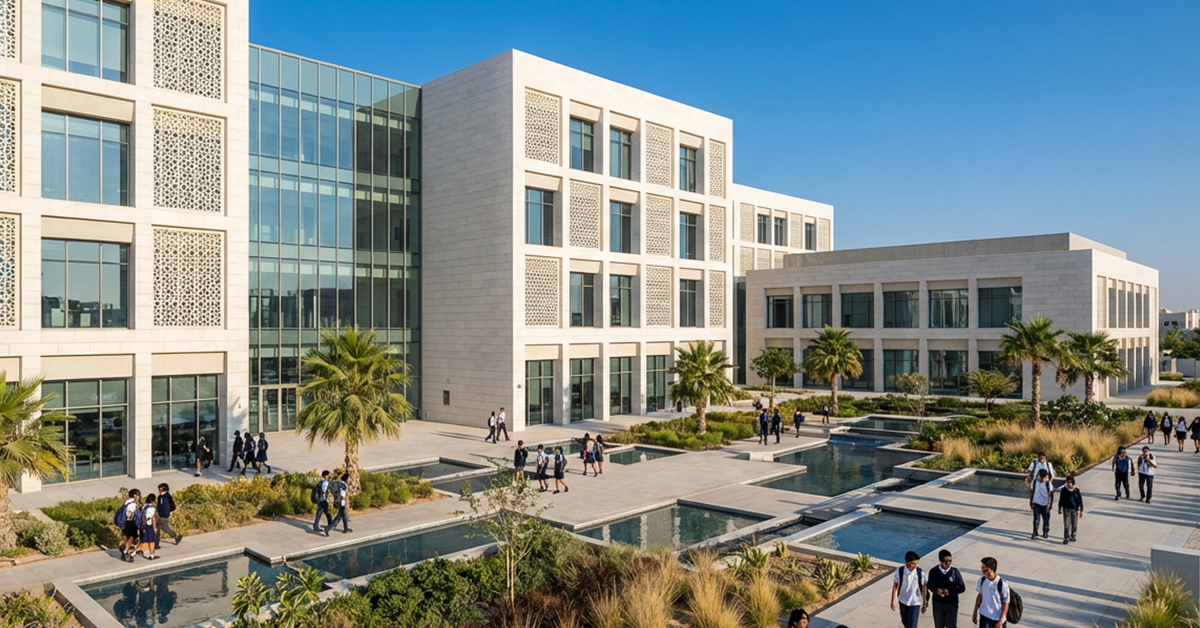
Qatar’s long-term development strategy includes expanding education infrastructure across new districts. Lusail and Al Khor have seen increased planning for schools as part of integrated urban development.
This creates new residential opportunities where early investors may benefit from future demand growth linked to school openings.
Long-Term Urban Planning Alignment
Urban planning initiatives in Qatar integrate residential, educational, and transport infrastructure. This ensures that new communities are designed with accessibility to schools in mind.
For investors, this reduces the risk associated with isolated developments and supports sustained demand over time.
What This Means for Property Investors
For global investors evaluating Qatar’s real estate market, education is a measurable and consistent demand driver.
Properties located near reputable international schools benefit from:
- Higher occupancy rates
- More stable rental income
- Stronger appeal to long-term tenants
How FGREALTY Supports Investors and Families
FGREALTY provides verified listings and market insights tailored to families and investors looking for school proximity.
Whether you are searching for
FGREALTY agents help you evaluate locations based on education access, rental demand, and long-term value.
FAQs
Q: Why do international schools impact property demand in Qatar?
A: School proximity is a major factor for expatriate families, making nearby properties more desirable and stable in terms of occupancy.
Q: What is the average tuition fee for international schools in Qatar?
A: Fees typically range from QAR 20,000 to QAR 80,000 annually, depending on curriculum and school reputation.
Q: Which areas are best for families based on school access?
A: West Bay, Al Waab, Abu Hamour, and Lusail are among the most preferred locations due to their proximity to major schools.
Q: Is investing near schools a good strategy in Qatar?
A: Yes, properties near schools tend to have consistent demand, stable rental income, and lower vacancy rates.