Qatar Luxury Real Estate Rental Yields: What Global Investors Can Expect
Key Takeaways
- Luxury residential rental yields in Qatar typically range between 5 percent and 7 percent, depending on location and asset quality, based on reports from global real estate consultancies.
- Prime areas such as The Pearl, Lusail, and West Bay continue to show strong tenant demand driven by expatriate professionals and corporate leasing activity.
- Stable occupancy levels in high-end properties support consistent income generation despite broader market adjustments.
- Government-backed residency incentives linked to property ownership continue to support demand in premium segments.
- Long-term infrastructure development and lifestyle positioning contribute to sustained rental performance in luxury communities.
Introduction: Understanding Rental Yields in Qatar’s Luxury Segment
For international investors exploring Qatar, rental yield remains a key metric when evaluating real estate opportunities. Yield reflects the balance between property value and rental income, making it central to investment decisions.
Qatar’s luxury real estate segment has evolved into a stable, income-generating market, supported by high-quality developments, regulated leasing frameworks, and a steady expatriate population. Areas such as The Pearl, Lusail City, and West Bay Doha are consistently referenced in market reports as key zones for premium rental performance.
What Defines Luxury Rental Yields in Qatar
Market Benchmarks and Verified Ranges
According to data from international property consultancies, gross rental yields in Qatar’s residential sector generally range between 5 percent and 7 percent for well-located properties.
Luxury units tend to sit within this range due to higher capital values, but they benefit from stable tenants and premium lease agreements.
Key factors influencing yields include
- Property location and waterfront access
- Building quality and developer reputation
- Proximity to business districts and transport networks
- Availability of furnished and serviced units
Tenant Profile and Demand Stability
Qatar’s luxury rental market is largely driven by expatriates working in sectors such as finance, energy, aviation, and government-linked projects.
Corporate leasing remains a strong contributor, with multinational firms securing long-term housing for executives. This creates predictable occupancy levels in premium developments.
High demand for fully serviced apartments and branded residences also supports rental consistency, particularly in areas close to commercial hubs.
Key Locations Driving Rental Performance
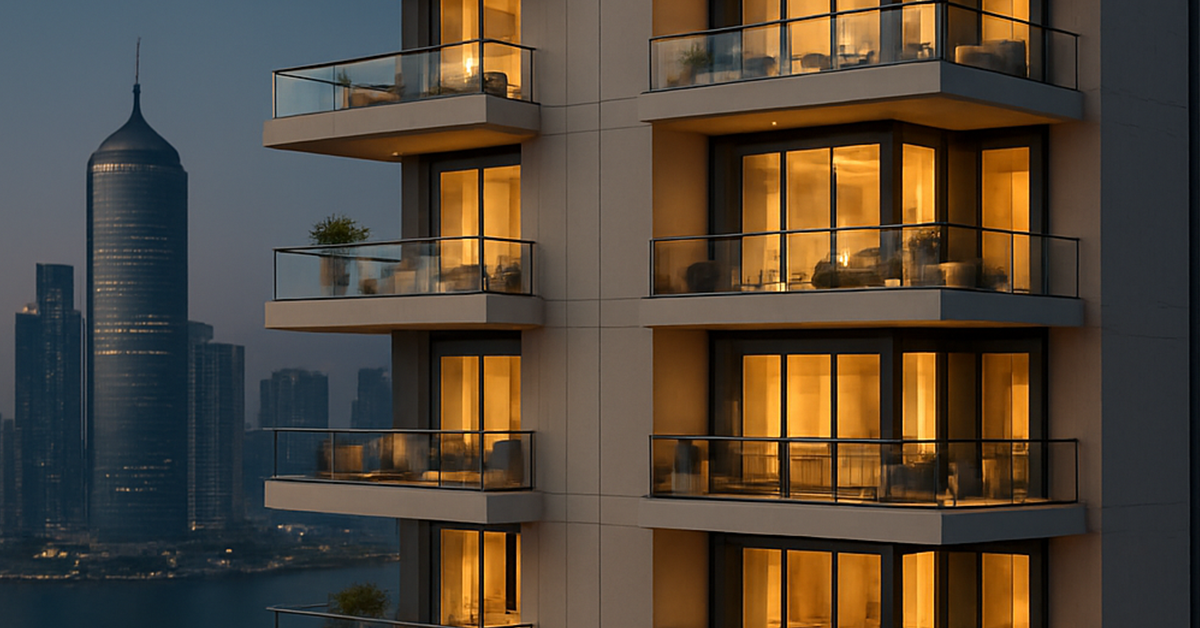
The Pearl Qatar
The Pearl remains one of the most established luxury residential zones, offering waterfront apartments and villa communities. Strong lifestyle positioning, marina access, and retail integration contribute to steady rental demand.
Lusail City
Lusail represents Qatar’s largest planned city and continues to attract investors due to modern infrastructure and mixed-use developments. Districts around Lusail Marina and Energy City are seeing increasing rental activity as new offices and commercial zones become operational.
West Bay Doha
West Bay remains a central business district with a concentration of high-rise residential towers. Its proximity to corporate offices and embassies ensures continuous demand from professionals seeking short commute times.
Market Drivers Supporting Rental Yields
Residency Linked Investment Incentives
Qatar has introduced property-linked residency programs that allow foreign buyers to access long-term residency benefits by investing above specified thresholds.
These policies contribute to sustained interest in high-value properties, supporting both sales and rental markets.
Regulated Rental Environment
Qatar’s real estate sector operates under structured regulatory oversight, ensuring transparency in leasing agreements and tenant-landlord relationships.
This reduces volatility and enhances investor confidence in rental income streams.
Infrastructure and Lifestyle Integration
Luxury developments in Qatar are closely integrated with retail, hospitality, and transport infrastructure. Access to metro networks, expressways, and waterfront promenades enhances the appeal of premium properties, directly influencing rental demand.
What This Means for Global Investors
Rental yields in Qatar’s luxury segment are not driven by speculative spikes but by consistent demand fundamentals. Stable occupancy, corporate leasing, and government-backed incentives create an environment where investors can expect predictable income rather than volatile returns.
How FGREALTY Supports Investors in Qatar
FGREALTY provides verified listings and market insights for clients exploring Qatar’s luxury real estate segment.
Whether you are searching for
FGREALTY agents help you evaluate rental yields, understand tenant demand, and identify properties aligned with your investment goals.
FAQs
Q: What is the average rental yield in Qatar luxury real estate?
A: Luxury residential properties typically generate yields between 5 percent and 7 percent, depending on location and asset quality.
Q: Which areas offer the best rental returns in Doha?
A: The Pearl, Lusail City, and West Bay are among the top-performing areas due to strong tenant demand and premium infrastructure.
Q: Is rental income in Qatar stable for investors?
A: Yes, demand from expatriates and corporate tenants supports consistent occupancy and predictable rental income.
Q: Do foreign investors benefit from buying rental property in Qatar?
Yes, property ownership can provide residency benefits and access to a regulated real estate market with transparent leasing frameworks.