Short-Term Rental Strategy for Landlords in Qatar: What You Need to Know

Key Takeaways
Qatar’s short-term rental market is becoming more structured and promising for landlords who are well-prepared. A valid holiday-home licence from Qatar Tourism Authority is essential, since unlicensed listings can be deactivated or penalised. Yields in top locations (e.g., Lusail City, The Pearl-Qatar) have improved as tourism and business travel rebound, although costs such as service charges and regulatory compliance must be factored in. With major events and infrastructure driving demand, landlords who target zoned properties, maintain high-quality finishes, and align with licensing guidelines are positioned to benefit. Partnering with FGREALTY gives you access to verified listings, yield modelling, and guidance on regulatory compliance.
Introduction & Market Context
Qatar’s real-estate market is accelerating around tourism, business travel, and upcoming events, which makes short-term rentals increasingly viable for landlords. Recent reports highlight that short-term rentals in Qatar require proper licensing under the holiday-homes regime and that major infrastructure upgrades—such as the expanded metro and convention centres—are improving accessibility and visitor numbers.
Regulatory Fundamentals
Licensing & Compliance
All short-term rental properties must hold a Holiday Homes licence issued by Qatar Tourism, with inspection of safety, quality, facilities, and legal ownership. Unlicensed listings are subject to fines and delisting.
Ownership & Visitor Approval
Landlords must check that their building and unit permit short-term letting. Many compounds restrict subletting or require specific permissions.
Taxation & Reporting
While Qatar does not impose personal income tax, short-term rental income for non-GCC foreigners may be subject to rental income tax at a flat rate.
Ensuring guest data is reported, and platforms list only licensed homes, is also mandatory.
Location, Property Type & Yield Strategy
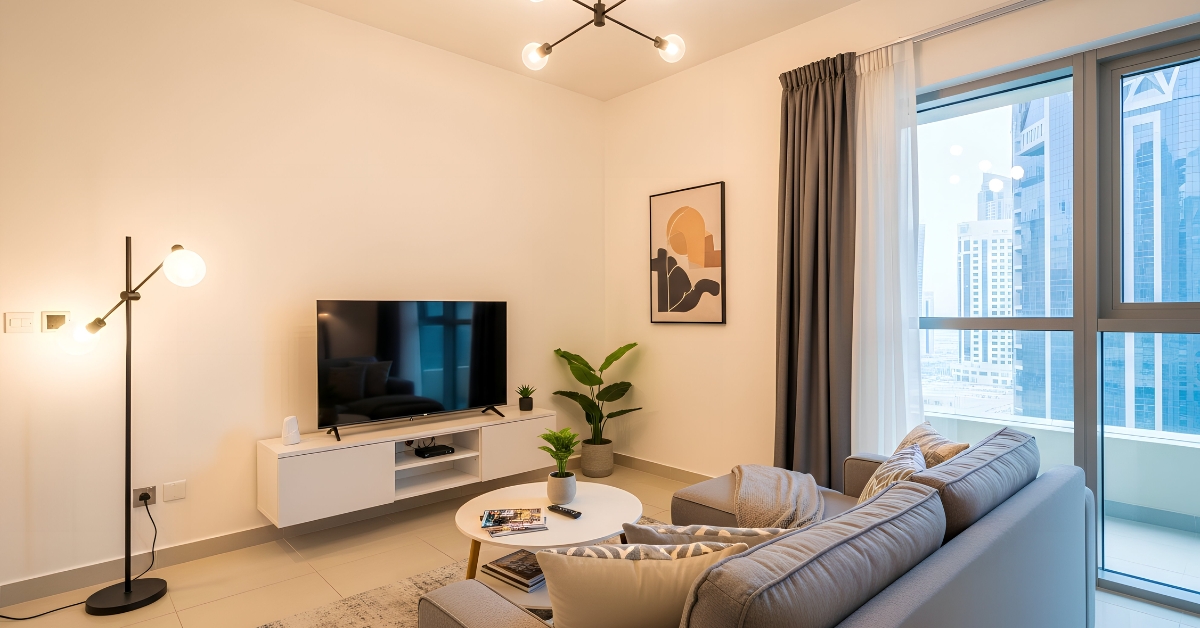
Landlords should optimise by selecting properties in zones with strong tourist or business-travel demand. Areas like Lusail City, The Pearl-Qatar, and Msheireb Downtown consistently rank for higher rental yields.
Key factors to evaluate:
- Proximity to airport, Qatar metro, or event venues – enhances occupancy.
- Unit size and flexibility – studios and 1-beds tend to offer stronger nightly rates.
- Building amenities and quality finish – high guest expectations.
- Service charges and management fees – must be netted out in yield calculations.
Practical Steps for Landlords
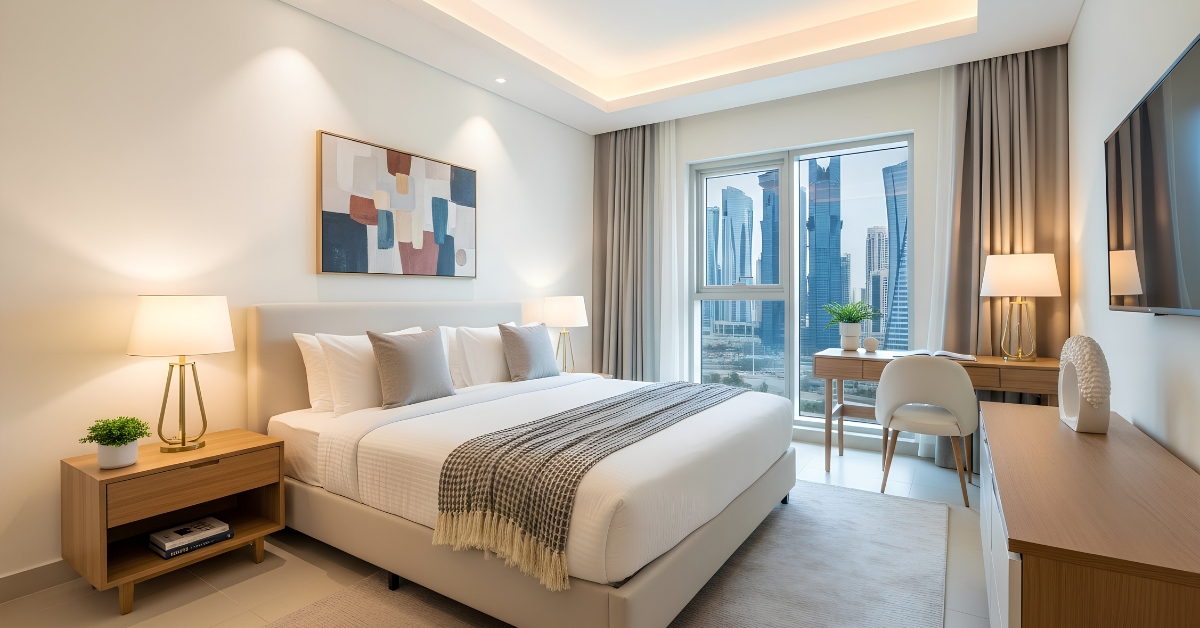
- Verify the property falls within a permitted “holiday-home” zone and that the building management approves short stays.
- Apply for the Holiday Homes licence via Qatar Tourism e-services.
- Set realistic pricing based on comparable short-term listings, factoring in occupancy rates and seasonal demand.
- Hire a responsive property manager (or list via a professional platform) to handle bookings, guest check-in, maintenance, and compliance.
- Monitor service charges, utilities, wear & tear, and plan for downtime periods when events aren’t active.
How FGREALTY Can Help
At FGREALTY, we assist landlords in crafting short-term rental strategies in Qatar with data-driven advice. Whether you need help buying properties in Qatar for short-term let or converting existing units into compliant holiday homes, our team provides verified listings, yield forecasts, and regulatory checklists.
Contact FGREALTY agents to talk through your investment scenario and see how we can support your returns.
FAQs
Q: Are short-term rentals legal in Qatar for foreign property owners?
A: Yes, but only with a valid Holiday Homes licence issued by Qatar Tourism. The licence ensures compliance with safety, quality, and ownership rules. Unlicensed listings can face penalties or removal from rental platforms.
Q: Which areas in Qatar offer the best short-term rental potential?
A: Lusail City, The Pearl-Qatar, and Msheireb Downtown are top-performing zones due to their tourist appeal, business proximity, and high-quality infrastructure. These areas also attract steady year-round demand.
Q: What is the expected return on short-term rentals in Qatar?
A: Short-term rentals can yield between 7–10% annually in premium zones, depending on occupancy, service fees, and management costs. Demand is expected to rise with major events and expanding tourism.
Q: What are the licensing requirements for landlords?
A: Property owners must apply for the Holiday Homes licence via Qatar Tourism’s e-services. The property must meet safety, furnishing, and facility standards, and landlords should provide ownership documentation.
Q: How can FGREALTY help landlords manage short-term rentals?
A: FGREALTY assists landlords with property selection, licensing guidance, rental pricing strategy, and verified listings management to ensure compliance and maximize occupancy rates.