What Long-Term Infrastructure Planning Means for Property Stability in Qatar
Key Takeaways
- Long-term infrastructure planning in Qatar plays a direct role in stabilizing residential property demand and pricing
- Transport, utilities, and urban planning reduce volatility by supporting consistent occupancy and tenant mobility
- Districts connected to permanent infrastructure assets outperform speculative or short-term growth areas
- Buyers and renters benefit most when housing decisions align with national planning frameworks
Introduction and Market Context
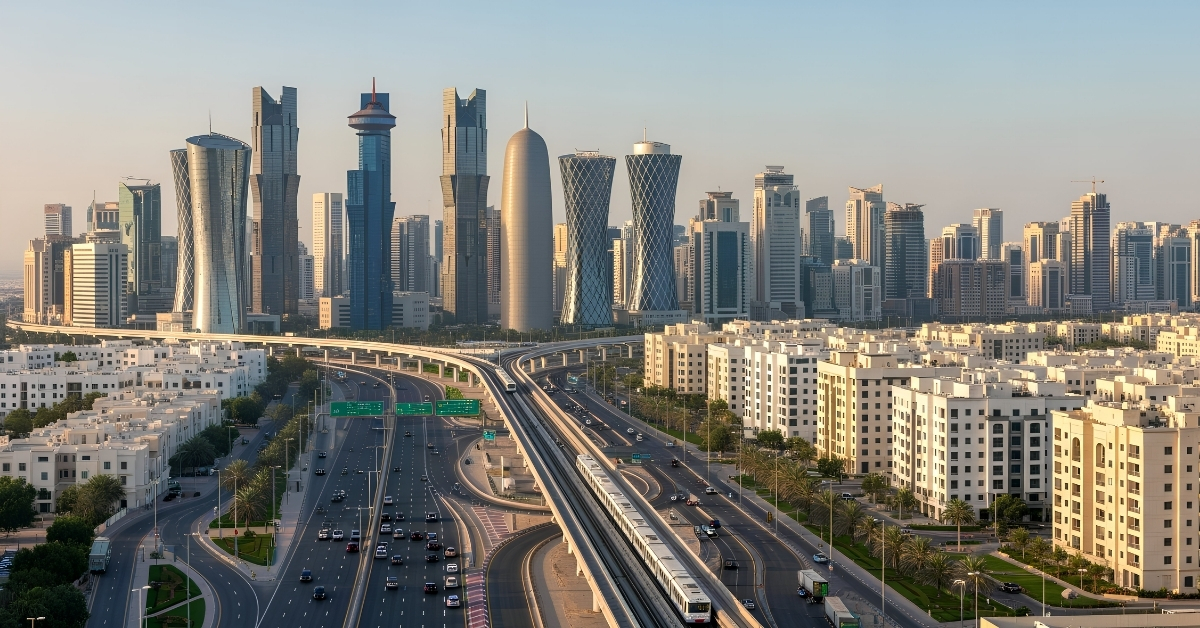
Property stability is a primary concern for international buyers, renters, and investors entering Qatar’s real estate market. Unlike short-term price movements, stability reflects predictable demand, reliable infrastructure, and long-term urban planning. Qatar’s approach to infrastructure development is guided by multi-decade national strategies that prioritize transport connectivity, utilities resilience, and integrated urban districts rather than reactive expansion.
For residential real estate, this planning model reduces sudden demand shocks and supports steady occupancy across key neighborhoods. Understanding how infrastructure decisions translate into housing stability helps international audiences assess risk more accurately at the awareness stage.
Qatar’s Long-Term Infrastructure Planning Framework
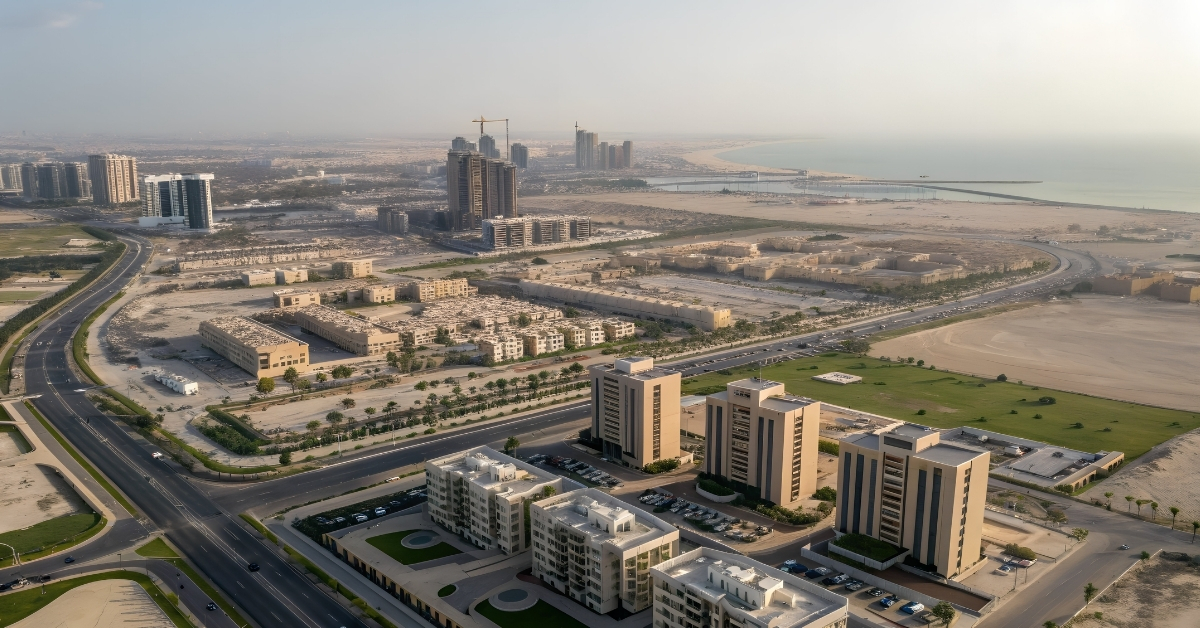
Qatar’s infrastructure development is anchored in Qatar National Vision 2030, which outlines economic diversification, population growth management, and sustainable urban expansion. Transport networks, utilities, and social infrastructure are designed to support permanent residency rather than temporary population surges.
This long-term approach limits overbuilding in isolated areas and concentrates growth in zones that can sustain employment, education, and daily life, which directly supports residential stability.
You can also read our guide to understand residential zoning in Qatar.
How Infrastructure Supports Residential Property Stability
Transport Connectivity
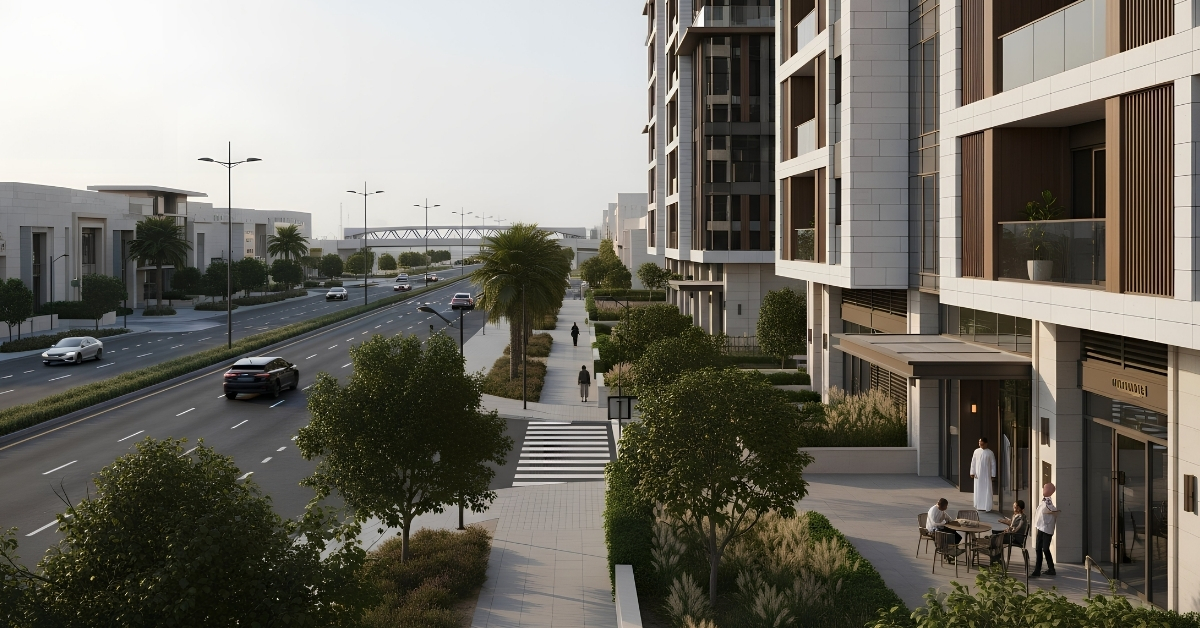
Permanent transport assets such as the Doha Metro, the Lusail Tram, and major road corridors improve commute reliability and reduce location risk. Properties within walking or short-drive distance of metro stations consistently show stronger tenant retention and resale interest, as confirmed by Qatar Rail.
Stable transport access allows residents to remain in one location even as employment centers evolve, which reduces vacancy cycles.
Utilities and Public Services
Reliable electricity, water, sewage, and digital infrastructure are essential for long-term residential appeal. Qatar General Electricity and Water Corporation confirms that network upgrades are planned in line with projected population growth rather than short-term demand spikes.
This planning reduces service bottlenecks that often destabilize residential neighborhoods in rapidly expanding cities.
Districts That Benefit Most From Planned Infrastructure
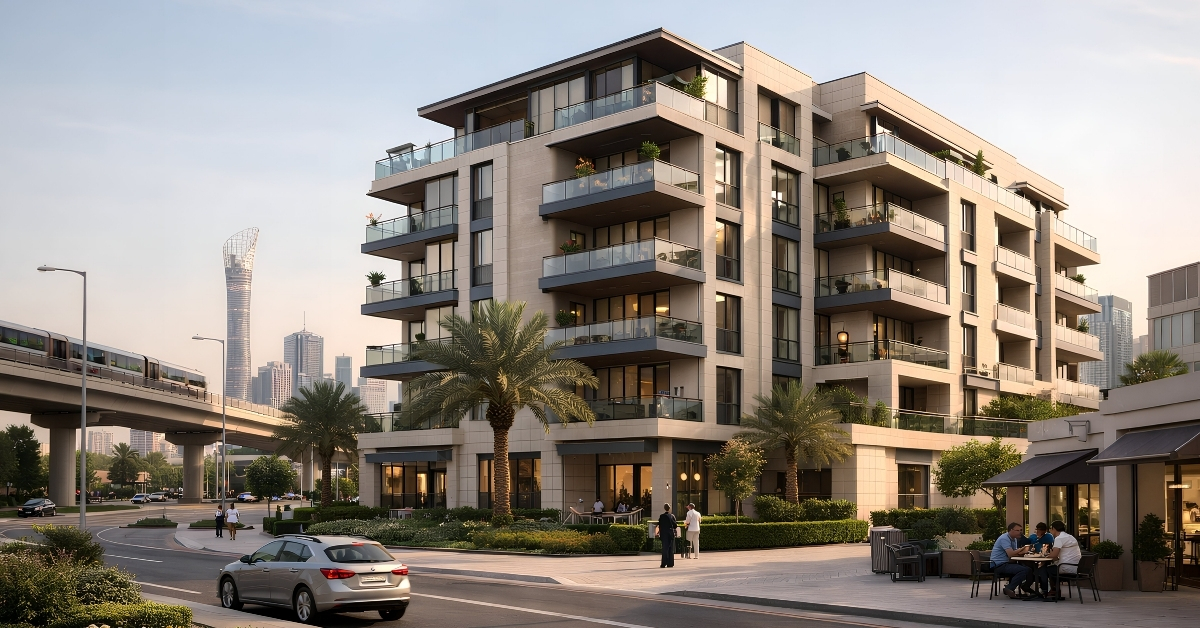
Infrastructure-led stability is most visible in districts developed as integrated communities rather than isolated projects.
- West Bay and Msheireb benefit from transport density and government services
- Lusail City integrates residential, commercial, and mobility planning
- Al Wakrah combines road access with family-oriented residential zoning
These areas consistently attract long-term tenants, including corporate residents and families, due to predictable infrastructure performance.
Short-Term Growth Versus Long-Term Stability
While infrastructure projects can create temporary demand surges during construction or launch phases, long-term stability depends on post-completion usage. Qatar’s model prioritizes infrastructure that serves permanent residents, including schools, healthcare facilities, and retail districts, supported by the Ministry of Municipality.
This reduces the risk of demand decline once projects are delivered, making infrastructure-linked neighborhoods more resilient to market cycles.
What This Means for Renters
Renters searching for apartments near metro stations, schools, or employment corridors benefit from infrastructure-backed stability through:
- Consistent rent levels over multi-year leases
- Lower relocation pressure due to changing commute needs
- Better access to services and daily amenities
For international residents, infrastructure stability often outweighs short-term rent discounts in less connected districts.
What This Means for Investors
From an investment perspective, long-term infrastructure planning reduces volatility risk. Properties located near permanent infrastructure assets typically experience:
- Higher average occupancy rates
- Stronger resale demand
- More predictable rental yields
Investors evaluating residential property in Doha often prioritize infrastructure maturity over speculative growth zones, particularly for long-term holding strategies.
How FGREALTY Helps Navigate Infrastructure-Led Markets
FGREALTY supports buyers and renters by aligning property choices with Qatar’s long-term planning realities. Our services include:
- Verified listings in infrastructure-supported districts
- Area guidance based on transport, services, and zoning
- Advisory support for long-term residency and investment planning
Whether you are relocating, renting, or investing, FGREALTY agents help translate national infrastructure strategy into practical housing decisions.
FAQs
Q: Does infrastructure planning really affect property stability?
A: Yes. Permanent infrastructure reduces vacancy risk and supports consistent residential demand.
Q: Which infrastructure matters most for housing?
A: Transport connectivity, utilities reliability, and access to schools and healthcare are the most influential.
Q: Are new infrastructure areas always stable?
A: Only if supported by long-term population and employment planning, not short-term development cycles.
Q: How can renters assess infrastructure quality?
A: By reviewing transport access, service coverage, and neighborhood planning history.