Safe Haven Real Estate: Why Qatar’s Property Market Continues to Grow Despite Regional Instability

Key Takeaways
- Qatar maintains strong financial reserves through the Qatar Investment Authority, which helps support economic stability during global uncertainty.
- Property transactions in Qatar remain regulated through the Ministry of Justice of Qatar, ensuring transparent real estate ownership records.
- Strategic urban developments such as Lusail City and The Pearl Qatar continue attracting residents and international buyers.
- Long-term development planning under Qatar National Vision 2030 supports infrastructure investment and economic diversification.
- Stable monetary policy under the Qatar Central Bank helps maintain investor confidence in the country’s financial system.
Introduction: Why Safe Haven Real Estate Matters During Global Uncertainty
International real estate investors often evaluate markets through stability indicators such as economic resilience, financial regulation, and infrastructure development. During periods of regional instability or geopolitical tensions, capital frequently moves toward locations that demonstrate strong institutional frameworks and predictable economic policies.
Qatar has increasingly been viewed as one of those stable environments in the Gulf region. The country combines strong fiscal reserves, modern infrastructure, and regulated property ownership systems. Real estate transactions are officially recorded through the Ministry of Justice Qatar, which maintains centralized property registration across the country.
For investors evaluating real estate opportunities in the Middle East, Qatar’s economic structure and urban development strategy provide important signals of long term stability.
Qatar’s Real Estate Market Amid Regional Instability
Economic Stability and Strong Financial Reserves
Qatar’s economy remains supported by global energy exports managed through the state energy company QatarEnergy. The country is one of the world’s leading exporters of liquefied natural gas, which continues to generate significant national revenue.
These revenues contribute to financial reserves managed by the Qatar Investment Authority. Sovereign wealth funds help governments maintain economic stability during periods of market volatility by investing globally and preserving capital.
Because of these financial resources, Qatar continues to invest in infrastructure projects, transportation networks, and residential developments even during periods of regional uncertainty.
Continued Urban Development Across Key Districts
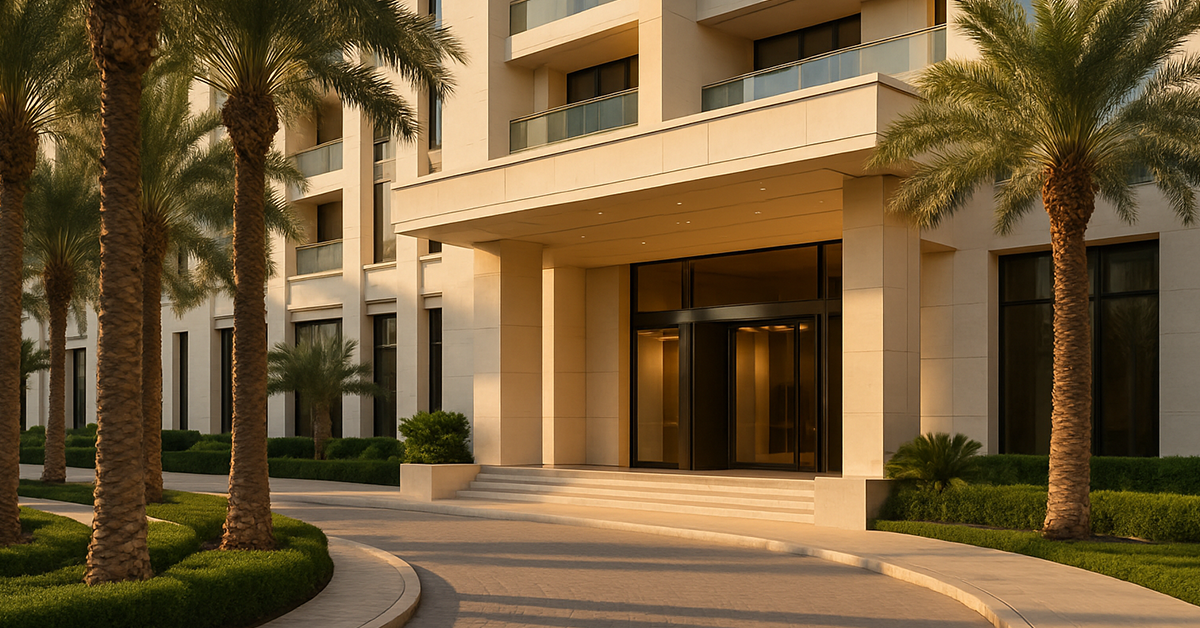
Real Estate Expansion in Lusail and Waterfront Communities
Despite broader geopolitical concerns across parts of the Middle East, Qatar continues to expand its residential and mixed-use developments.
One of the most prominent projects is Lusail City, a large-scale planned city designed to host residential neighborhoods, commercial centers, marinas, and entertainment venues. Lusail represents one of the largest urban developments in the region and continues attracting both residents and investors.
Similarly, waterfront communities such as The Pearl Qatar remain popular among expatriates and international property buyers due to their residential towers, retail districts, and marina lifestyle environment.
Transportation networks, including the Doha Metro, connect these districts to major commercial centers across Doha, improving accessibility for residents and visitors.
Infrastructure and Tourism Supporting Housing Demand
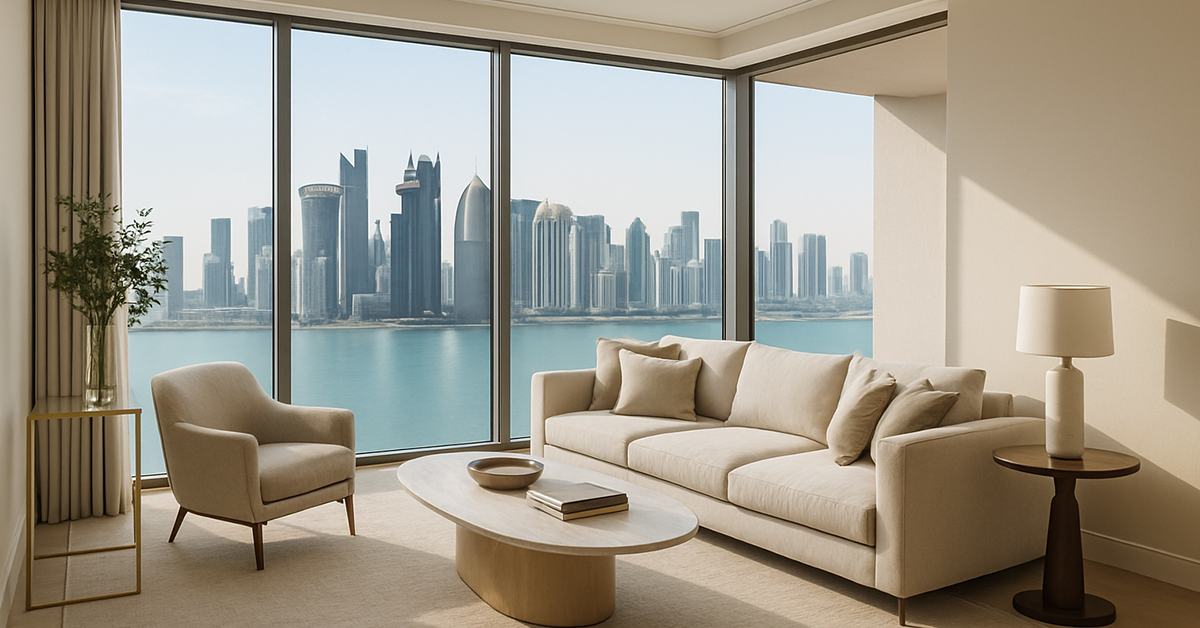
Qatar’s infrastructure development has accelerated over the past decade as part of long-term national planning. Modern highways, public transportation networks, and hospitality infrastructure continue to support population growth and tourism activity.
The global visibility created by the FIFA World Cup 2022 also increased international awareness of Qatar’s infrastructure and hospitality capacity.
As tourism and international business activity expand, demand for housing in locations near business districts, stadiums, and waterfront developments continues to grow.
What This Means for Property Investors
For international investors evaluating Middle Eastern markets, stability indicators such as currency policy, infrastructure investment, and regulatory transparency play a significant role in decision-making.
The Qatari Riyal remains pegged to the US dollar under the oversight of the Qatar Central Bank. This peg provides predictable exchange rates and reduces currency volatility for foreign investors.
Meanwhile, structured real estate registration under the Ministry of Justice helps ensure legal clarity for property ownership.
Combined with continued infrastructure investment and urban expansion, these factors contribute to Qatar’s reputation as a stable real estate environment in the Gulf region.
How FGREALTY Helps Investors Navigate the Market
FGREALTY provides verified real estate listings and advisory services for residents, expatriates, and international investors exploring property opportunities in Qatar.
Whether you are searching for
Our agents help clients navigate property regulations, location advantages, and verified market listings.
FAQs
Q: Is Qatar’s real estate market stable during regional tensions?
A: Qatar’s property market operates under regulated ownership laws, strong financial reserves, and infrastructure investment programs, which help maintain stability.
Q: Why do investors consider Qatar a safe real estate environment?
A: Investors often examine factors such as sovereign wealth reserves, economic diversification, currency stability, and transparent property registration.
Q: Which areas are popular for property investment in Qatar?
A: Lusail City, The Pearl, and West Bay Doha attract interest due to modern infrastructure and proximity to business and tourism districts.
Q: Can foreign investors purchase property in Qatar?
A: Foreign nationals can purchase property in designated freehold and usufruct zones defined by national property ownership regulations.