Why Global Investors Are Turning to Stable Gulf Markets During Geopolitical Uncertainty
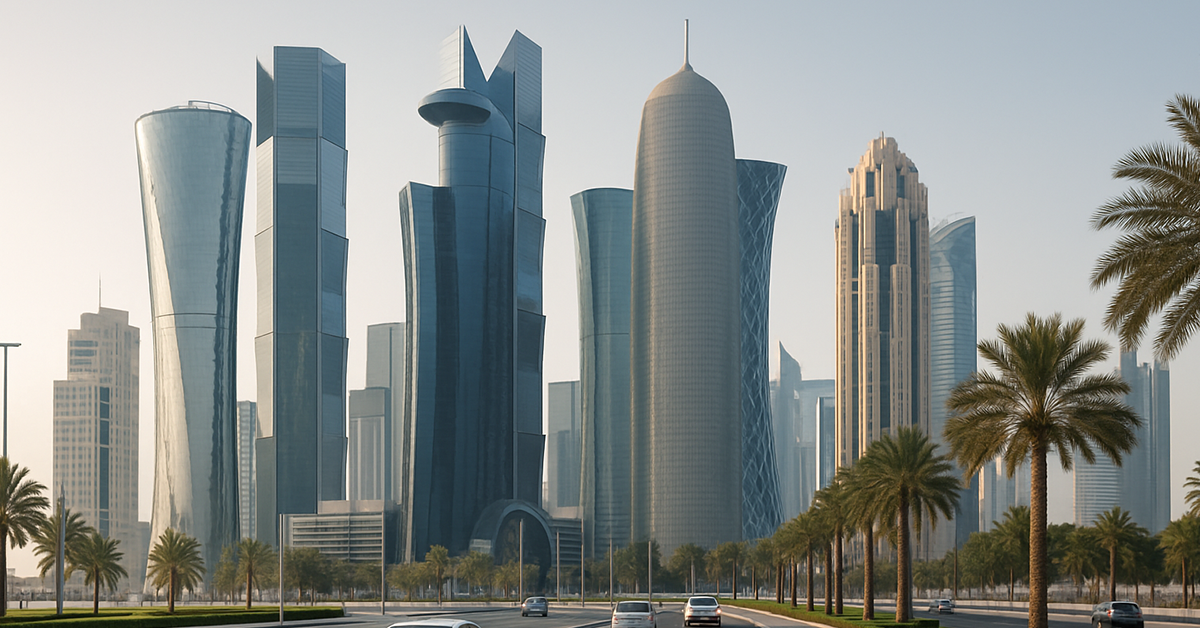
Key Takeaways
- Stable economic policy and sovereign reserves managed by the Qatar Investment Authority support long-term economic confidence.
- Currency stability is reinforced through the long-standing peg between the Qatari Riyal and the US dollar under the oversight of the Qatar Central Bank.
- Consistent infrastructure development in locations such as Lusail City and The Pearl Qatar supports housing and hospitality demand.
- Centralized property registration through the Ministry of Justice Qatar provides regulatory transparency for international investors.
- Diversification policies outlined in Qatar National Vision 2030 continue to shape economic growth beyond the energy sector.
Introduction: Why Investors Look for Stability During Global Uncertainty
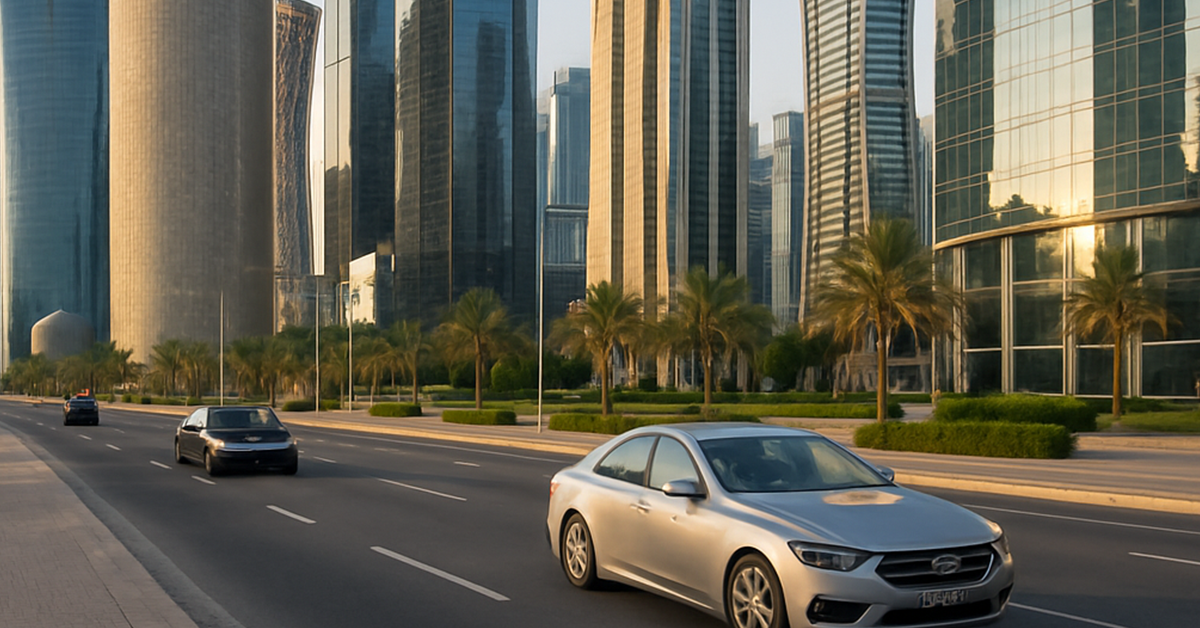
Periods of geopolitical uncertainty often influence global investment patterns. When markets experience volatility, investors frequently look for regions with strong regulatory frameworks, economic reserves, and long-term development strategies. Gulf economies with diversified infrastructure investments and strong fiscal positions often attract attention during such periods.
Qatar has positioned itself as a structured investment environment supported by transparent governance and strategic economic planning. The country’s real estate sector operates within a regulated property registration framework administered by the Ministry of Justice of Qatar, which maintains centralized land records and publishes official real estate transaction bulletins.
For international investors researching stable property markets, Qatar’s regulatory clarity and long-term development strategy provide useful indicators when evaluating opportunities in the Gulf region.
Qatar’s Economic Stability and Investment Environment
Energy Revenues and Sovereign Wealth
The global energy sector strongly supports Qatar’s economy. The country remains one of the largest exporters of liquefied natural gas through operations managed by QatarEnergy. Qatar’s LNG exports continue to generate significant national revenue, supporting government investment in infrastructure, tourism, and urban development.
In addition to energy revenues, Qatar maintains large financial reserves through the Qatar Investment Authority, which manages global assets and supports economic stability during changing market conditions. Sovereign wealth funds often serve as financial buffers that help governments maintain long-term development plans even during global volatility.
These economic fundamentals strengthen investor confidence when evaluating real estate markets linked to national development programs.
Currency Stability and Financial Oversight

The US Dollar Peg and Monetary Policy
Currency stability is another factor international investors consider when evaluating property investments. The Qatari Riyal has been pegged to the US dollar for decades under the supervision of the Qatar Central Bank.
This peg provides exchange rate stability and reduces currency risk for international investors purchasing assets in Qatar. Central bank oversight also helps maintain financial system stability through banking regulation and financial supervision.
Stable currency frameworks often attract international capital seeking predictable investment environments.
Infrastructure Investment and Urban Development
Planned Cities Supporting Economic Growth
Qatar’s long-term development strategy focuses heavily on infrastructure and urban planning. New districts such as Lusail City represent large-scale urban developments that combine residential communities, business districts, hospitality assets, and entertainment venues.
Similarly, waterfront developments such as The Pearl Qatar have become established residential and tourism locations attracting international residents and investors.
Transportation infrastructure, including the Doha Metro, connects these districts to business areas, commercial centers, and sports venues throughout the capital.
These developments align with national economic planning under Qatar National Vision 2030, which aims to diversify the economy through tourism, knowledge industries, and urban development.
What This Means for Real Estate Investors
Investors researching international property markets typically examine long-term economic indicators such as government policy, infrastructure development, and regulatory transparency.
Residential and mixed-use developments in locations such as Lusail, West Bay, and The Pearl continue to attract international tenants, professionals, and investors due to proximity to business districts and tourism infrastructure.
How FGREALTY Supports Investors and Residents
FGREALTY provides verified real estate listings and advisory services for clients exploring property opportunities across Doha and surrounding districts.
Whether you are researching
Our agents help buyers understand property regulations, location advantages, and verified market listings. By combining local expertise with verified data from official sources, FGREALTY supports both residents and international investors exploring Qatar’s property market.
FAQs
Q: Why do geopolitical tensions influence investment flows?
A: Investors often shift capital toward regions that demonstrate economic stability, transparent governance, and predictable regulatory frameworks.
Q: Why is Qatar considered a stable investment environment?
A: Qatar’s economic reserves, sovereign wealth funds, regulated banking system, and infrastructure investments contribute to a stable investment climate.
Q: Can foreigners invest in property in Qatar?
A: Yes. Foreign nationals can purchase property in designated freehold and usufruct zones as defined by national property ownership regulations.
Q: Which areas attract international real estate investors in Qatar?
A: Locations such as Lusail City, The Pearl, and West Bay are commonly explored due to infrastructure development and proximity to commercial districts.