Sustainability in Qatar Real Estate: How Green Building Standards Are Influencing Buyers
Key Takeaways
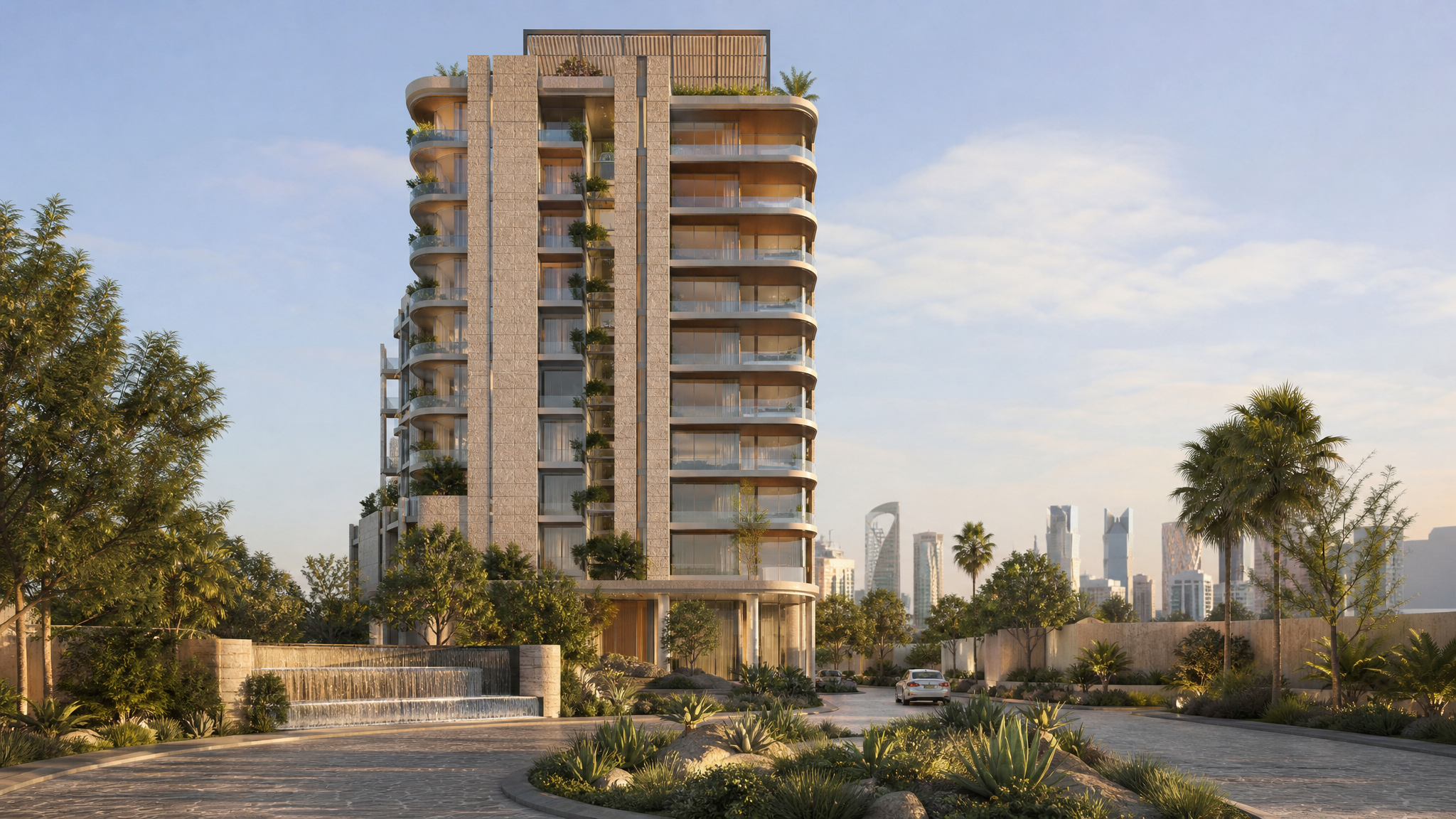
- Sustainability is becoming a measurable factor in Qatar’s residential and commercial property demand
- GSAS-certified developments are influencing buyer confidence and long-term asset value
- Energy-efficient buildings reduce operational costs and improve tenant retention
- Qatar National Vision 2030 continues to accelerate sustainable urban development
- Areas such as Msheireb Downtown Doha and Lusail are leading green real estate adoption
- International investors increasingly consider sustainability standards before purchasing property in Qatar
Introduction: Why Sustainability Is Becoming a Real Estate Priority in Qatar
Property buyers in Qatar are no longer focused only on location and luxury. Long-term operating costs, energy efficiency, environmental standards, and urban sustainability are becoming important decision-making factors.
This shift aligns with Qatar National Vision 2030, which prioritizes sustainable development and resource efficiency across infrastructure and real estate projects. According to the Gulf Organisation for Research and Development, Qatar’s GSAS framework has become one of the region’s leading building sustainability systems.
How Green Building Standards Are Reshaping Qatar Real Estate
Qatar primarily uses the Global Sustainability Assessment System, known as GSAS, to evaluate building sustainability performance.
GSAS measures:
- energy efficiency
- water conservation
- indoor environmental quality
- waste management
- urban connectivity
Why Buyers Are Paying Attention
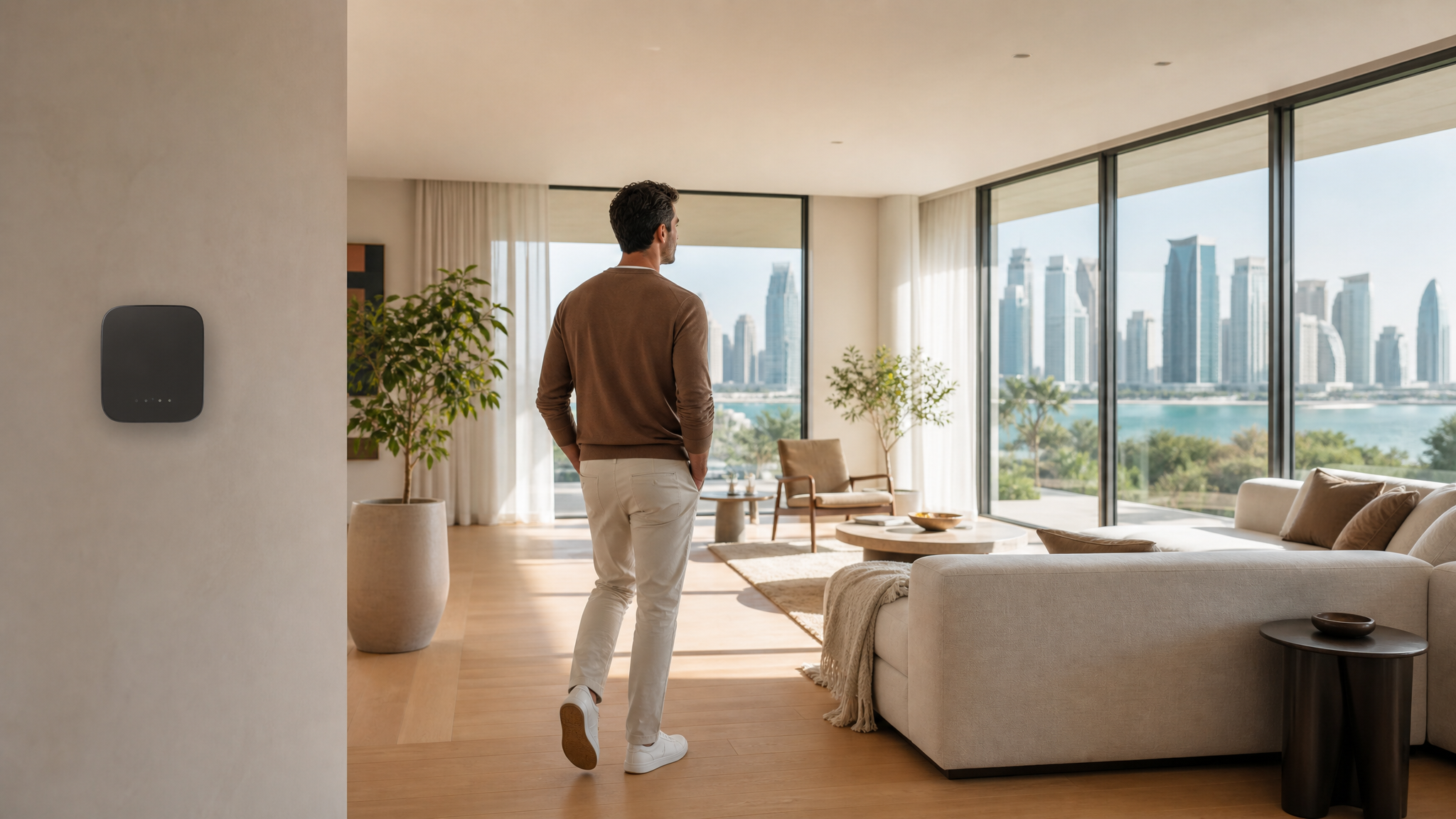
Green buildings are increasingly associated with lower operational expenses and better living environments.
For buyers and tenants, this often means:
- lower utility bills
- improved air quality
- efficient cooling systems
- better long-term building performance
The Gulf region continues to show increasing occupier preference for sustainable and energy-efficient properties, especially among international companies and high-income residents. This trend is particularly visible in districts connected to modern infrastructure and walkable urban planning.
Msheireb Downtown Doha and Lusail as Sustainability Benchmarks
Msheireb Downtown Doha
Msheireb Downtown Doha has become one of the most recognized sustainable urban developments in the region.
The district integrates:
- smart cooling systems
- pedestrian-friendly design
- energy-efficient architecture
- public transport accessibility
Msheireb Properties states that the development is designed around sustainable urban regeneration principles while reducing energy and water consumption. Its location near major commercial zones also supports demand among professionals seeking walkable living environments.
Lusail City
Lusail continues to expand as a smart city development focused on sustainable infrastructure.
The city integrates:
- district cooling systems
- smart traffic management
- public transit connectivity
- energy-efficient master planning
As Lusail expands its residential and commercial offerings, sustainable infrastructure is becoming a major selling point for investors and end users.
Sustainability and Long-Term Property Value
Operational Efficiency Matters
Sustainable properties may require higher initial investment, but buyers increasingly evaluate total ownership cost rather than purchase price alone.
Energy-efficient buildings can reduce:
- electricity consumption
- cooling expenses
- maintenance requirements over time
This is especially relevant in Qatar’s climate, where cooling demand significantly affects operational costs. According to the International Energy Agency, buildings remain one of the largest contributors to energy consumption globally, increasing pressure on developers to prioritize efficiency.
Tenant Retention and Occupancy Stability
Modern tenants increasingly prioritize quality infrastructure and efficient living environments. Properties offering sustainability features often benefit from:
- Higher tenant satisfaction
- lower vacancy risk
- improved long-term retention
International companies relocating employees to Qatar also prefer buildings aligned with global sustainability standards. This directly supports residential demand near business hubs, transport corridors, and mixed-use districts.
Why Sustainability Aligns With Qatar’s Broader Economic Strategy
Qatar’s investment in sustainability is connected to wider economic diversification goals.
Government-backed initiatives continue to support:
- green infrastructure
- efficient urban planning
- environmental responsibility
- smart city integration
Large-scale projects linked to transportation, tourism, and commercial growth increasingly incorporate sustainability requirements. This strengthens international investor confidence while supporting long-term real estate market stability.
What This Means for Property Investors
For investors evaluating Qatar’s market, sustainability is no longer a niche feature. It is becoming part of mainstream demand patterns.
Key considerations now include:
- building certification standards
- operational efficiency
- infrastructure connectivity
- long-term tenant appeal
- future regulatory alignment
Areas with strong sustainability integration are increasingly viewed as resilient long-term investment locations.
How FGREALTY Supports Sustainable Property Searches
FGREALTY helps buyers and investors identify properties aligned with modern sustainability standards across Qatar.
Whether you are exploring:
FGREALTY agents provide verified listings and market insights based on infrastructure quality, long-term demand, and investment performance. We help clients evaluate properties beyond aesthetics by focusing on operational value and future market positioning.
FAQs
Q: What is GSAS in Qatar real estate?
A: GSAS is Qatar’s sustainability assessment system used to evaluate building performance in areas such as energy efficiency and environmental impact.
Q: Are green buildings more expensive in Qatar?
A: Initial prices may be higher, but operational savings and stronger long-term demand can improve value over time.
Q: Which areas in Doha are known for sustainable developments?
A: Msheireb Downtown Doha and Lusail are among the leading sustainable urban districts in Qatar.
Q: Why are investors focusing on sustainable properties?
A: Sustainable buildings often provide lower operating costs, better tenant retention, and stronger future market relevance.