Understanding Qatar’s Free Zones for Commercial Property Investors
Key Takeaways
- Qatar Free Zones Authority currently oversees two free zones, Ras Bufontas and Umm Alhoul, rather than a broad network of unrelated commercial free zones.
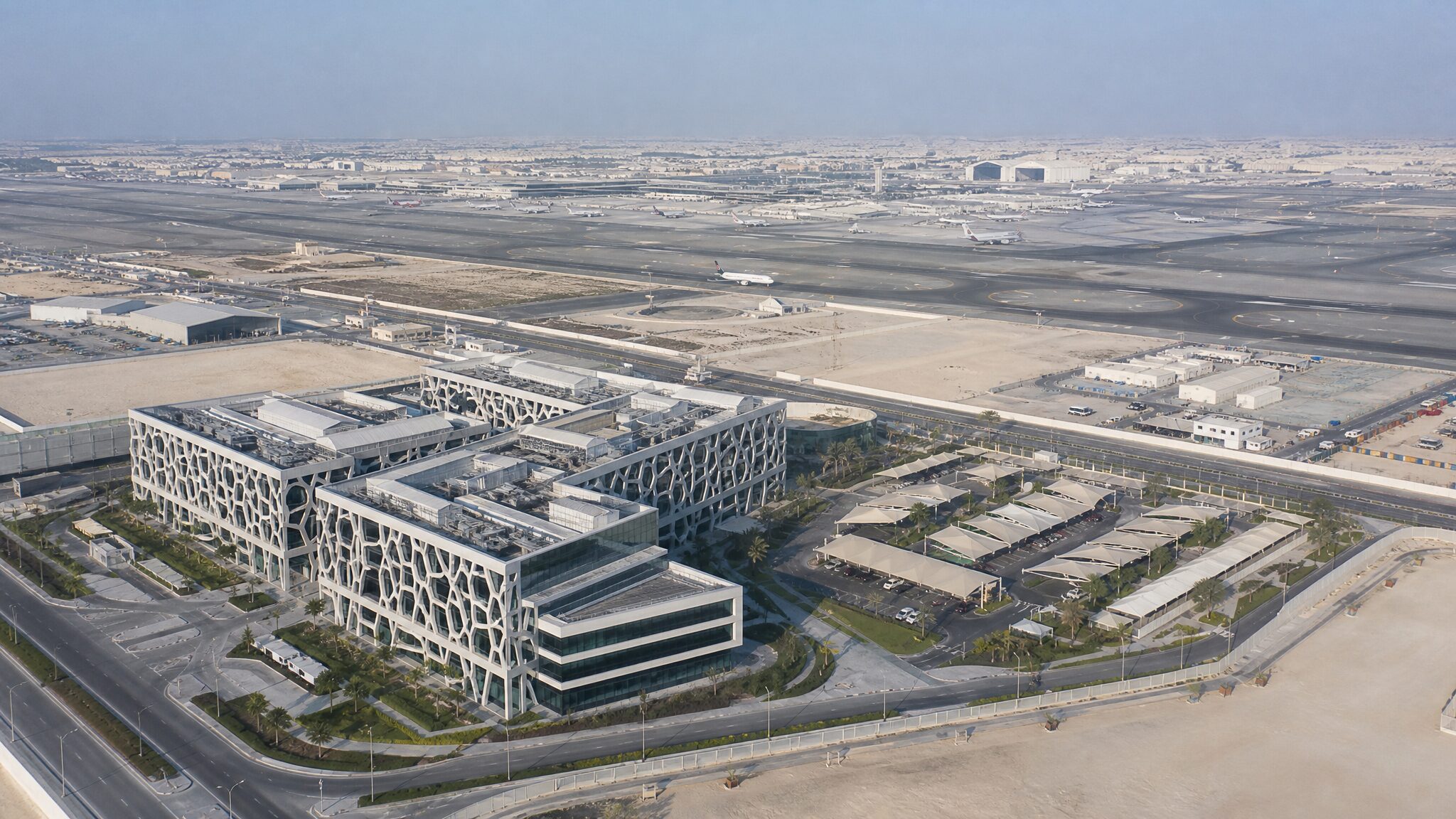
- Ras Bufontas covers 4 km² and is positioned next to Hamad International Airport, while Umm Alhoul covers approximately 32 km² and is located near Hamad Port.
- Qatar Free Zones offer 100% foreign ownership, a 20-year renewable corporate tax holiday, zero customs duties on qualifying imports, and full capital repatriation under its stated framework.
- QFZ reported that its investor base had exceeded 800 companies from more than 60 countries in April 2026.
- Free-zone real estate is governed by QFZ’s own land lease and use regulations. Leases must be written, registered, approved by the Authority, and connected to a permitted activity.
- The two zones serve different commercial purposes. Ras Bufontas is focused on airport-linked activities such as logistics, technology, pharmaceuticals, consumer products, and light manufacturing, while Umm Alhoul targets maritime, logistics, advanced manufacturing, and industrial activities.
What Are Qatar’s Free Zones?
Qatar’s free zones are designated economic areas created to attract companies operating in sectors such as logistics, manufacturing, maritime services, technology, and other targeted industries. For commercial property investors, the key distinction is that the zones combine business incentives with purpose-built real estate and infrastructure.
QFZ was established in 2018 to develop and regulate Qatar’s free zones. Its current framework includes dedicated company, licensing, land lease, building, planning, and health and safety regulations.
The property model is therefore different from simply purchasing a commercial unit in an ordinary real estate market. Investors and businesses need to examine the QFZ lease framework, permitted activity, property use, and applicable approvals together.
Which Free Zones Can Commercial Investors Consider?
The two QFZ zones have different locations, infrastructure, and sector priorities, so the appropriate choice depends heavily on the company’s operational requirements.
Ras Bufontas Free Zone
Ras Bufontas covers 4 km² and is located directly adjacent to Hamad International Airport. QFZ identifies logistics, consumer products, light manufacturing, services, technology, and pharmaceuticals among its target sectors.
Its property infrastructure includes:
- 24 light industrial units
- 2 km² of serviced land plots
- Office accommodation
- Flexible facilities that can be built, commissioned through QFZ, or taken as pre-built facilities
This makes the zone particularly relevant to businesses where air connectivity and rapid movement of goods matter.
Umm Alhoul Free Zone
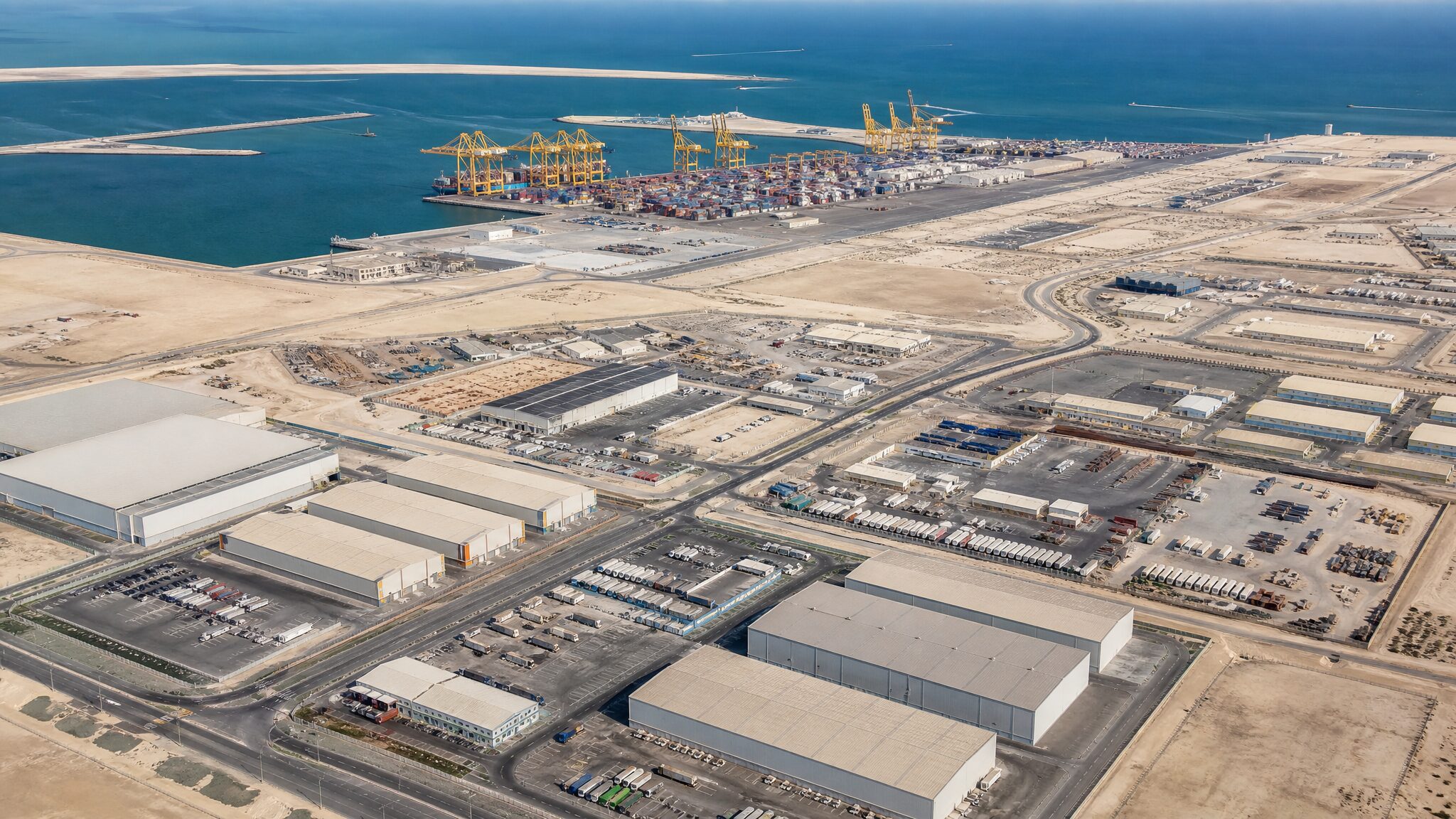
Umm Alhoul covers approximately 32 km² and sits near Hamad Port. Its target sectors include heavy manufacturing, logistics, industrial activities, downstream petrochemicals, emerging technology, and maritime services.
The zone includes:
- 1.8 km² of serviced land plots
- 14 light industrial units
- MARSA maritime facilities
- Direct access to Hamad Port
- Infrastructure designed for industrial and maritime businesses
For companies dependent on sea freight, manufacturing inputs, maritime services, or industrial supply chains, Umm Alhoul offers a fundamentally different proposition from an airport-oriented location.
What Property Options Exist Inside the Free Zones?
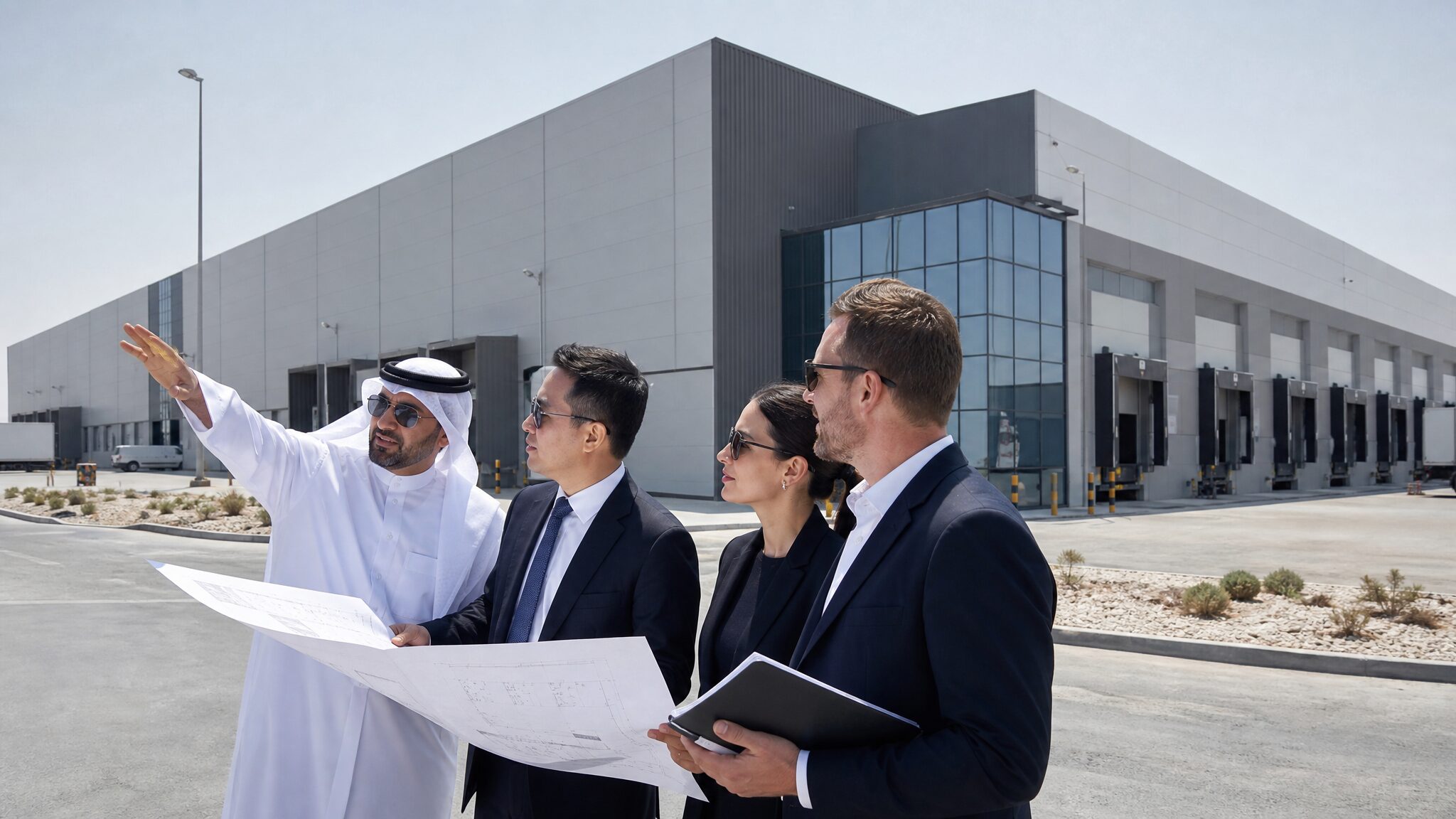
Qatar Free Zones provide several commercial real estate solutions rather than a single property format. Depending on the zone and activity, businesses can access offices, industrial units, serviced plots, and other purpose-built facilities.
QFZ describes its property model as offering bespoke property solutions, while individual zone information confirms the availability of serviced land and industrial units.
For a commercial investor or business, the choice can therefore include:
- Office accommodation
- Light industrial units
- Warehousing and logistics facilities
- Serviced land plots
- Purpose-built facilities
- Maritime facilities
The correct option depends on whether the company needs office space, storage, manufacturing capacity, logistics infrastructure, or a facility designed around a specific permitted activity.
What Financial Incentives Do Qatar’s Free Zones Offer?
QFZ’s incentives are one of the main reasons international companies consider establishing operations within the zones.
According to QFZ, qualifying investors benefit from:
- 100% foreign ownership
- 20-year renewable corporate tax holidays
- Zero customs duties on imports into the free zones under the applicable framework
- Full capital repatriation
- No individual income tax
QFZ also states that goods can be stored, manufactured, produced, processed, or re-exported within the zones without customs duties, while goods entering Qatar’s local market are subject to the applicable customs procedures.
These incentives should not be interpreted as a blanket exemption for every company or transaction. Eligibility depends on the applicable QFZ framework, activity, licensing, and use.
How Does Free Zone Leasing Work?
Commercial property inside a QFZ is governed by a specific land lease and use framework. Under the current QFZ regulations, a lease may take the form of a Master Lease or Sub-Lease and must be in writing, use the prescribed form, be registered in the Lease Register, and receive Authority approval.
The permitted use must also correspond to the company’s permitted activity.
This means an investor should not select a property first and assume that any business can operate from it. The company’s activity and the property’s approved use need to align.
What About Subleasing?
Subleasing and assignment are regulated. QFZ’s framework requires Authority approval for relevant subleasing or assignment arrangements.
This is particularly important for investors considering a property strategy based on leasing space to another business. The potential income model must be checked against the applicable QFZ regulations and lease terms before committing capital.
Why Does Location Matter So Much?
The strongest property advantage of the QFZ model is its connection to major transport infrastructure.
QFZ states that its free zones provide direct access to Qatar’s airport and seaport infrastructure. Its current logistics information says more than 60% of the world’s population is within eight hours’ flying time and five days’ sailing time from the zones.
For businesses, that connectivity can influence the appropriate property location.
Ras Bufontas is better aligned with:
- Air cargo and time-sensitive goods
- Pharmaceuticals
- Technology businesses
- Consumer products
- Light manufacturing
Umm Alhoul is better aligned with:
- Maritime businesses
- Sea freight
- Heavy manufacturing
- Logistics
- Industrial activities
- Petrochemical-related industries
Is a Qatar Free Zone the Same as a Freehold Property Area?
No. This is one of the most important distinctions for property investors.
A free zone is an economic and regulatory area designed for businesses, while freehold property concerns real estate ownership rights under Qatar’s property ownership framework.
QFZs’ current land regulations specifically govern the lease, occupation, and use of real property within the free zones.
Therefore, an investor interested in commercial real estate should first determine whether the objective is:
- Establishing a business in a QFZ
- Leasing a commercial facility
- Developing a facility on a serviced plot
- Investing in conventional commercial property
- Purchasing property under Qatar’s applicable ownership framework
These are different investment decisions.
What Should Investors Check Before Choosing a Free Zone?
The right zone depends on the business model, property requirement, and permitted activity.
Before committing, verify:
- Whether the proposed activity is on the QFZ permitted activities list
- Whether the required property type is available
- Whether the location supports the company’s supply chain
- Lease structure and duration
- Service charges and other applicable fees
- Construction or fit-out requirements
- Utility availability
- Customs treatment for imported goods
- Rules governing local-market sales
- Sublease or assignment restrictions
- Building and planning approvals
- Exit and transfer provisions
QFZ maintains dedicated regulations covering licensing, land use, building permits, planning, companies, and other areas, so due diligence should cover more than the headline tax incentives.
What Does the Current Investor Base Tell Us?
There is measurable evidence that international companies are already using the QFZ ecosystem.
In April 2026, QFZ reported that its investor base had grown to more than 800 companies representing over 60 countries.
That figure does not prove that every free-zone property will appreciate or generate a particular return. It does, however, provide a concrete indication of the international business presence already established within the QFZ ecosystem.
For property investors, the more relevant question is whether a specific facility benefits from that business activity through location, permitted use, infrastructure, and tenant demand.
How FGREALTY Can Help
FGREALTY can help international businesses and commercial property seekers compare suitable property options across Qatar based on location, use, size, accessibility, and business requirements.
Our commercial real estate agent support can include:
- Sourcing verified commercial listings
- Identifying suitable office, warehouse, industrial, and other commercial properties
- Comparing locations based on business requirements
- Arranging property viewings
- Providing local area and property insights
- Supporting the commercial leasing or acquisition process
- Helping international clients understand the practical property considerations before making a decision
For QFZ-specific licensing, regulatory, tax, and legal matters, investors should confirm the applicable requirements directly with Qatar Free Zones Authority and qualified professional advisers.
FAQs
Q: Can a company sell goods from a Qatar free zone into the local market?
A: Goods entering Qatar’s local market are subject to the applicable customs procedures, unlike qualifying goods handled within the free zone for storage, processing, manufacturing, or re-export.
Q: Are free-zone properties suitable for residential use?
A: QFZ real property must be suitable for the licensed permitted activity. Its land-use framework is designed around approved commercial and economic activities rather than residential occupation.
Q: Can investors build their own facilities in a Qatar free zone?
A: Yes. QFZ states that companies can use serviced plots and either build their own facilities, have QFZ build to their specifications, or use pre-built facilities where available.
Q: Which Qatar free zone is closer to Hamad International Airport?
A: Ras Bufontas is the airport free zone and is directly adjacent to Hamad International Airport. It covers 4 km² and focuses on sectors including logistics, technology, pharmaceuticals, consumer products, and light manufacturing.
Q: Which free zone is designed around maritime and port-related activity?
A: Umm Alhoul is the port free zone near Hamad Port. QFZ identifies maritime services, logistics, heavy manufacturing, industrial activities, and downstream petrochemicals among its focus areas.