Qatar Mortgage Market Explained For Property Buyers

Key Takeaways
- Mortgage eligibility in Qatar depends on residency, income, property type, and the lender’s criteria.
- Qatar Central Bank’s published rules set maximum financing limits for different borrower and property categories.
- Commercial Bank advertises non-resident financing of up to 60% for completed properties.
- A bank’s advertised maximum is not a guarantee of approval.
- Compare the total repayment, fees, and early repayment conditions, not just the interest rate.
- Foreign buyers must confirm property ownership eligibility separately from mortgage approval.
How Does The Qatar Mortgage Market Work?
Qatar’s mortgage market allows eligible buyers to finance property through banks and other licensed lenders. Qatar Central Bank regulates the banking sector and sets rules for real estate financing, including limits that depend on borrower status, property value, and whether the property serves residential or investment purposes.
For buyers, the practical question is not simply whether mortgages exist. It is how much a lender may finance, what deposit you need, and whether your income and chosen property meet its criteria. Residents, non-residents, and commercial investors may face different requirements.
Who Can Get A Mortgage In Qatar?
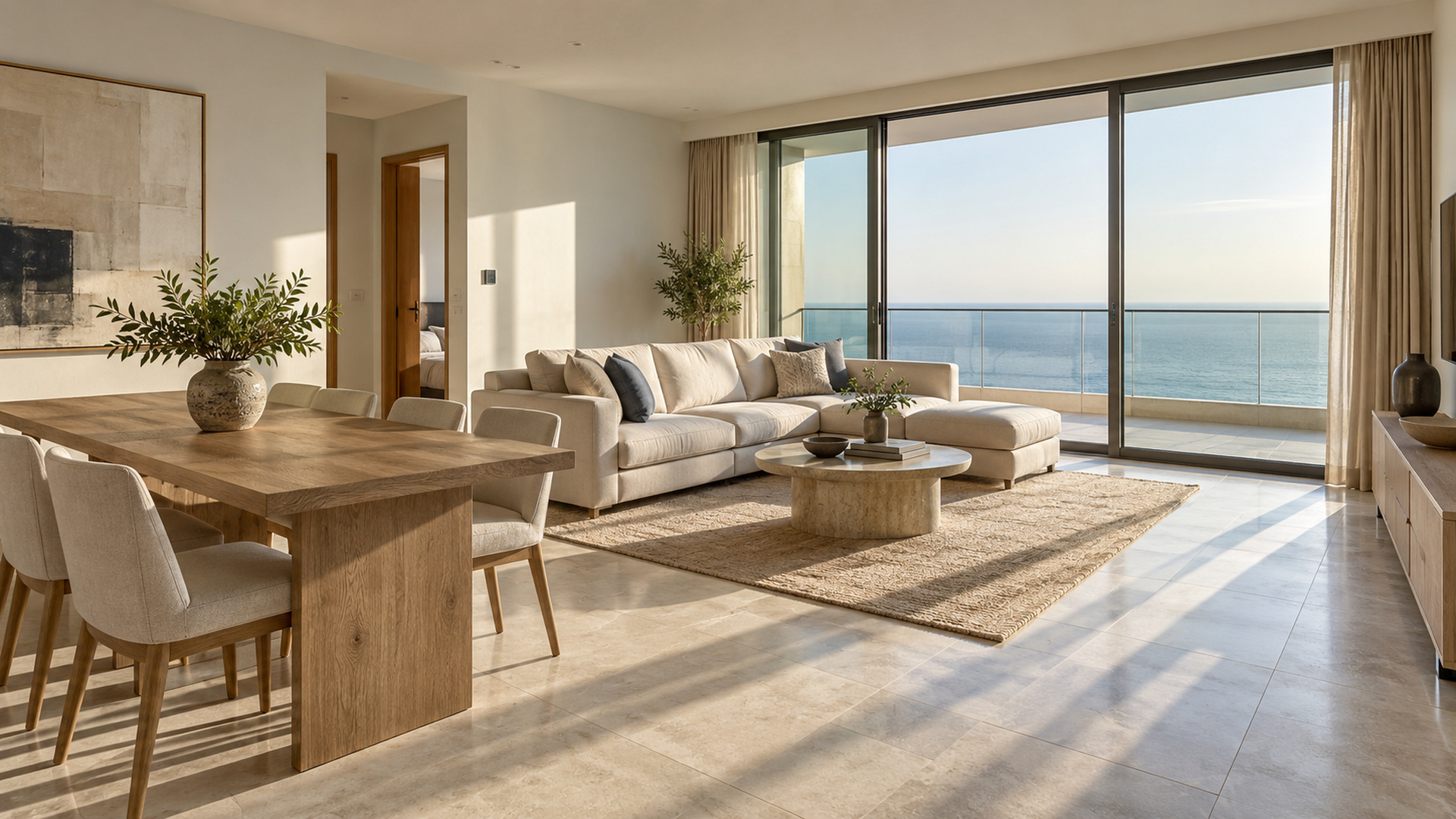
Qatar residents and non-resident international buyers may both find mortgage options, but eligibility and terms differ by lender and property. Banks typically assess income, existing liabilities, credit history, the source of the deposit, and the property itself before making a decision.
For example, Commercial Bank Qatar advertises a mortgage product for non-resident expatriates, so living outside Qatar does not automatically rule out financing. However, its published terms restrict eligible properties and developers, and the bank still requires supporting financial and property documents.
Expect to prepare some or all of the following:
- Passport and identification documents.
- Proof of income and employment or business earnings.
- Bank statements and evidence of the deposit’s source.
- Credit history or a credit bureau report.
- Property documents and a valuation report.
The lender will confirm the exact documentation required for your circumstances.
How Much Deposit Do You Need For A Qatar Mortgage?
Your deposit depends on the lender’s financing offer, the property’s value, and the mortgage category. The loan-to-value ratio, or LTV, expresses the percentage of a property’s value that the lender finances. If a lender offers 60% LTV, you must fund the remaining 40% before transaction costs.
Commercial Bank Qatar’s published non-resident product offers financing of up to 60% for completed properties and up to 50% of the forced-sale value for properties under construction. Its terms also require a deposit equivalent to six monthly installments in an account.
Consider a completed property priced at QAR 2 million. If the bank approves financing at 60% of that value, the mortgage would be QAR 1.2 million and your deposit would be QAR 800,000. This is an illustrative calculation, not an approval or a promise that the bank will value the property at its purchase price.
Budget separately for registration, legal, valuation, bank, and other applicable transaction costs.
How Do Interest Rates Affect Your Mortgage Cost?
Your mortgage interest rate determines how much you pay to borrow, but the rate advertised by a bank may differ from the rate offered to you. The final cost can depend on the product, repayment term, borrower profile, rate structure, and applicable fees.
Qatar Central Bank’s policy lending rate is a monetary policy benchmark, not the mortgage rate every customer pays. Ask each lender for a written offer that clearly states:
- Whether the rate is fixed, variable, or subject to review.
- The monthly installment and total repayment over the full term.
- Any arrangement, valuation, account, or insurance-related costs.
- Early repayment and partial prepayment conditions.
- What happens if the rate changes during the loan.
Compare offers using the same loan amount and tenure. A lower initial rate may not mean a lower total cost if fees or later rate adjustments differ.
Can Foreign Buyers Finance Property In Qatar?
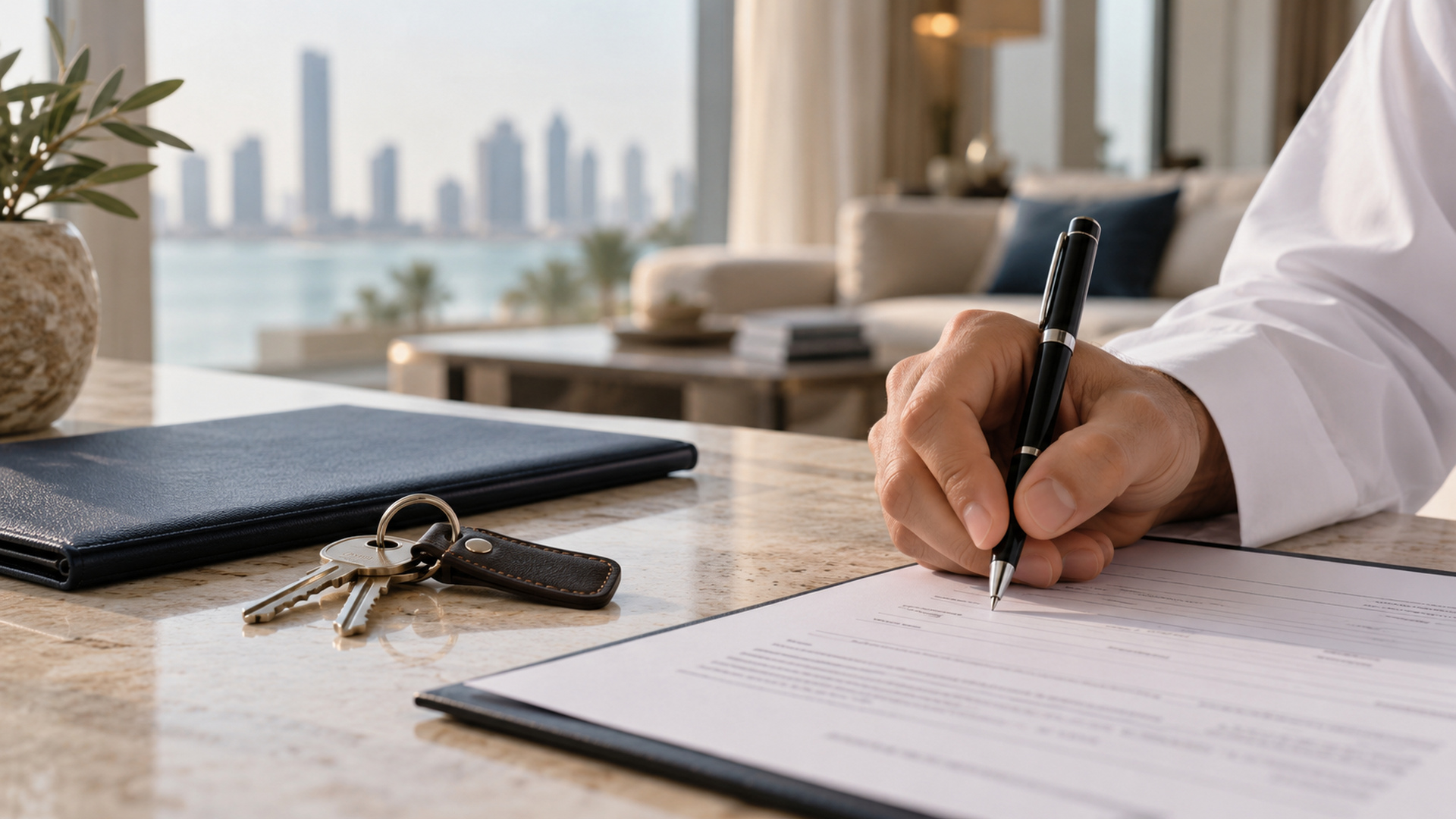
Yes, some lenders offer financing to non-resident foreign buyers, but the property must meet the lender’s conditions and the buyer must satisfy its financial requirements. Commercial Bank Qatar, for instance, limits its advertised non-resident mortgage to eligible properties in authorized areas and, for certain purchases, developers approved by the bank.
Foreign ownership eligibility is a separate legal question. Qatar permits non-Qataris to own property in designated areas under applicable rules, but buyers should confirm the specific unit’s status before applying for financing or signing a purchase agreement.
If residency is part of your plan, check the official property-linked residency requirements separately. A mortgage approval does not itself grant residency.
Check out our current listings for properties for sale in Qatar.
What Costs Should You Budget For Beyond The Deposit?
Your upfront budget should cover more than the down payment. Depending on the transaction, costs may include mortgage registration, valuation, bank fees, legal advice, insurance, and ongoing building or community charges.
Qatar’s Ministry of Justice lists a mortgage registration fee of 0.025% of the secured debt, plus QAR 100 for issuance of a title deed and/or real estate registration plan under its published service information. Confirm the current fee and any additional charges directly with the ministry and lender before completing the transaction.
For an investment property, also model service charges, maintenance, periods without rental income, and potential financing-rate changes. These costs affect cash flow even when the property remains occupied.
How FGREALTY Qatar Can Help
FGREALTY can help buyers identify verified listings, compare properties across communities such as The Pearl, Lusail, and West Bay, and shortlist options that fit their budgets and intended use. FGREALTY agents can also help international buyers understand the practical steps involved in purchasing property and coordinate property details needed for lender discussions.
For investors, we can help compare asking prices, unit types, rental prospects, and ongoing costs. Buyers should obtain formal financing terms from a licensed bank and independent legal advice where needed before committing.
FAQs
Q: Can I Get A Mortgage If I Am Self-Employed?
A: Possibly. Lenders may assess business income, financial statements, bank records, credit history, and the stability of earnings. Requirements vary, so ask the bank which documents it accepts for your business structure and country of residence.
Q: Can I Pay Off My Qatar Mortgage Early?
A: Early repayment depends on the terms of your mortgage agreement and the lender’s applicable rules and fees. Request written confirmation of any charges before signing, especially if you expect to sell the property or repay the loan ahead of schedule.
Q: Can A Bank Reject A Property Even If I Qualify Financially?
A: Yes. A lender may reject a property because of its location, legal status, valuation, construction stage, or failure to meet its lending criteria. Confirm that both the borrower and the property qualify before proceeding.
Q: Does Mortgage Pre-Approval Guarantee The Loan?
A: No. Pre-approval is an initial assessment based on the information available at that stage. The lender may still need to verify documents, value the property, and complete its final underwriting checks before issuing a binding offer.
Q: Can I Use Rental Income To Qualify For An Investment Mortgage?
A: Some lenders may consider rental income, but the amount they recognize and the documentation they require can vary. Ask whether the bank accepts existing tenancy contracts, projected rent, or only income already supported by records.