How Qatar’s Road Connectivity Shapes Residential Demand and Urban Growth

Key Takeaways
- Qatar has developed a nationwide road network linking Doha, Lusail, Al Wakrah, and Al Khor with high-capacity expressways
- Road connectivity directly influences residential demand, commute efficiency, and rental stability
- Infrastructure investment has reduced travel times between emerging and established districts
- Areas connected to expressways and orbital routes show stronger long-term housing demand
- Buyers and renters increasingly prioritize accessibility over proximity alone
Introduction and Market Context
Over the past decade, Qatar has invested heavily in road connectivity as part of its national development strategy. These investments were not limited to event readiness but focused on long-term urban mobility, economic diversification, and residential livability. Today, the country’s road infrastructure connects major residential districts, employment hubs, and logistics corridors with an efficiency that directly affects real estate demand.
For international residents, investors, and corporate tenants, road access is a practical consideration rather than a lifestyle preference. At the awareness stage, understanding how Qatar’s road network supports daily commuting and long-term growth helps frame better housing and investment decisions beyond headline development projects.
Overview of Qatar’s Road Infrastructure Network
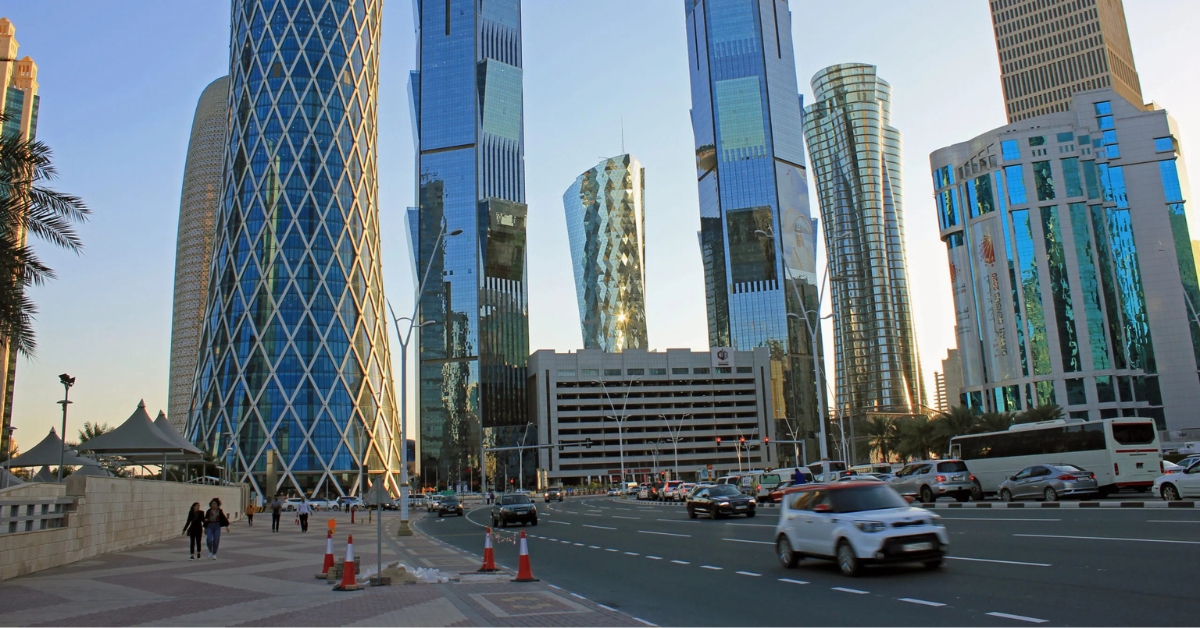
Qatar’s road system is structured around expressways, arterial roads, and orbital routes designed to reduce congestion and improve cross city movement.
Key components include
- The Orbital Highway connects northern, southern, and western municipalities without passing through central Doha
- Lusail Expressway linking Doha to Lusail City and The Pearl
- Al Khor Coastal Road supports access to northern residential and industrial zones
- Upgraded Salwa Road, improving access to Al Wakrah and logistics areas
These corridors form the backbone of daily commuting patterns and influence where residential demand concentrates.
How Road Connectivity Influences Residential Demand
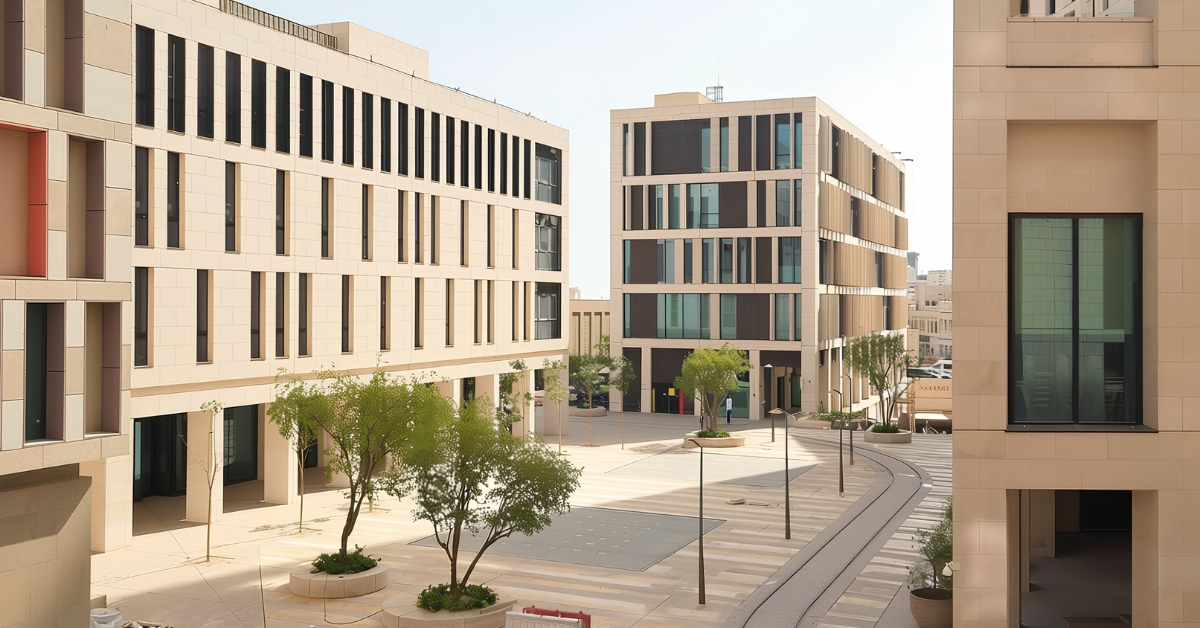
Road infrastructure affects real estate markets through accessibility rather than visibility.
Reduced Commute Times
Neighborhoods connected to expressways experience lower travel time volatility. Residents value predictable commutes to West Bay, Msheireb, and Education City, which supports stable rental demand.
Expansion of Viable Residential Zones
Improved road access has made areas outside central Doha more attractive. Locations such as Al Wakrah and parts of Lusail now offer competitive alternatives due to faster access to offices, schools, and healthcare.
Rental Stability and Occupancy
Properties in well-connected areas tend to maintain occupancy even during market adjustments. Accessibility supports tenant retention, especially for professionals and families.
Areas That Benefit Most From Road Connectivity
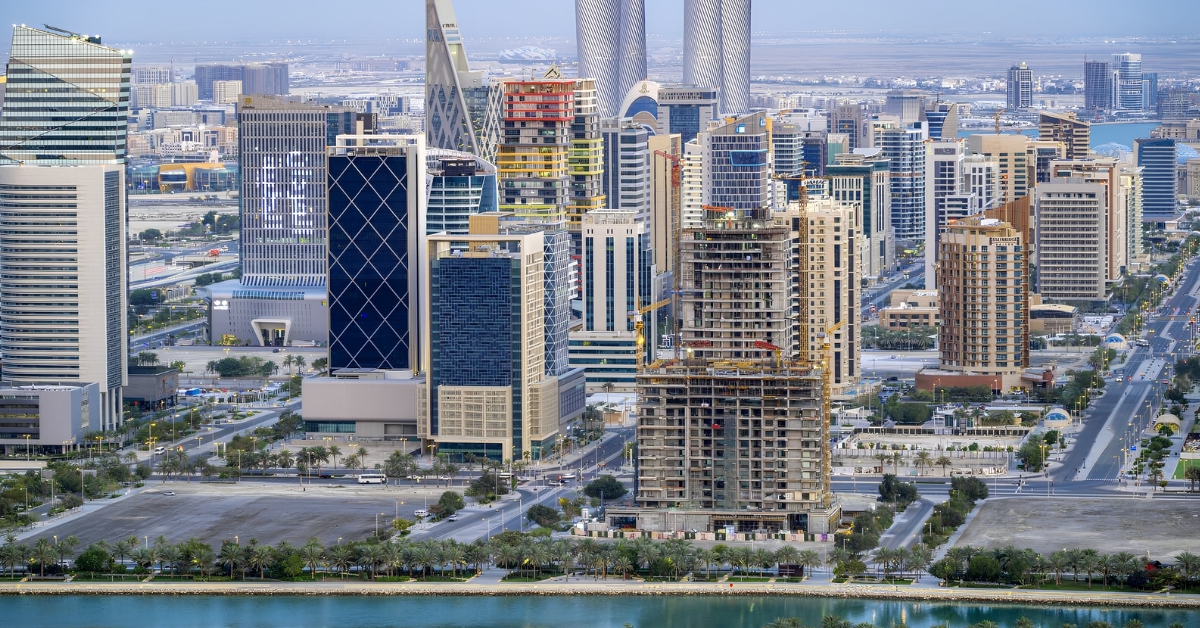
Established Urban Districts
West Bay, Msheireb, and The Pearl benefit from layered connectivity through arterial roads and expressway access. These areas attract tenants searching for apartments near business districts and short commute times.
Emerging Growth Corridors
Lusail City and northern Doha have seen increased residential interest following the completion of expressway links. The ability to reach central Doha efficiently has repositioned these districts as long-term residential options.
Southern Expansion Zones
Al Wakrah’s improved road links have supported population growth without overloading central areas. Nearby searches for properties near major highways increasingly include this zone.
Infrastructure Investment and Market Confidence
Road connectivity does more than move traffic. It signals long-term planning certainty. International investors often view transport infrastructure as a proxy for government commitment to urban development.
In Qatar, completed road projects have supported
- Consistent residential absorption in new districts
- Balanced development between the north and the south
- Integration of housing with commercial and industrial zones
This alignment reduces speculative risk and supports sustainable real estate performance.
What Renters and Buyers Should Consider
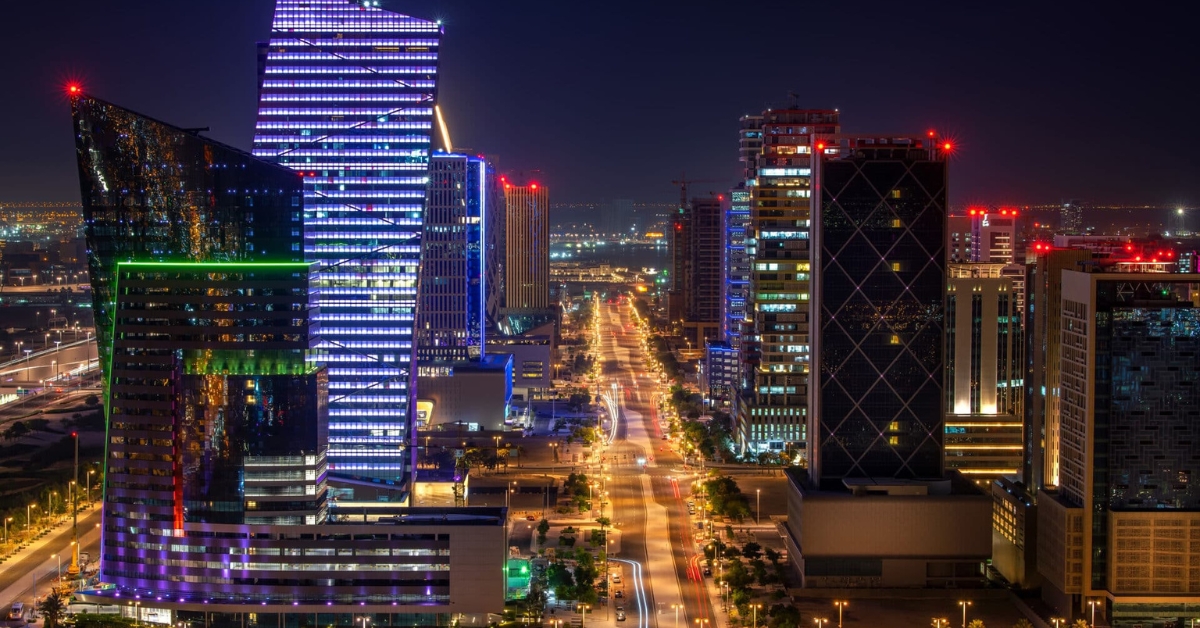
For renters evaluating housing options in Qatar, road access affects daily cost and time efficiency.
Practical considerations include
- Distance to expressway entry points
- Traffic flow during peak business hours
- Connectivity to metro stations and public transport
Buyers assessing long-term value should evaluate how infrastructure supports future demand rather than current congestion levels. FGREALTY provides area-level insights to help clients assess connectivity beyond map distance.
How FGREALTY Helps You Choose Well-Connected Properties
FGREALTY supports renters and investors by aligning property selection with infrastructure realities. Our services include
- Verified listings in well-connected districts
- Area guidance based on commute patterns and tenant profiles
- Advisory support for international buyers entering the Qatar market
Whether you are searching for properties for rent in Doha, apartments for sale in Lusail, or family housing near major roads, our agents help match location strategy with long-term needs.
FAQs
Q: Does road connectivity affect property prices in Qatar?
A: Yes. Properties with strong access to expressways and arterial roads tend to show more stable pricing and demand.
Q: Are the emerging areas well-connected to central Doha?
A: Many emerging districts now benefit from expressway access that reduces travel times significantly.
Q: Should renters prioritize road access or proximity?
A: For long-term stays, accessibility often matters more than physical distance.
Q: How can buyers evaluate infrastructure impact before purchasing?
A: Buyers should review completed road projects and daily traffic patterns rather than planned developments alone.