Where Property Prices Are Easing but Demand Remains Strong in Qatar
Key Takeaways
- Selected districts in Doha and Lusail have seen price stabilization or modest easing as new supply enters the market
- Demand remains resilient in areas with strong livability, transport access, and completed infrastructure
- Rental absorption continues to support occupancy in established neighborhoods despite price normalization
- Buyers benefit from improved choice and price discovery, while investors see steadier yields rather than short-term spikes
- The 2026 outlook points to higher transaction volume with moderate pricing movements in well-supplied zones
Introduction and Market Context
Qatar’s real estate market has moved into a post-event normalization phase, shaped by supply delivery, infrastructure utilization, and steady population flows. Following the recalibration that began after the World Cup cycle, pricing pressure has eased in selected submarkets as newly completed inventory enters the market. This has not translated into weak demand. Instead, demand has concentrated in districts that offer daily livability, transport connectivity, and access to employment clusters.
For international audiences, the key search intent is to understand where opportunities exist when prices soften without undermining occupancy or long-term demand. This matters for renters seeking better value and for investors assessing risk-adjusted returns in a more transparent market environment.
Why Prices Are Easing in Some Districts
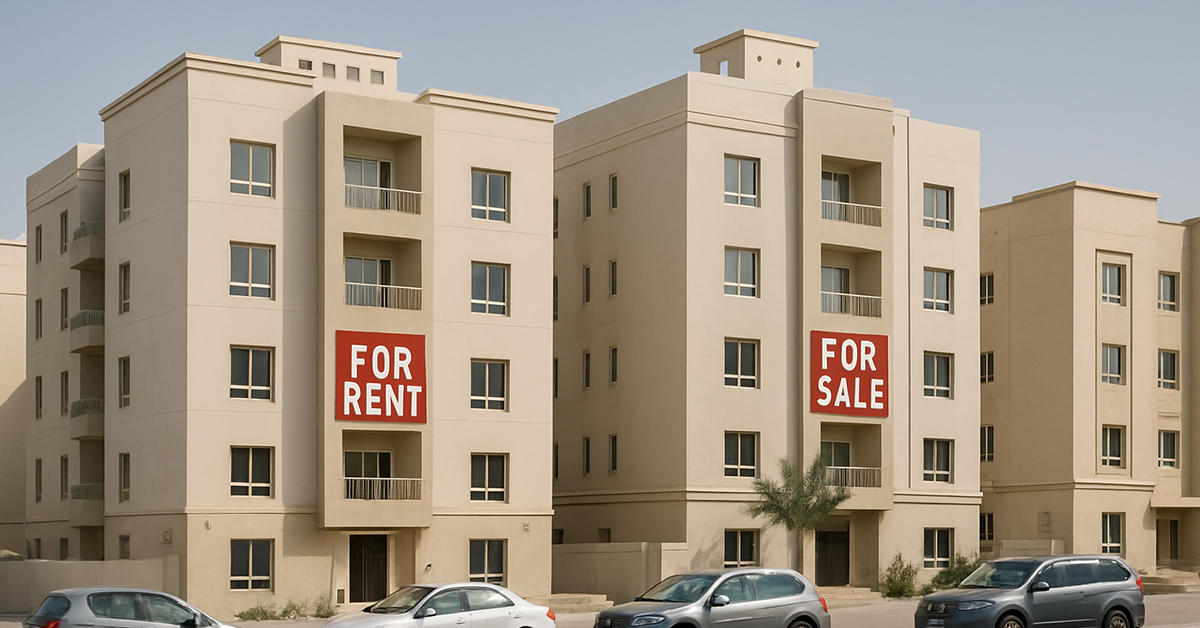
Price easing in Qatar is not uniform and does not indicate market weakness. It reflects supply dynamics and pricing normalization after earlier peaks.
Supply, Delivery, and Market Rebalancing
Several master planned districts have delivered phases of completed residential inventory. This has increased choice for renters and buyers, creating competitive pricing in certain building types and unit sizes. The effect is most visible in areas with high concentrations of new apartments, where landlords adjust asking prices to maintain occupancy.
Key structural drivers include
- Phased completion of residential towers in Lusail and selected waterfront precincts
- Increased availability of mid-market apartment stock in parts of Doha
- More transparent pricing benchmarks as transaction volume improves
These factors support healthier market function rather than price volatility.
Where Demand Remains Strong Despite Price Easing
Lusail and Waterfront Mixed Use Zones
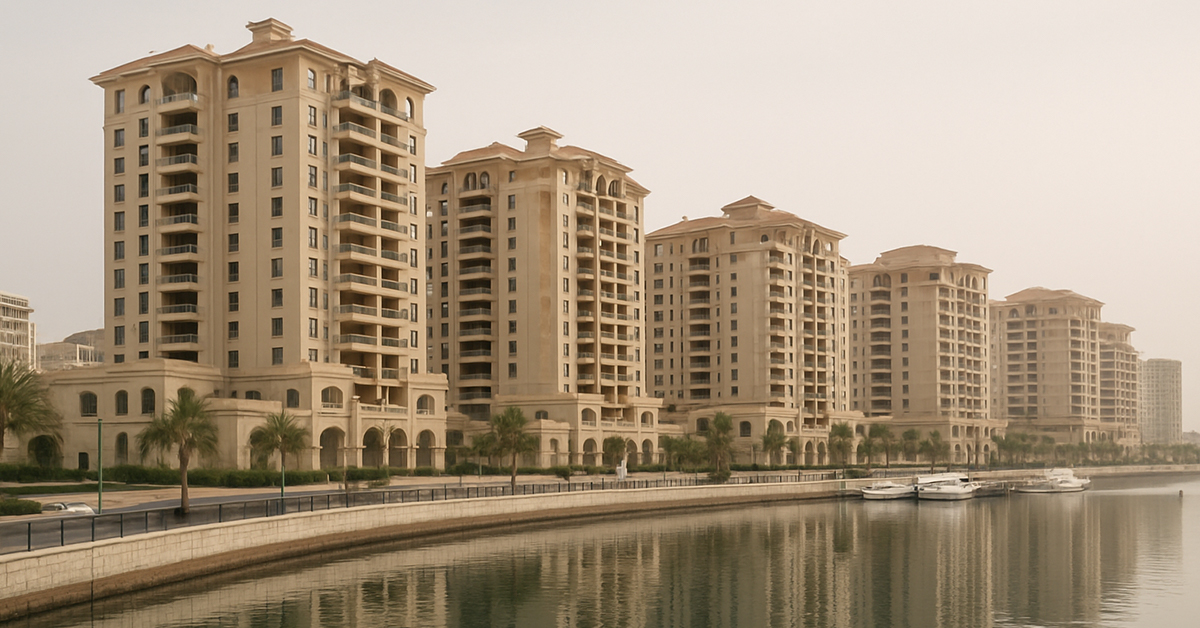
Lusail continues to absorb demand due to completed transport links, retail zones, and proximity to employment hubs. While selected building clusters have seen stabilized pricing, leasing demand remains consistent as residents prioritize integrated living environments.
The Pearl and Established Freehold Districts
The Pearl maintains demand from international residents and buyers seeking ownership in established freehold zones. New supply in specific precincts has moderated price growth, yet occupancy remains supported by lifestyle amenities, marina access, and short commute options to West Bay. Demand is driven by livability rather than short-term market cycles.
West Bay and Central Doha
Central business districts benefit from proximity to offices, metro stations, and healthcare facilities. Even where rental rates have normalized in certain building categories, demand remains stable due to daily convenience and commuting efficiency.
What This Means for Renters
For renters, easing prices in well-supplied districts can translate into improved value without sacrificing location quality. Practical considerations include
- More negotiating leverage in newly completed buildings
- Greater unit choice within the same budget range
- Stable service levels in professionally managed properties
Renters looking for apartments for rent in Doha benefit from focusing on buildings with consistent maintenance standards and access to transport rather than purely price-driven choices.
What This Means for Buyers and Investors
For buyers, price normalization supports clearer entry points and better price discovery. For investors, resilient demand in easing price environments signals yield stability rather than rapid appreciation cycles.
Market signals to monitor include
- Occupancy rates in completed developments
- Lease renewal trends in established districts
- Transaction volume across secondary sales markets
Investors seeking balanced risk profiles often favor districts with diversified demand drivers such as employment access, schools, and transport connectivity over purely speculative locations.
Outlook Toward 2026
Market indicators suggest that 2026 will be shaped by higher transaction activity rather than sharp price movements. This benefits both end users and long-term investors by improving liquidity and transparency. The easing of prices in selected pockets is part of a broader rebalancing that aligns supply with realistic demand rather than compressing yields.
For those researching whether now is a suitable time to enter Qatar’s property market, current conditions offer clearer benchmarks and broader choice without the distortions seen during earlier event-driven cycles.
How FGREALTY Helps You Navigate These Market Shifts
FGREALTY supports renters, buyers, and investors with verified listings and area-level insights grounded in current market behavior. Whether you are exploring properties for rent across Lusail, apartments for sale in Doha, or assessing yield potential in mixed-use districts, our experienced real estate agents align real-time data with practical housing decisions.
You can explore
- properties for rent across Doha
- apartments for sale in Qatar’s prime districts
- guidance for international buyers evaluating market entry timing
FAQs
Q: Does easing pricing mean Qatar’s property market is weakening?
A: No. Price easing in selected districts reflects new supply and market normalization, while demand remains stable in livable areas.
Q: Which areas show strong demand despite stabilized prices?
A: Lusail, The Pearl, West Bay, and central Doha continue to absorb demand due to infrastructure, transport access, and lifestyle amenities.
Q: Is this a good time for renters to find better value?
A: Yes. Increased supply in certain districts improves renters’ choice and negotiating leverage.
Q: Should investors avoid areas where prices are easing?
A: Not necessarily. Areas with resilient demand and strong occupancy can offer stable yields even when pricing growth moderates.