Waterfront Living Versus City Living in Qatar — Which Is Better for You?
Key Takeaways
- Waterfront communities such as The Pearl Island combine residential, retail, dining, marina and beach facilities in one master-planned setting.
- City districts such as West Bay and central Doha generally offer stronger proximity to major offices, government services and established business areas.
- The Pearl Island covers approximately 4 million sqm and has 32 km of coastline, around 25,000 residential units and more than 52,000 residents.
- Porto Arabia alone includes 31 residential towers, 7,206 residential units and 891 marina berths, illustrating the scale of Qatar’s waterfront housing market.
- Waterfront does not automatically mean better investment; unit quality, service charges, location, building condition, views, rental demand and resale liquidity still matter.
- Qatar’s Ministry of Justice recorded QR1.73 billion in real estate transactions across 425 transactions in May 2026, with Doha, Al Rayyan and Al Daayen leading by transaction value.
- Non-Qatari ownership depends on designated areas and property type. The Ministry of Justice identifies freehold and usufruct areas and provides specific rules for foreign ownership.
Is Waterfront or City Living Better in Qatar?
There is no single winner. Waterfront living tends to suit buyers who prioritize views, marina or beach access, walkability and integrated amenities, while city living often suits professionals who prioritize proximity to offices, services, schools and major roads. The better choice depends on how the property will actually be used.
For an investor, the decision should go beyond lifestyle. Rental demand, tenant profile, building quality, maintenance costs, accessibility and resale prospects can have a greater effect on the property’s performance than whether it sits beside the water.
How Does Waterfront Living Differ From City Living?
Waterfront communities in Qatar typically integrate housing with leisure, retail and public-facing amenities, while established city districts place greater emphasis on business connectivity and access to everyday services.
Waterfront living
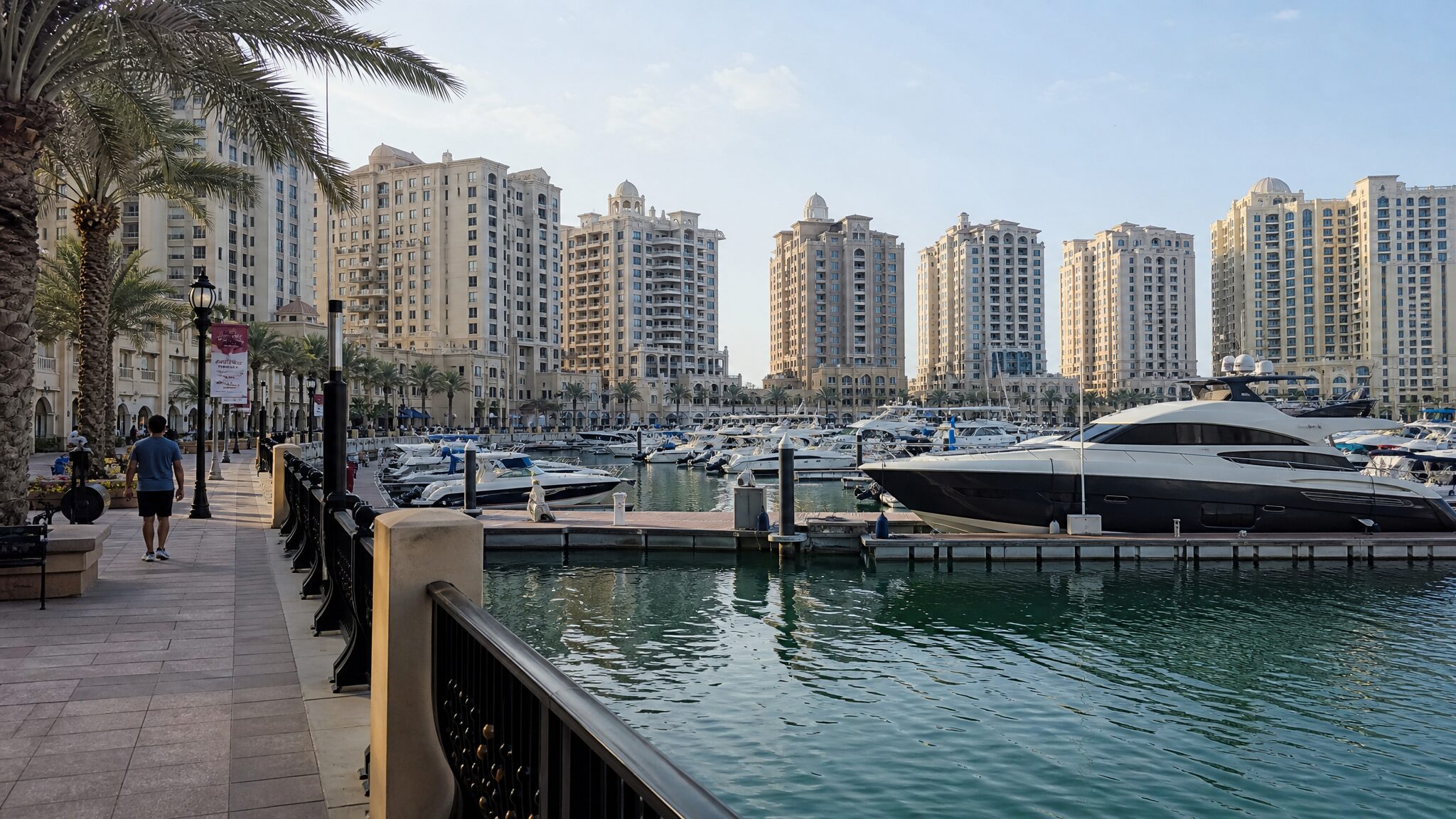
The clearest example is The Pearl Island, a 4-million-sqm mixed-use development built on reclaimed land approximately 350 meters offshore from West Bay. The development includes residential, retail, commercial, and leisure uses.
Its scale is significant:
- Approximately 25,000 residential units
- More than 52,000 current residents
- 32 km of coastline
- Around 350 operational retail and F&B brands
- Approximately 15 million annual visitors according to the development’s current published figures.
This creates a different residential proposition from a conventional city apartment.
City living
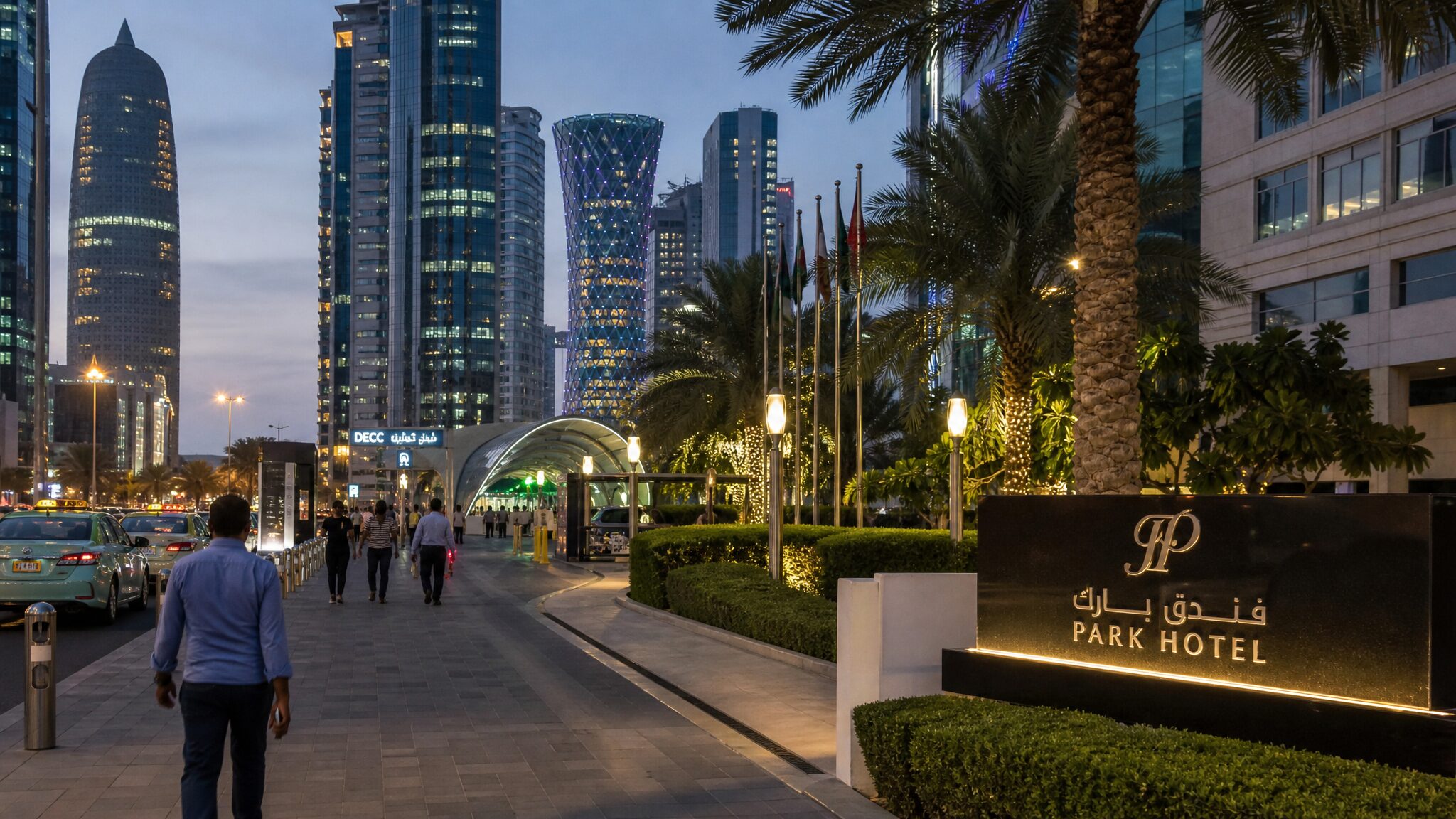
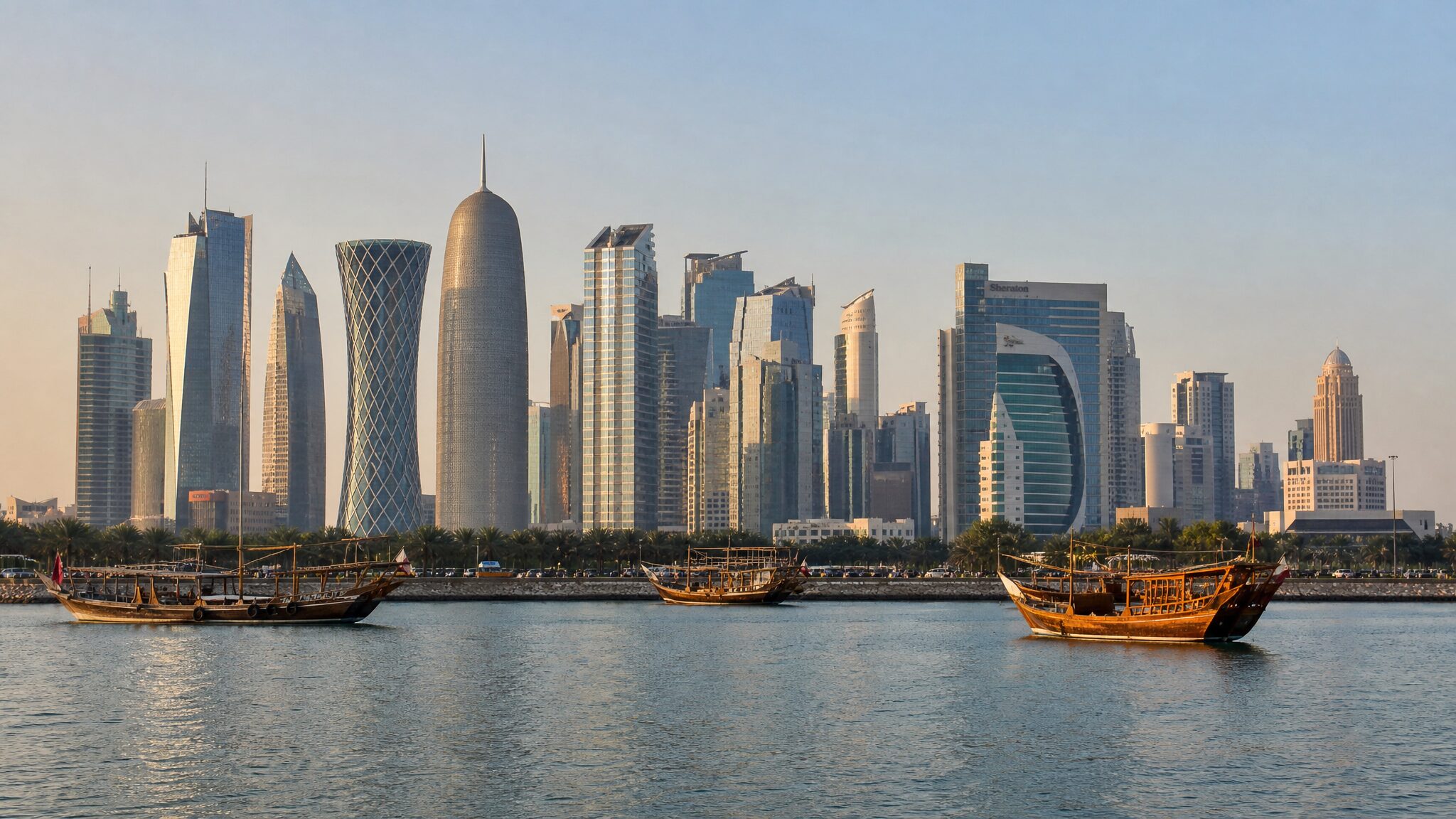
City-based housing in areas such as West Bay, Al Dafna and central Doha can make more sense for people whose daily routines revolve around offices, government services, education, healthcare or business districts.
For these buyers, a property with faster road access and a shorter commute may be more valuable than direct sea views.
Which Qatar Communities Best Represent Waterfront Living?
The strongest waterfront options differ considerably, so buyers should compare the individual precinct rather than treating every coastal property as equivalent.
The Pearl Island
The Pearl provides the broadest range of waterfront residential formats, including apartments, townhouses, villas and penthouses. Its precincts have different characteristics, from marina-oriented Porto Arabia to beachfront Viva Bahriya and canal-focused Qanat Quartier.
Porto Arabia, for example, has:
- 31 residential towers
- 7,206 residential units
- 3.5 km waterfront promenade
- 93,000 sqm of retail and F&B space
- 891 marina berths.
That makes it particularly relevant to buyers who want residential convenience combined with waterfront retail and marina activity.
Qanat Quartier
Qanat Quartier offers a different proposition. It has 1.6 km of canals, 1,164 residential units, townhouses and apartments, plus approximately 31,000 sqm of retail space.
The important point for buyers is that “waterfront” can mean several things: open sea views, marina views, beachfront access or internal canal views. These are not interchangeable when comparing properties.
When Does City Living Make More Sense?
City living can be the more practical option when daily commuting, business access and established services outweigh waterfront amenities.
A buyer working in West Bay, for example, may prefer a property that minimizes commuting rather than paying a premium for a waterfront address farther from the workplace.
City-oriented properties can also appeal to tenants who prioritize:
- Shorter commuting times
- Access to major business districts
- Road connectivity
- Proximity to government services
- Established retail and healthcare facilities
- Practical apartment layouts
This does not make city property inherently more valuable. It simply creates a different demand profile.
Does Waterfront Property Always Have Better Investment Potential?
No. Waterfront positioning can strengthen a property’s appeal, but it does not guarantee stronger returns, higher rental income, or better resale performance.
Investors should compare the individual asset, not just the address.
Before buying, assess:
- Purchase price versus comparable units
- Current achievable rent
- Maintenance and service charges
- Building age and condition
- Actual water exposure and view quality
- Parking availability
- Unit layout and usable space
- Furnishing quality
- Tenant profile
- Vacancy risk
- Resale competition within the same building
A sea-view apartment with high service costs and weak rental demand can be less attractive than a well-priced city apartment in a highly practical location.
What Does Current Transaction Data Tell Buyers?
Qatar’s real estate market continues to show activity across both central and emerging locations. The Ministry of Justice recorded QR1.732 billion in registered real estate sales contracts during May 2026, covering 425 transactions. Doha accounted for approximately QR559 million, while Al Rayyan recorded approximately QR539 million and Al Daayen approximately QR368 million in transaction value.
The data matters because it shows why buyers should not judge the market solely through waterfront versus city labels. Transaction activity is distributed across multiple municipalities and property locations.
More recently, the Ministry reported QR304.2 million in registered sales contracts for August 9–13, 2026, with transactions concentrated across Doha, Al Rayyan, Al Wakra, Al Daayen and other municipalities, alongside areas including The Pearl Island and Lusail.
Can Foreign Buyers Choose Waterfront Properties in Qatar?
Foreign buyers can purchase property in Qatar, but eligibility depends on the designated ownership framework and the specific property.
The Ministry of Justice states that non-Qataris can own property in designated freehold areas, while usufruct rights apply in designated areas under the applicable regulations. The Pearl and Lusail are among the locations specifically supported through the Ministry’s non-Qatari ownership framework.
Buyers should therefore verify:
- Whether the exact property is eligible for non-Qatari ownership
- The ownership category
- Title and registration requirements
- Any applicable residency benefits
- Developer and property documentation
The Ministry of Justice also states that there is no specific numerical limit on properties owned by a non-Qatari in freehold areas, subject to the applicable rules.
How FGREALTY Can Help
The right comparison often requires looking beyond the headline features of a property. FGREALTY can help buyers compare verified listings across Qatar’s waterfront and city communities based on location, property type, layout, pricing, amenities and intended use.
For international buyers and relocating professionals, this can include identifying suitable areas, shortlisting properties, arranging viewings and supporting the purchase process. Investors can also purchase:
Connect with FGREALTY agents to book a viewing.
FAQs
Q: Is The Pearl Island considered a freehold area for foreigners?
A: Yes. The Ministry of Justice includes The Pearl among the designated areas where non-Qataris can hold real estate under the applicable ownership framework. Buyers should still verify the eligibility of the specific property before purchasing. (Ministry of Justice)
Q: Which is more suitable for families, waterfront or city living?
A: Neither category is automatically better. Families should compare the specific property’s access to schools, healthcare, supermarkets, transportation, parks and daily services rather than choosing based solely on whether it is waterfront.
Q: Does a sea view increase a property’s value in Qatar?
A: A sea view can influence buyer and tenant preferences, but it does not establish a guaranteed price premium. The property’s floor, orientation, unobstructed view, size, building quality, and comparable market prices should all be assessed.
Q: Is Lusail considered waterfront or city living?
A: Lusail contains both urban and waterfront-oriented districts, so the distinction depends on the specific location and development. This makes Lusail particularly relevant for buyers who want modern urban infrastructure without necessarily choosing a traditional central Doha address.
Q: What should investors compare before buying a waterfront apartment?
A: Compare the property’s purchase price, achievable rent, service charges, competing supply, building condition, view quality and tenant demand. Looking only at the waterfront premium can produce an incomplete investment assessment.