Qatar National Vision 2030: What It Means for Real Estate Investors Today

Key Takeaways
- Qatar National Vision 2030 focuses on economic diversification, urban development, and sustainable growth according to official government frameworks.
- Large-scale infrastructure projects, including Lusail City and transport networks, directly support real estate demand.
- Government planning emphasizes population growth, housing supply balance, and long-term livability.
- International institutions such as the World Bank and IMF recognize Qatar’s structured development model as a driver of economic stability.
- Integrated urban planning ensures real estate developments are aligned with long term national objectives rather than short-term cycles.
Introduction: Why National Vision Matters for Property Investors
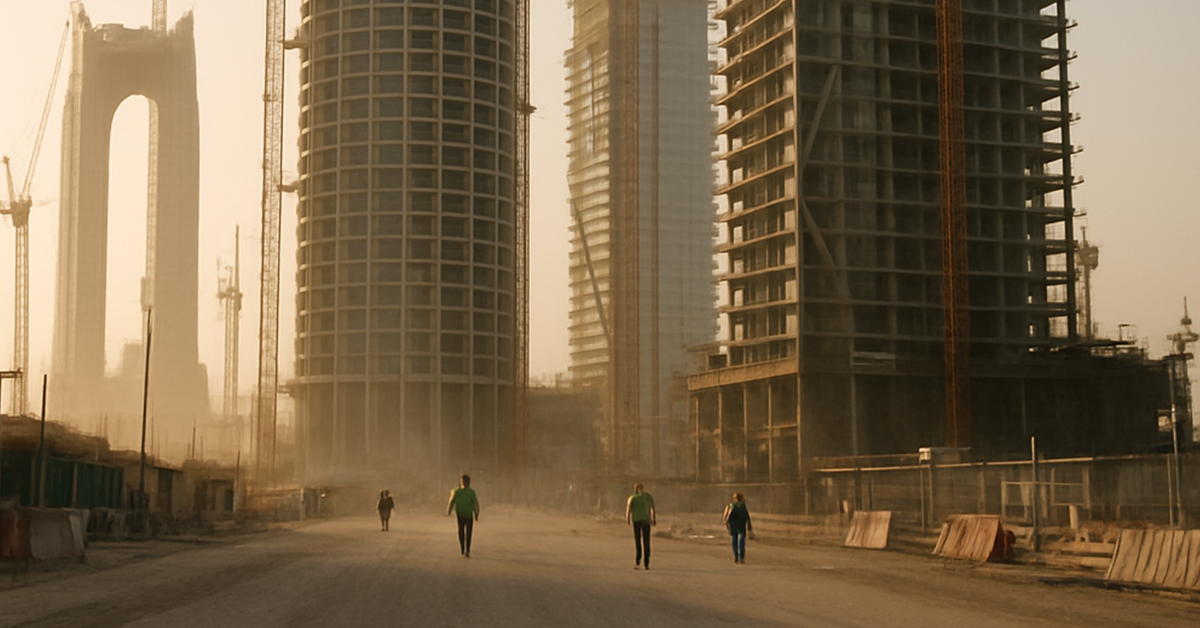
For global investors, long-term national strategies are critical indicators of market direction. Real estate markets that operate within structured development plans tend to offer greater predictability and lower risk.
Qatar National Vision 2030 provides a comprehensive framework that guides the country’s economic, social, and urban development. It is not a short-term initiative but a long-range policy roadmap influencing infrastructure, population planning, and real estate expansion.
Understanding Qatar National Vision 2030
A Long-Term Development Framework
Qatar National Vision 2030 is built around four core pillars
- economic development
- human development
- social development
- environmental development
These pillars are designed to transition Qatar into a diversified, knowledge-based economy while maintaining high living standards. For real estate investors, this framework ensures that property markets are supported by broader economic and demographic planning.
Alignment with Global Economic Standards
International organizations highlight Qatar’s structured fiscal and development policies as key strengths supporting long-term stability. This alignment with global standards enhances investor confidence and positions Qatar as a predictable market within the region.
Infrastructure Expansion Driving Real Estate Demand
Planned Cities and Urban Growth
One of the most visible outcomes of Qatar National Vision 2030 is the development of planned urban centers such as Lusail City. These projects are designed to accommodate population growth, business activity, and lifestyle needs within integrated environments.
For investors, this creates opportunities in areas where infrastructure, residential demand, and commercial activity are developed simultaneously.
Transport and Connectivity

Qatar has invested heavily in transport infrastructure, including highways and the Doha Metro. These systems connect residential zones with business districts, educational institutions, and commercial hubs.
Improved connectivity enhances property value by reducing commute times and increasing accessibility, which directly impacts demand.
Population Growth and Housing Strategy
Supporting a Growing Expat Population
Qatar’s development strategy includes attracting skilled professionals and international talent. This leads to sustained demand for residential properties, particularly in well-planned communities offering modern amenities.
Government policies ensure that housing supply evolves in line with population growth, reducing the risk of imbalance in the market.
Focus on Livability
Urban planning under Qatar National Vision 2030 emphasizes quality of life. This includes access to green spaces, healthcare, education, and retail infrastructure within residential areas.
For property owners, this translates into higher tenant demand and long-term occupancy stability.
Sustainability and Long-Term Value
Environmental Planning in Real Estate
Sustainability is a core component of Qatar National Vision 2030. Real estate developments increasingly incorporate energy efficiency, environmental standards, and smart infrastructure.
These features enhance property value over time as global investors prioritize sustainable assets.
Balanced Development Approach
Qatar’s approach to real estate development focuses on phased growth rather than rapid expansion. This helps prevent oversupply and supports stable pricing across residential segments.
For investors, this creates a market environment where value is preserved over the long term.
Institutional Support and Regulatory Framework
Government Oversight and Planning
Real estate development in Qatar is closely aligned with government policies and regulatory frameworks. Authorities oversee land allocation, project approvals, and urban planning to ensure consistency with national objectives.
This level of oversight reduces uncertainty and enhances transparency for investors.
Integration with Financial Systems
Qatar’s financial ecosystem, including regulated banking and investment frameworks, supports real estate transactions. The presence of structured financing options and legal clarity makes it easier for international investors to participate in the market.
What This Means for Real Estate Investors Today
Qatar National Vision 2030 provides a clear roadmap for how the real estate market will evolve. Rather than being driven by short-term trends, property values are influenced by infrastructure, population growth, and long-term planning.
For investors, this creates a predictable environment where decisions can be based on structural factors rather than market volatility.
How FGREALTY Supports Investors in Qatar
FGREALTY offers verified listings and expert advisory services for clients exploring opportunities in Qatar’s evolving real estate market.
Whether you are searching for
FGREALTY agents help you align your investment strategy with Qatar’s long-term development vision.
FAQs
Q: What is Qatar National Vision 2030?
A: It is a long-term national development strategy focused on economic diversification, infrastructure, and sustainable growth.
Q: How does Qatar National Vision 2030 impact real estate?
A: It drives infrastructure development, urban planning, and housing demand, which directly influence property markets.
Q: Is Qatar a good long-term real estate investment destination?
A: Yes, its structured development strategy and government planning provide a stable and predictable environment.
Q: Which areas benefit most from Vision 2030?
A: Planned communities such as Lusail, The Pearl, and West Bay benefit from infrastructure and urban development initiatives.