How Smart Traffic Systems in Doha Are Improving Commute Times Across Key Districts
Key Takeaways
- Qatar has deployed advanced intelligent transport systems to optimize traffic flow and reduce congestion across Doha.
- Real-time traffic monitoring and adaptive signal control are improving commute efficiency in key districts.
- Infrastructure investments linked to Doha continue to enhance accessibility between residential and commercial hubs.
- Reduced travel times are influencing property demand in well-connected areas such as Lusail and West Bay.
- Smart mobility solutions are strengthening long-term real estate value by improving livability and urban planning.
Introduction: Why Commute Efficiency Matters for Property Decisions
Buyers and tenants increasingly evaluate commute times before choosing where to live in Qatar. Access to workplaces, schools, and lifestyle hubs directly impacts property value and long-term demand.
Doha has responded with large-scale investments in smart traffic systems that combine digital infrastructure, real-time data, and integrated transport planning. These improvements are not only reducing congestion but also shaping how residential areas are perceived by investors.
Smart Traffic Systems Driving Urban Efficiency
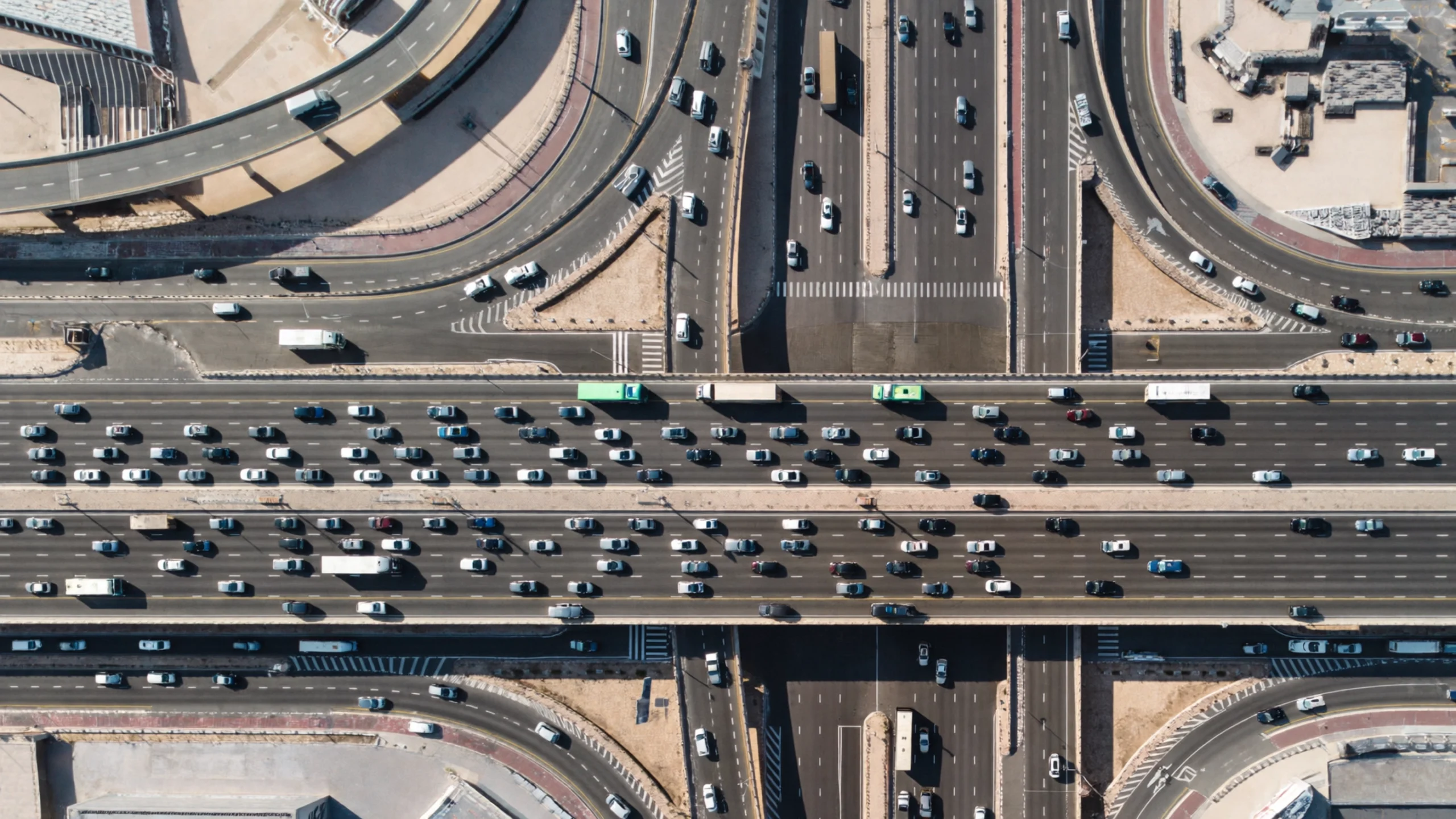
Intelligent Transport Systems Across Doha
According to Qatar’s Ministry of Transport, the country has implemented Intelligent Transport Systems that include real-time traffic monitoring, automated incident detection, and adaptive traffic signals.
These systems use sensors and cameras to adjust signal timings based on traffic volume. This reduces idle time at intersections and improves overall flow across major corridors.
For residents, this translates into shorter and more predictable commute times, particularly during peak hours.
Integration With National Infrastructure Projects
Smart traffic systems are integrated with major road networks developed under Qatar’s national infrastructure program, including expressways managed by Ashghal.
Projects such as the Orbital Highway and Lusail Expressway have been designed with smart monitoring capabilities. These roads connect key districts, including Al Dafna, The Pearl, and Lusail City.
The result is a more connected urban environment where travel between residential and commercial zones is faster and more efficient.
Measurable Impact on Commute Times
Reduced Congestion in Key Areas
Official transport reports indicate that adaptive traffic systems have contributed to measurable reductions in congestion across major intersections in Doha.
Travel time reliability has improved, meaning residents can better predict how long their daily commute will take. This is a critical factor for professionals working in central business districts.
Improved Connectivity Between Districts
The expansion of smart corridors has strengthened links between emerging and established areas.
For example:
- Lusail to West Bay connectivity has improved through high-capacity roads
- Access to Hamad International Airport from residential zones is more efficient
- Suburban areas now have faster routes into central Doha
These improvements increase the attractiveness of newer developments that were previously considered less accessible.
How This Shapes Real Estate Demand
Rising Interest in Well-Connected Communities
Areas with direct access to smart highways and optimized traffic systems are seeing stronger demand. Buyers are prioritizing locations where commute time is minimized rather than just distance.
Value Stability Through Accessibility
Global real estate studies consistently show that improved transport infrastructure supports property value stability.
In Qatar, smart traffic systems reduce one of the key risks in urban living, which is unpredictable congestion. This makes properties in connected areas more attractive for both end users and investors.
Alignment With Qatar’s Urban Development Strategy
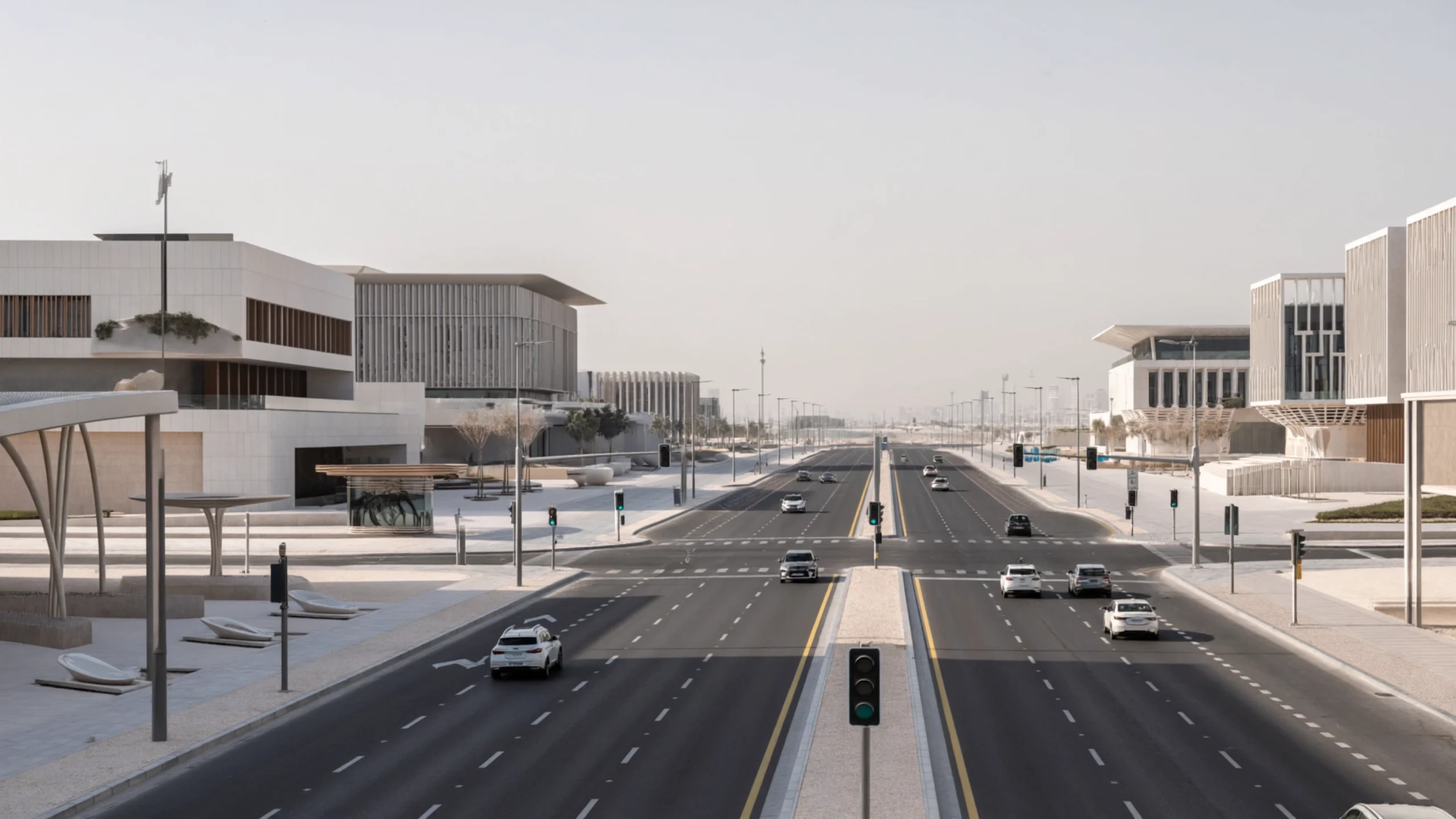
Smart City Vision in Lusail
Lusail City is designed as a smart city, integrating traffic management, public transport, and digital infrastructure.
The use of centralized control systems ensures that traffic flow is continuously optimized. This enhances livability and supports long-term residential demand.
Sustainable Urban Planning
Smart traffic systems also contribute to sustainability by reducing fuel consumption and emissions through efficient traffic flow.
This aligns with Qatar’s broader urban development goals, which focus on creating efficient and environmentally responsible cities.
What This Means for Investors
For international investors, infrastructure quality is a key indicator of market maturity and long-term growth.
Doha’s investment in smart mobility demonstrates:
- Strong government planning and execution
- Long-term commitment to urban efficiency
- Enhanced quality of life for residents
These factors contribute to a stable and attractive real estate environment. Properties located near major highways and smart corridors benefit from consistent demand due to improved accessibility.
How FGREALTY Supports Investors in Qatar
FGREALTY provides verified property listings and market insights for buyers exploring opportunities in Doha.
Whether you are searching for:
FGREALTY agents help you evaluate connectivity, commute times, and long-term investment potential. We guide clients toward properties that benefit from Qatar’s evolving infrastructure and smart city development.
FAQs
Q: How do smart traffic systems reduce commute times in Doha?
A: They use real-time data and adaptive signals to optimize traffic flow, reducing delays at intersections and improving road efficiency.
Q: Which areas benefit most from improved connectivity?
A: Lusail, West Bay, The Pearl, and Al Dafna benefit from direct access to major highways and smart traffic corridors.
Q: Do smart transport systems impact property values?
A: Yes, improved accessibility increases demand and supports long-term value stability in connected areas.
Q: Is Doha investing further in smart mobility?
A: Yes, Qatar continues to expand intelligent transport systems as part of its long-term urban development strategy.