What Qatar’s Population Growth Trends Mean for Future Property Demand
Key Takeaways
- Qatar’s population growth continues to influence residential demand across Doha, Lusail, and surrounding districts
- Government-backed infrastructure and economic diversification are supporting long-term housing demand
- Demand is shifting toward mixed-use communities with transport, retail, and lifestyle integration
- Population expansion in professional and expatriate segments is sustaining rental activity
- Investors are increasingly monitoring demographic trends to identify future growth corridors in Qatar
Introduction: Why Population Trends Matter for Property Investors
Population growth remains one of the strongest long-term indicators of real estate demand.
In Qatar, demographic expansion has historically influenced rental occupancy, infrastructure investment, and residential development patterns. Investors searching for stable markets often analyze population data alongside employment growth, transport infrastructure, and government policy.
According to World Bank indicators, Qatar’s population growth continues to be supported by economic diversification, infrastructure expansion, and foreign investment initiatives. This matters directly for real estate because housing demand follows employment concentration, business activity, and urban expansion.
Qatar’s Population Growth Driven by Economic Diversification
Qatar’s economy is no longer centered solely around hydrocarbons. Government initiatives linked to Qatar National Vision 2030 have accelerated investment into tourism, logistics, technology, finance, education, and sports industries.
This diversification has supported demand for skilled international professionals and long-term expatriate residents. According to the International Monetary Fund, sectors outside oil and gas continue expanding, increasing demand for residential communities near commercial and mixed-use districts.
This directly impacts areas such as:
- Lusail
- West Bay
- The Pearl
- Msheireb Downtown Doha
- Al Waab
These locations continue attracting professionals due to accessibility, modern infrastructure, and lifestyle convenience.
Infrastructure Investment Is Supporting Housing Demand
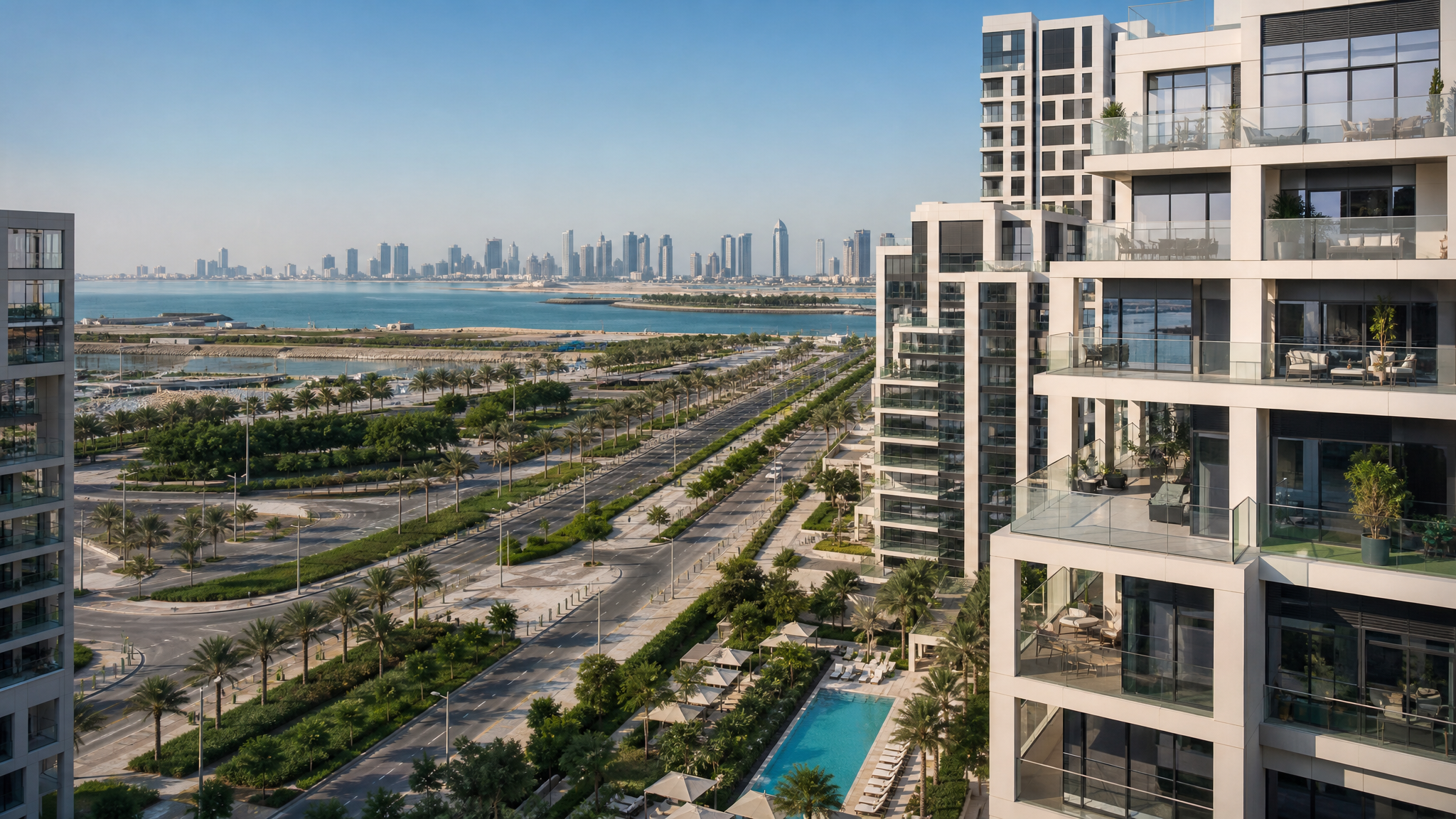
Population growth alone does not sustain property markets. Infrastructure does. Qatar’s large-scale investment in roads, Metro connectivity, airports, and smart city infrastructure has reshaped residential demand patterns across Doha.
The Doha Metro has improved connectivity between residential and commercial districts, while Hamad International Airport expansion continues strengthening Qatar’s position as a global transit and business hub.
Rental Demand and Expat Population Trends
A significant portion of Qatar’s residential market is tied to expatriate professionals working across finance, healthcare, engineering, education, and hospitality sectors.
As business activity expands, housing demand follows.
ValuStrat indicates that professionally managed residential communities continue performing relatively well due to demand for quality housing, security, and proximity to workplaces. Long-term residents increasingly prefer areas offering integrated services, schools, retail, and leisure facilities.
This is particularly visible in:
- The Pearl
- Lusail Marina District
- Msheireb Downtown Doha
- West Bay Lagoon
These districts benefit from modern planning and proximity to major employment zones.
Future Property Demand Will Likely Shift Toward Integrated Communities
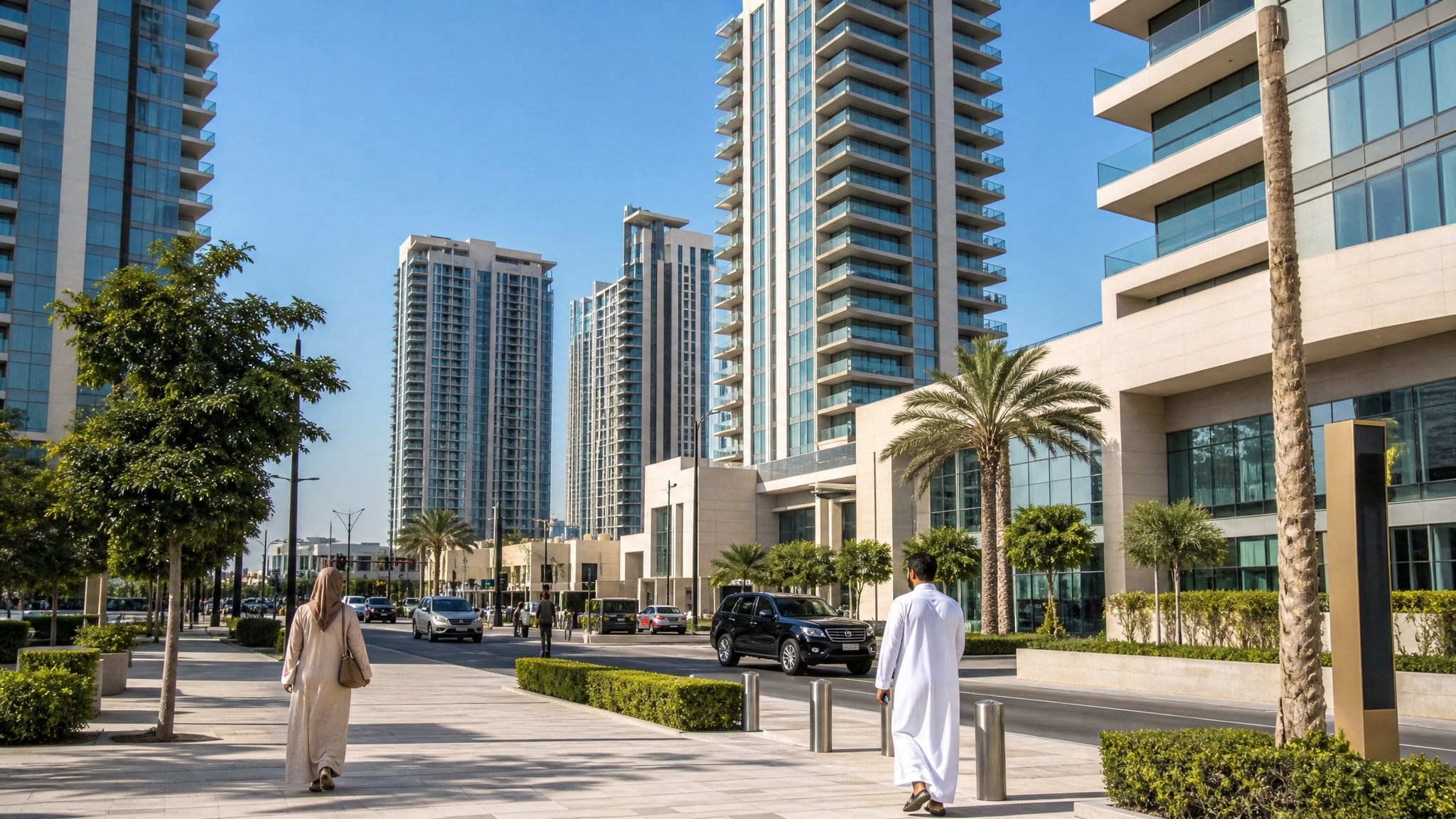
Population growth does not automatically benefit every area equally. Current buyer and tenant behavior shows stronger interest in communities offering:
- retail access
- walkability
- public transport connectivity
- entertainment infrastructure
- smart city features
- waterfront living
Developments such as Lusail and Msheireb are designed around these preferences.
What This Means for Investors
Population growth trends suggest that future housing demand in Qatar will remain closely tied to:
- employment growth
- infrastructure investment
- international business activity
- lifestyle-driven residential demand
For investors, this shifts focus away from purely speculative buying toward strategically located properties with long-term occupancy potential. Areas near Metro stations, business districts, schools, and retail infrastructure may continue benefiting from demographic expansion and tenant demand.
How FGREALTY Helps Investors Navigate Qatar’s Market
FGREALTY helps buyers and investors identify verified properties aligned with long-term demographic and infrastructure trends across Qatar.
Whether you are exploring:
- apartments for sale in Lusail
- investment properties in The Pearl
- apartments for rent in Waterfront District
FGREALTY agents provide market insights based on real demand drivers, location performance, and long-term investment potential. We help investors make informed decisions backed by market data and evolving residential trends across Doha and surrounding districts.
FAQs
Q: Why does population growth matter for real estate in Qatar?
A: Population growth increases housing demand, rental activity, and infrastructure expansion, all of which influence property performance.
Q: Which areas are expected to benefit most from future demand?
A: Lusail, West Bay, The Pearl, Msheireb Downtown Doha, and Metro-connected districts continue attracting residential demand.
Q: Is Qatar still attracting expatriate professionals?
A: Yes. Economic diversification and infrastructure investment continue supporting international workforce demand.
Q: Are mixed-use communities becoming more important in Doha?
A: Yes. Buyers and tenants increasingly prefer integrated communities with retail, transport, and lifestyle amenities nearby.