Why and How to Invest in Real Estate in Qatar – A Complete Guide
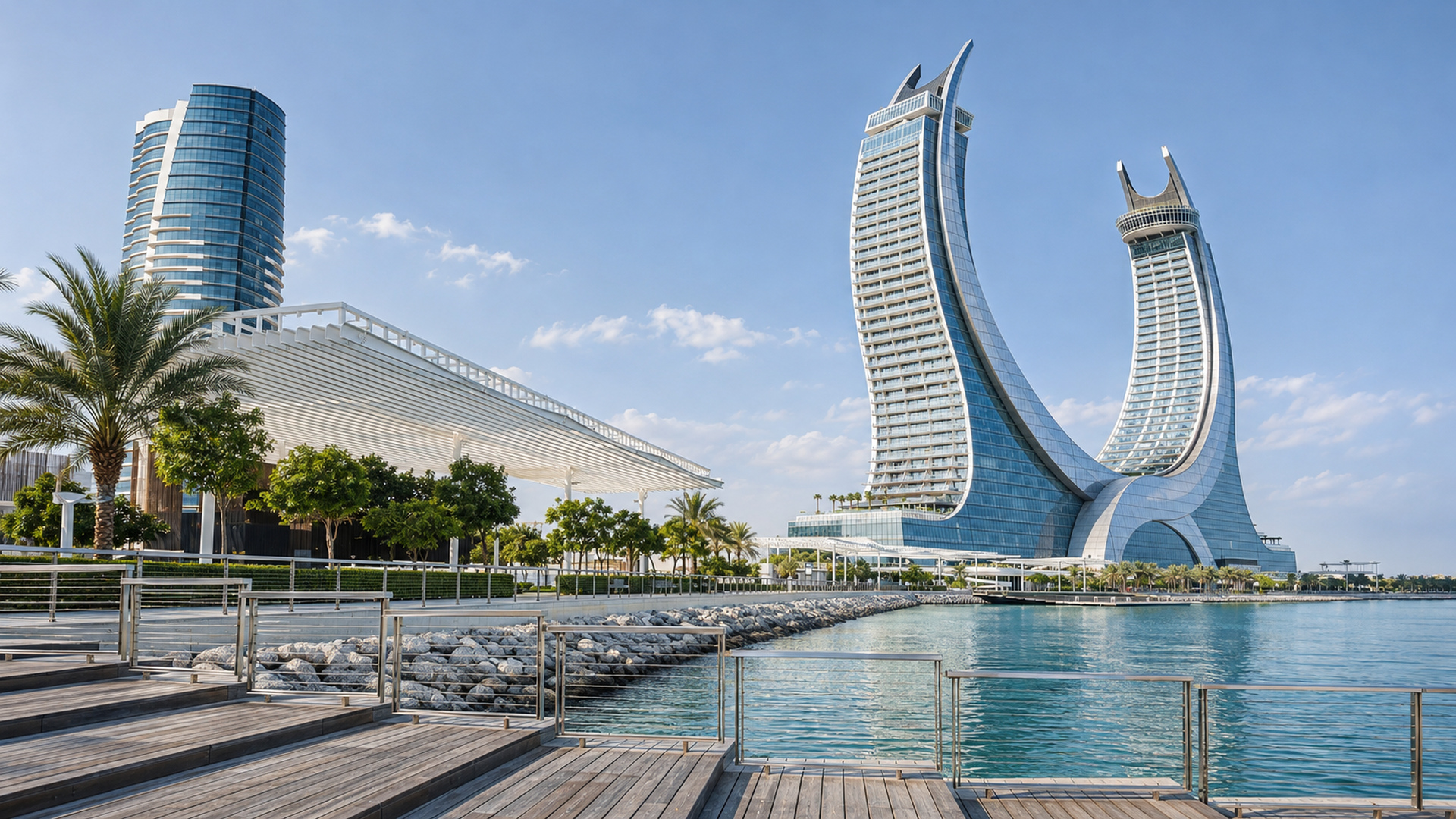
Qatar offers several routes into property investment, from apartments in designated freehold areas to commercial units and long-term usufruct opportunities. But the right purchase depends on more than the asking price. Foreign ownership eligibility, rental demand, service charges, property management, resale prospects, and the intended holding period all influence whether an investment makes financial sense.
The market recorded QAR 1.29 billion in registered property sales across 424 transactions in August 2026, according to the Ministry of Justice. That activity shows a functioning market, but it does not mean every property is a good investment. A sound decision starts with the legal framework, then moves to the asset, location, and numbers.
What Makes Qatar Worth Considering for Property Investment Today?
Qatar’s investment case rests on a combination of an established property market, defined foreign ownership provisions, major urban developments, and a regulatory framework that allows eligible non-Qataris to own or use property in designated areas.
The Ministry of Justice reported the following figures:
- August 2026: QAR 1.29 billion in registered sales across 424 transactions.
- July 2026: QAR 1.86 billion across 485 registered transactions.
- October 25–29, 2026: QAR 516 million in registered sales contracts, including QAR 56.5 million in residential unit sales contracts.
These figures cover different reporting periods and should not be compared as if they were monthly totals. They also include different property categories, not just apartments. Still, they provide a useful picture of transaction activity and the range of assets changing hands.
For an investor, the more important question is where that activity translates into a suitable opportunity. A high-value market does not automatically produce high rental yields. Purchase price, occupancy, recurring costs, and resale demand determine the quality of an individual investment.
Learn more about buying resale property in Qatar in our guide.
Foreign Ownership: Know What You Can Actually Buy

Non-Qataris can purchase property in Qatar, but ownership rights depend on the property’s location and the applicable legal category. Qatar’s framework distinguishes between freehold ownership and usufruct rights.
Freehold ownership grants ownership of the property in designated areas. Usufruct gives the holder the right to use and benefit from the property for a defined period of up to 99 years, renewable for a similar period under the applicable framework.
The Ministry of Justice publishes the designated areas and the conditions governing non-Qatari ownership. Cabinet Decision No. 21 of 2026 amended the earlier designation framework, so investors should check the latest official list rather than rely on older property guides.
Foreign buyers may also be permitted to own certain detached units in residential complexes and commercial units in malls or commercial complexes outside the designated areas, subject to the applicable conditions. This is not a blanket permission to purchase any property anywhere in Qatar.
Before paying a reservation deposit, confirm:
- Whether the property is in a designated freehold or usufruct area.
- Whether the specific unit is eligible for non-Qatari ownership.
- What ownership right will appear on the registered title.
- Whether the property has restrictions, mortgages, or outstanding obligations.
- Whether the proposed purchase meets any residency-related requirements you intend to use.
Can Property Ownership in Qatar Qualify You for Residency?
Yes. Eligible non-Qataris who purchase property in designated areas may qualify for real estate residency, subject to the relevant conditions.
The Ministry of Justice identifies two property-value categories:
| Property value | Potential residency benefit |
| At least QAR 730,000 | Real estate residency without a sponsor |
| At least QAR 3.65 million | Real estate residency with additional benefits associated with permanent residency, including healthcare, education, and investment benefits |
Both categories carry a minimum stay requirement of 90 days per year in Qatar, whether continuously or intermittently. The property must also meet the applicable location and eligibility requirements.
These provisions are not automatic citizenship or unconditional permanent residency. Buyers must apply through the relevant process and satisfy the official requirements. If residency is part of your investment decision, verify the current conditions with the Ministry of Justice before committing to a property.
Where Should You Invest? Match the Location to the Strategy
Qatar’s property locations serve different buyer and tenant profiles. Instead of treating the market as one investment category, consider what each area is positioned to offer.
The Pearl
The Pearl is a waterfront destination with established residential communities, apartments, retail, dining, and leisure facilities. It can suit investors targeting furnished or unfurnished residential rentals, but building quality, service charges, views, and unit position can create significant differences between properties.
Explore the best properties for sale in The Pearl.
Lusail
Lusail is a large planned city with several distinct districts and a mix of residential, commercial, retail, and hospitality developments. Investors should compare individual districts rather than treating all Lusail properties as interchangeable. Access, nearby amenities, building completion, and the supply of competing units matter.
Check out luxurious apartments for sale in Lusail.
West Bay
West Bay is an established business district with residential towers, offices, hotels, and access to major commercial destinations. Its investment appeal may be relevant to professionals and corporate tenants, although the performance of a particular unit depends on its building, layout, condition, and rental price.
To purchase residential and commercial properties in West Bay, discover FGREALTY’s verified listings.
These are starting points for research, not guaranteed investment recommendations. A well-priced apartment in a less prominent building can make more financial sense than an expensive unit in a well-known development.
How to Measure the Investment Before You Buy
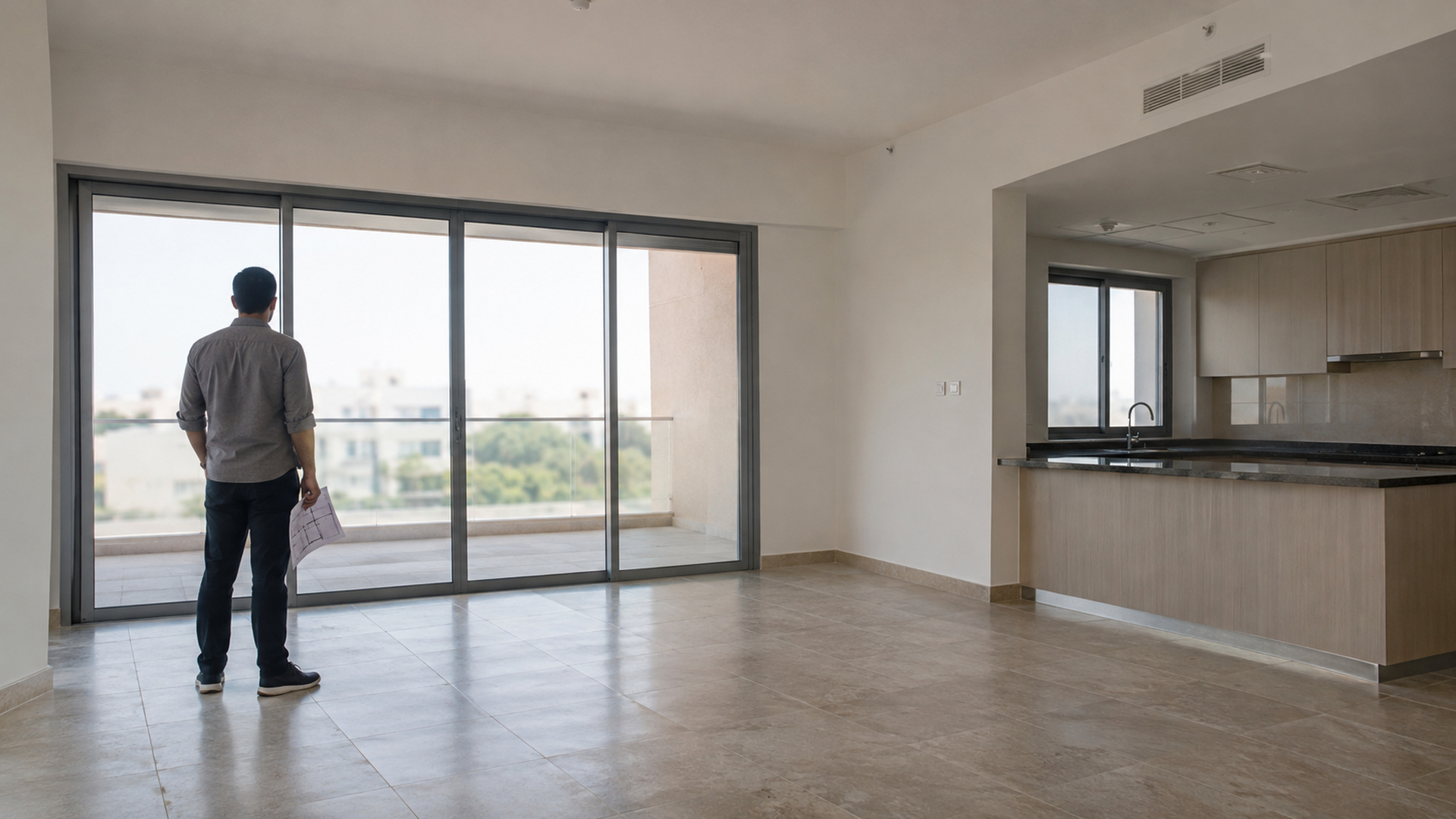
A property’s asking price is only one part of its financial picture. Investors should estimate the income it could generate, account for recurring expenses, and test whether the numbers remain attractive under less favorable conditions.
Start With Gross Rental Yield
Gross rental yield provides a first indication of how much annual rent a property generates relative to its purchase price.
Gross rental yield = (Annual rental income ÷ Purchase price) × 100
For example, consider a hypothetical apartment purchased for QAR 1,200,000 and rented for QAR 7,500 per month.
- Annual rental income: QAR 90,000
- Purchase price: QAR 1,200,000
- Gross rental yield: 7.5%
This is an illustrative calculation, not a current market benchmark or a forecast for any particular Qatar location.
Then Calculate Net Return
Gross yield does not account for service charges, maintenance, property management, insurance, vacancy periods, or other ownership expenses. These costs reduce the income an investor actually retains.
For a more useful assessment, estimate:
- Annual rent under a realistic rental scenario.
- Expected vacancy and tenant turnover.
- Building service charges and maintenance.
- Property management and leasing expenses, if applicable.
- Financing costs, if the purchase uses a mortgage.
- Acquisition, registration, and other transaction costs.
For a financed property, also assess the monthly repayment against realistic rental income. A property can show a positive gross yield while still producing negative cash flow after loan payments and operating expenses.
Capital appreciation should be treated separately. It is a possible investment outcome, not guaranteed income.
You can learn more about Qatar rental yields in our expat investor guide.
The Purchase Process: From Shortlisting to Registered Ownership
A practical investment process should follow this sequence:
- Establish your eligibility: Confirm whether you can purchase the property and whether the location allows freehold ownership or usufruct.
- Define the investment objective: Decide whether you are targeting rental income, long-term capital growth, personal use, commercial income, or a combination.
- Compare actual property options: Review asking prices, unit sizes, building conditions, rental comparables, service charges, and competing supply.
- Complete due diligence: Verify the seller’s ownership, title deed, property status, outstanding dues, mortgage position, and any approvals or restrictions that apply.
- Review the financial commitment: Include the purchase price, applicable registration fees, financing costs, furnishing, maintenance, and expected vacancy.
- Complete the transfer and registration: The Ministry of Justice’s Real Estate Registration Department handles property registration and ownership transfers. Make sure the transaction is properly registered, and the ownership documents reflect the completed transfer.
The Risks That Deserve More Attention
Property investment in Qatar still carries risks, even when the purchase is legally permitted.
- Rental competition: New supply and competing listings can put pressure on achievable rent.
- Building-level costs: Service charges, maintenance standards, and shared facilities can affect net income.
- Liquidity: A property may take time to sell, particularly if it is overpriced or has limited buyer demand.
- Financing exposure: Interest or profit rates, repayment obligations, and lender conditions can affect cash flow.
- Developer and handover risk: For off-plan purchases, review the developer, project approvals, payment schedule, delivery provisions, and contractual protections.
- Ownership restrictions: A property’s location and legal classification can affect the rights available to a foreign buyer.
The strongest investment is not necessarily the property with the highest advertised yield. It is the one whose purchase price, legal position, rental prospects, and ongoing costs remain reasonable under realistic assumptions.
How FGREALTY Can Help You Assess Qatar Property Opportunities
Choosing an investment property requires more than browsing listings. FGREALTY helps buyers compare opportunities across Qatar’s established and developing property markets, including The Pearl, Lusail, and West Bay.
FGREALTY agents can help you assess property types, compare locations, review available listings, and understand the practical considerations behind a purchase. Whether you are looking for a rental apartment, a long-term residential investment, or a commercial property, the objective is to identify options that align with your budget and investment strategy.
Explore FGREALTY’s verified property listings or speak with our Qatar team before making your next investment decision.
FAQs
Q: Is Qatar a good place for foreign property investors?
A: Qatar allows eligible non-Qataris to own or use property under defined rules, and official Ministry of Justice data confirms ongoing registered sales activity. Whether it is a good investment depends on the specific property, purchase price, rental demand, operating costs, and exit strategy.
Q: Can foreigners buy apartments in Doha?
A: Yes. Non-Qataris can purchase eligible properties in designated freehold areas and may qualify to own certain units in residential or commercial complexes under applicable conditions. Buyers should verify the exact property’s eligibility before signing.
Q: What is the minimum property investment for residency in Qatar?
A: The Ministry of Justice identifies a threshold of at least QAR 730,000 for real estate residency without a sponsor, subject to the applicable conditions. A property valued at least QAR 3.65 million may qualify for additional benefits, with a minimum annual stay of 90 days.
Q: Is rental income from Qatar property guaranteed?
A: No. Rental income depends on tenant demand, the property’s condition and location, achievable rent, vacancy periods, and competition from other units. Investors should use conservative rental estimates rather than relying on advertised returns.
Q: Can I buy property in Qatar while living abroad?
A: Non-resident buyers can explore eligible property purchases, but identity, authorization, payment, registration, and other documentation requirements must be met. Confirm the process with the relevant authority and transaction professionals before proceeding.
Q: Should I buy off-plan or ready property in Qatar?
A: Ready property allows buyers to inspect the completed unit and assess its current condition, building, and rental potential. Off-plan property may offer different payment structures and project choices, but it introduces construction, delivery, and market timing risks. The better option depends on your investment horizon and risk tolerance.